A British Army officer said that the military was surprised it did not see more advanced Russian weaponry, like some of its best tanks, on the battlefield in Ukraine.
“We probably would’ve expected to have seen more of their prestige equipment,” Maj. Maguire told Business Insider, speaking on the condition that only his rank and last name be used. He previously helped lead the UK-led training for Ukrainian soldiers and also produced reports for the UK and allies on tactics in Ukraine and the lessons Western forces could draw from them.
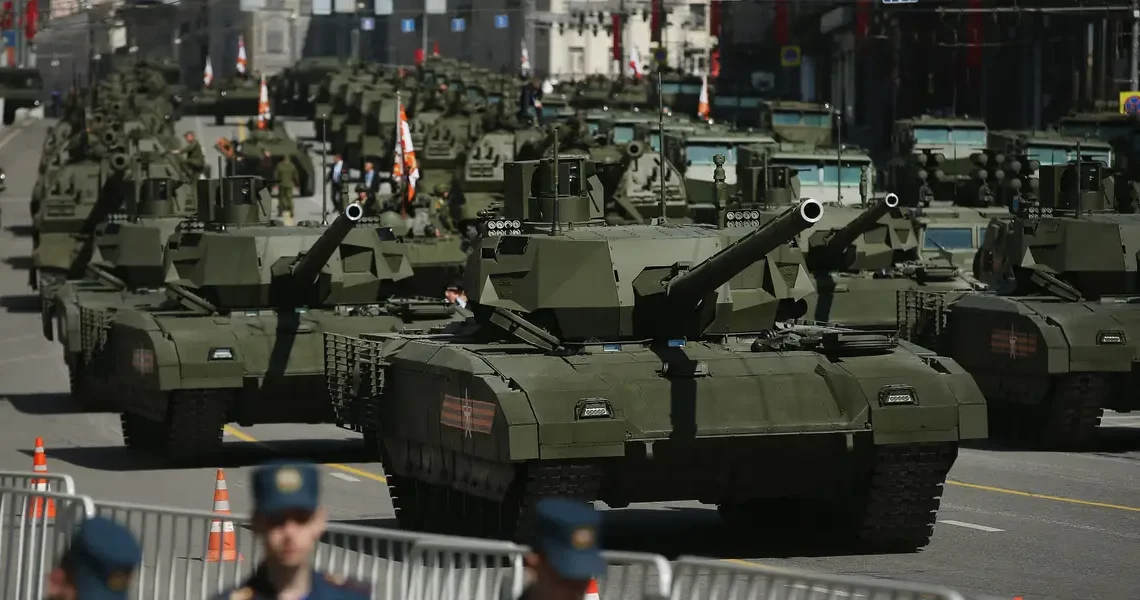
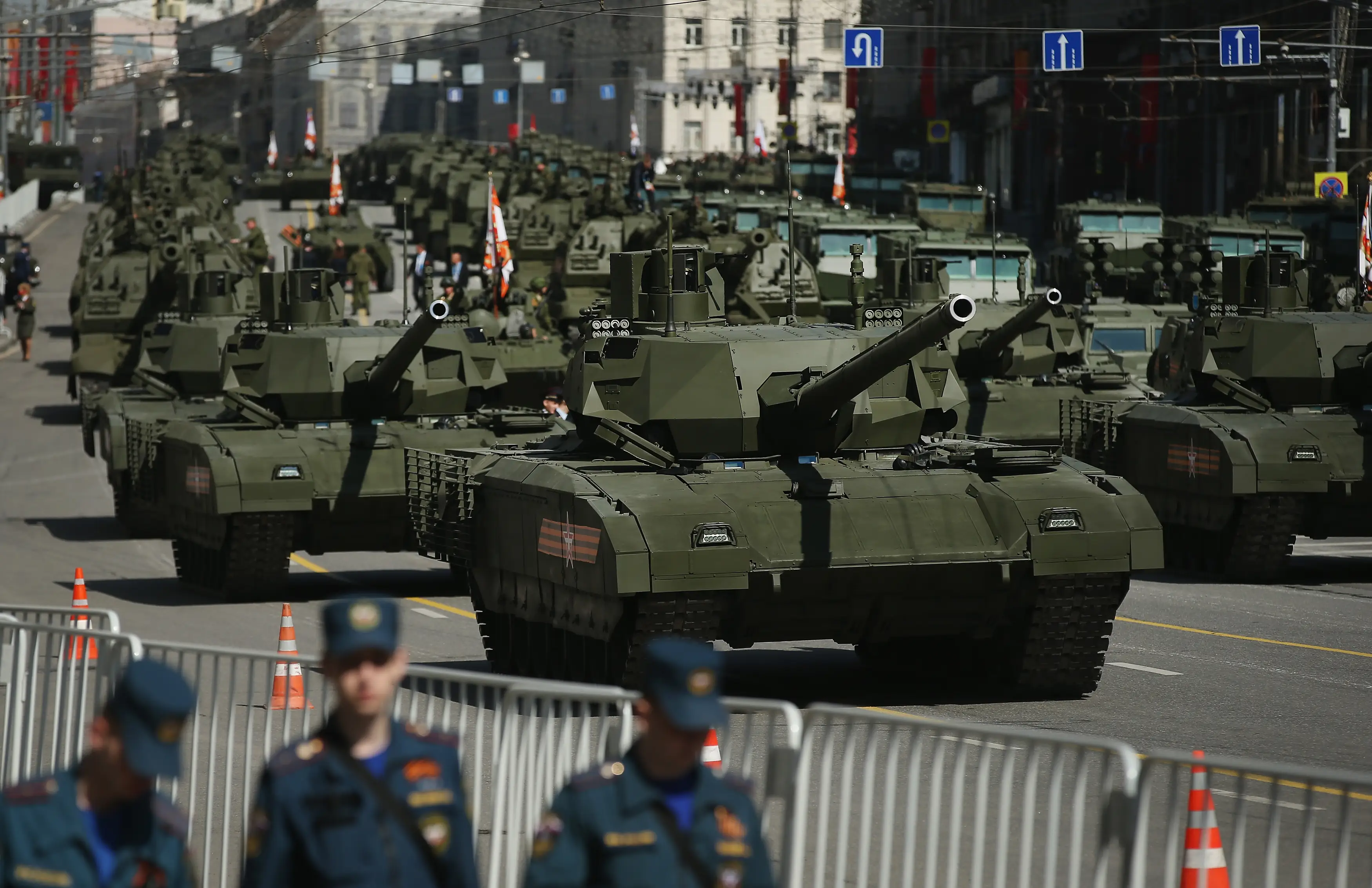
One example he gave of Russian equipment that hasn’t been seen is the T-14, considered Russia’s most advanced tank.
That kind of warfighting equipment is what the British military sort of sees as “the pacing threat equipment that we train against.”
T-14s are absent
The T-14, estimated to cost between $5 million and $9 million, is regarded as one of Russia’s best tanks. Western analysts had worried the tanks might rival NATO’s most advanced tanks. Russian state media has often touted the Armata as “cutting edge.”
Yet these weapons haven’t been seen in the war. Sergei Chemezov, the CEO of Rostec, which produces the Armata, previously said the tanks might not be well-suited for Ukraine.
“Armata is, in general, a little expensive,” he said. “In terms of functionality, it is, of course, much superior to existing tanks, but it is too expensive, so the army is unlikely to use it now.”
The UK expected this kind of prestige equipment, but instead these tanks “haven’t really been used, and I think that’s probably more surprising than the fact that they’ve used a lot of their stockpiles and stuff,” Maguire said.
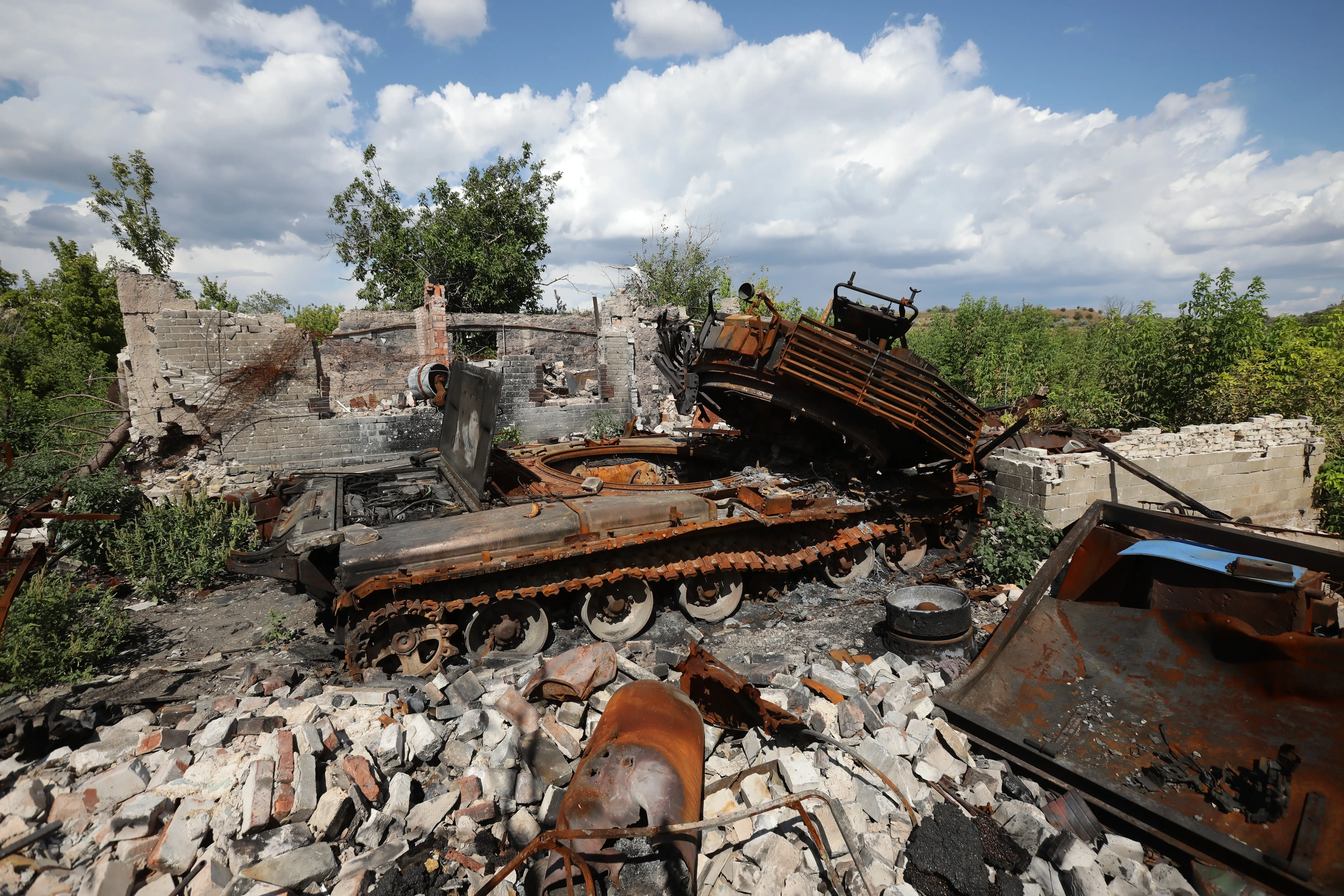
The Russians have relied heavily on tanks like T-90s and T-80s, as well as some decades-old equipment, some first deployed in the 1940s. It has been pulling old tanks out of storage rather than putting its most capable assets, at least on paper, out onto the battlefield.
Its stores are vast, with numerous tanks built for a Cold War fight, and building new tanks is a long process, even with Russia’s ramped-up defense industry output. Sophisticated machinery takes time to build, and the Western sanctions at crippling the industry don’t make it any easier.
Maguire did not speculate on why Russia is not using the T-14, but the UK Ministry of Defence has previously weighed in.
It said last year that the Armata’s absence was “highly likely due to the potential reputational damage of losing the ‘prestige’ vehicle in combat and the requirement to produce greater quantities of MBTs which can only be satisfied by other variants.”
An earlier ministry intelligence update that Russian troops in Ukraine were reluctant to accept the first tranche of T-14s that were offered to them “because the vehicles were in such poor condition.”
Russia’s confidence in the tank is unclear; however, it notably reduced its own order for the tanks, instead focusing on modernizing older types. Western analyses say the tank is impressive but also appears to be more vulnerable than Russia has said.
The war has not been kind to tanks and other armored vehicles. It is a fight in which neither side has achieved air superiority and cheap drones and mines threaten anything that moves. Considering the substantial losses, cost-effective mass has often proven more valuable than exquisite combat power.
Other high-level equipment is missing
Beyond the T-14, Russia also hasn’t sent in its fifth-generation fighters, its Su-57s. These aircraft are built for this kind of war, where air defenses make the skies extremely dangerous for older fourth-gen jets. Russia hasn’t made the progress it hoped for in Ukraine, yet these planes are still largely sitting out the fight.
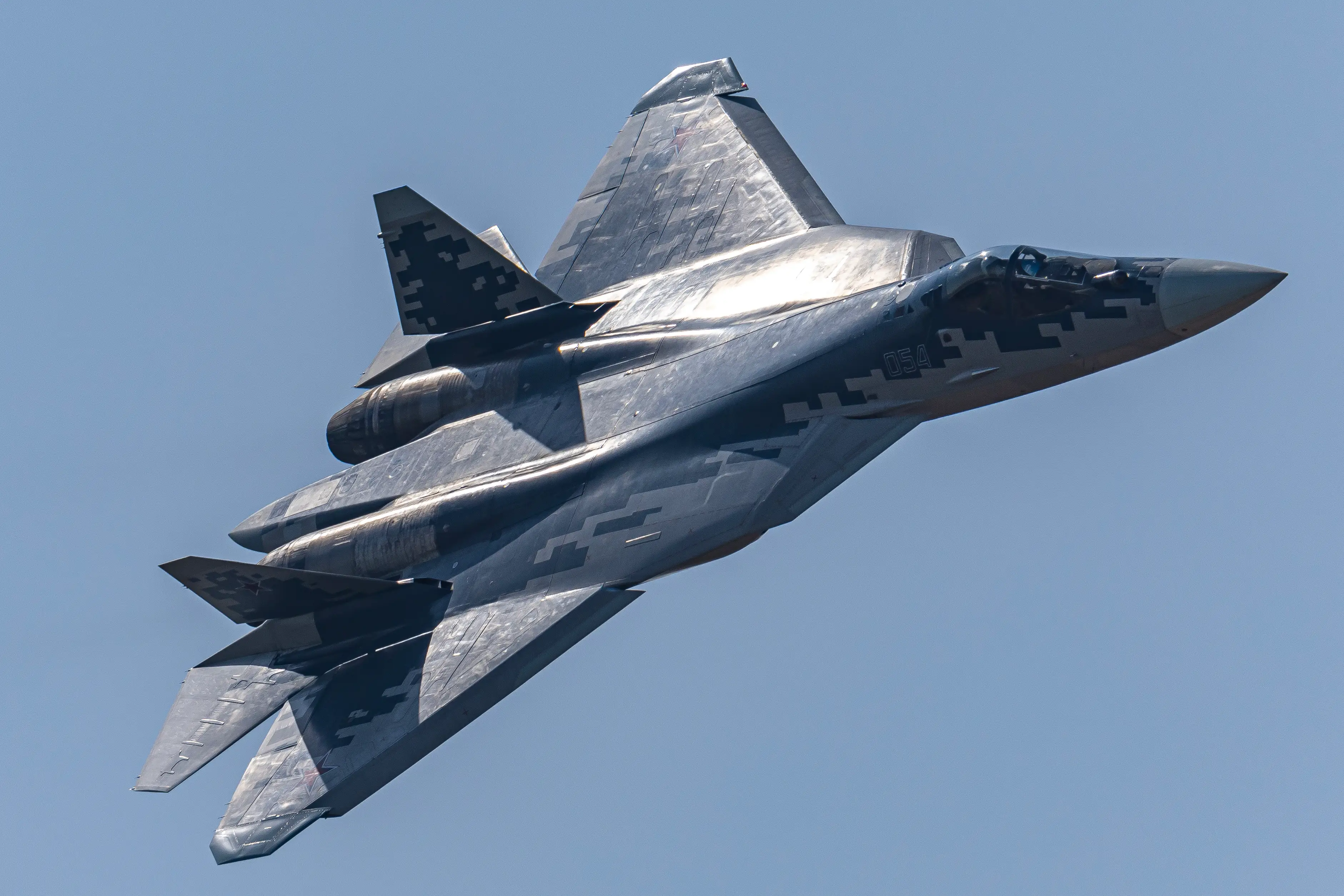
The UK defense ministry said in 2023 that the Su-57’s usage seemed limited to Russian territory and launching long-range air-to-surface or air-to-air missiles into Ukraine. It said Russia was “highly likely prioritising avoiding the reputational damage, reduced export prospects, and the compromise of sensitive technology which would come from any loss” of the jet over Ukraine.
Questions have been raised about the Su-57 stealth and combat capabilities, with some speculation that it may not be a true fifth-gen aircraft. A former UK air force officer turned analyst previously told Business Insider that Russia was likely saving them for a possible conflict with NATO.
The West is confident
When it comes to the high-level equipment Russia isn’t using, Maguire said, “I have no idea why they’re not using it, but I’m pretty sure whatever it is, we could defeat it with what we have.”
Russia has put some advanced systems into the war; however, the few weapons that have made an appearance haven’t “performed very well,” the major said.
He pointed to Ukraine’s destruction of Russia’s newly developed BMPT “Terminator”, a 23-foot-long armored vehicle carrying a host of weapons. Ukraine has also been able to shoot down the Kinzhal missiles Russia boasted were unstoppable with Patriots, and Russia’s S-400 air defense system, while still formidable, has somewhat underperformed.
Russia’s military in general has underperformed compared to Western expectations, including in its failure to quickly overpower Ukraine, which has left it bogged down in a grinding fight in the east. NATO officials also say the quality of its military has degraded throughout the war, though others have noted its learning too, making it a threat the West is watching closely.
Read the original article on Business Insider
The post The British military expected to see more of Russia’s ‘prestige equipment,’ like T-14 tanks, fighting in Ukraine, officer says appeared first on Business Insider.