How does a machine learn to read the world? The data used to train artificial intelligence models includes manual processing, an endeavor that uses an immense amount of tedious human labor. It tends to be outsourced to developing countries where the work force is cheaper to hire.
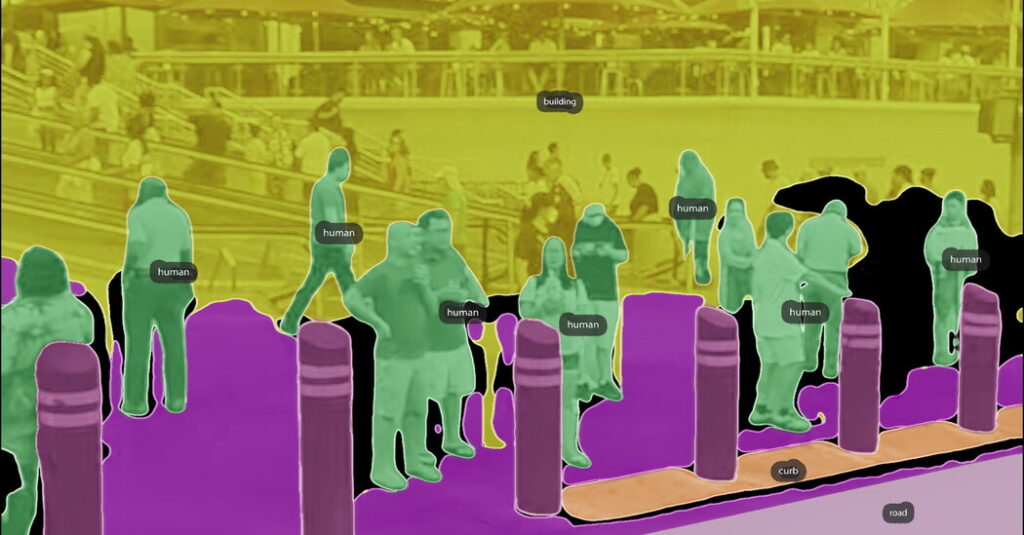
My short film above, “Their Eyes,” spotlights the invisible, human work behind A.I. In it I explore the daily lives of workers from Venezuela, Kenya and the Philippines who annotate images for self-driving cars. I wanted to emphasize the strategies they use both to make sense of their work and to organize to improve their working conditions.
I hope the film illuminates a part of the extractive reality that many of our current A.I. systems rely on.
Nicolas Gourault is an artist and filmmaker based in Paris.
The Times is committed to publishing a diversity of letters to the editor. We’d like to hear what you think about this or any of our articles. Here are some tips. And here’s our email: [email protected].
Op-Docs is a forum for short, opinionated documentaries by independent filmmakers. Learn more about Op-Docs and how to submit to the series.
Follow The New York Times Opinion section on Facebook, Instagram, TikTok, Bluesky, WhatsApp and Threads.
The post Self-Driving Cars Can’t See Without Their Eyes appeared first on New York Times.