You may not be able to prevent catching a cold or the flu, but you can greatly reduce your chances and decrease the likelihood that you’ll have a severe case if you do get sick. The well established advice meant to keep you healthy also protects others by reducing the spread of these diseases.
Get a Flu Shot
“The single best way to reduce the risk of seasonal flu and its potentially serious complications is to get vaccinated each year,” according to the CDC.
Many health professionals, including infectious disease specialist Steven Gordon, MD, and infectious disease clinical pharmacist Kaitlyn Rivard, PharmD, both at the Cleveland Clinic, say the best time to get vaccinated is in September or October, when new annual versions of the vaccines typically become available in North America. But don’t worry if you missed that window, because the second best time is “now.”
Elena Diskin and Lisa Sollot, two respiratory specialists at the Virginia Department of Health, and Christy Gray, the director of the Division of Immunization there, all agree that there’s still time to get the annual flu vaccine. “The season runs from October through the end of April,” they wrote in an email, adding “we typically see the most flu activity in January and February.” So yes, it’s still worthwhile to get a flu shot if you haven’t had one yet.
Flu Vaccines Cannot Give You the Flu
While it’s possible to feel unwell after getting a flu vaccine, you cannot get the flu from it. In public health information about flu vaccines last updated in 2024, the CDC confirms that, “Flu vaccines cannot cause flu illness. Flu vaccines given with a needle (i.e., flu shots) are made with either inactivated (killed) viruses, or with only a single protein from an influenza virus.” The nasal spray vaccine, which is for people between the ages of 2 and 49, and which you may be able to administer at home, “contains live viruses that are attenuated (weakened) so that they will not cause illness,” according to the CDC.
After receiving a vaccine, it takes up to two weeks for it to have its full effect, however. That means if you were exposed to the flu virus either right before or up to two weeks after receiving the vaccine, you could get sick, but it wouldn’t be due to the vaccine.
Flu Vaccines Are Highly Effective at Preventing Severe Illness
The flu vaccine changes every year based on which strains of the virus experts think will be prevalent, and while it’s not foolproof, it is highly effective at preventing severe illness. In the 2024-2025 season, for example, flu vaccines were 56 percent effective, which is higher than it had been in almost 15 years.
“Vaccine effectiveness is measured by comparing the frequency of health outcomes (e.g., symptomatic illness, hospitalization, death) in vaccinated and unvaccinated people in the real world,” say Diskin, Solot, and Gray at the Virginia Department of Health. Effectiveness is different from efficacy, which measures outcomes in controlled trials.
“In plain language, [vaccine effectiveness] describes how much less likely a vaccinated person is to get sick compared to an unvaccinated person, based on real-world data,” says Sai Paritala, an assistant professor at the University of Nebraska Medical Center College of Public Health and former epidemiologist.
“For flu, the CDC typically estimates vaccine effectiveness by comparing how many people who seek medical care for flu-like illness test positive for influenza among those who were vaccinated versus those who were not. If vaccine effectiveness is reported as 50 percent, that means vaccinated people had about half the risk of needing medical care for flu compared to unvaccinated people during that season,” Paritala explains.
Wash Your Hands and Avoid Sick People
Beyond getting vaccinated against the flu, you can take a number of simple precautions to reduce your chances of catching the flu or other illnesses, including Covid, RSV, and the common cold.
One of the easiest is to wash your hands regularly with soap and water. Additionally, avoid touching your face.
Another simple thing you can do is to stay away from sick people. Here, everyone needs to assess their risks and decide what kind of tradeoffs are worthwhile, since avoiding sick people 100 percent of the time is next to impossible. However, you can still take action. Encourage colleagues to stay home when they’re sick and be a good example by doing the same. Consider wearing a face mask in public spaces, or carry one in a pocket or bag that you can slip on if you hear people coughing. If you invite people to a social event, maybe add a gentle note that you won’t be offended if they miss out because they or their kids are sick.
Stay Home, Cough Into Your Elbow, and Clean
Staying home when you’re sick isn’t just about setting an example for others, of course. It helps slow the spread of viruses. When there’s less virus being spread around your geographic area, everyone in your community is less likely to get sick as well.
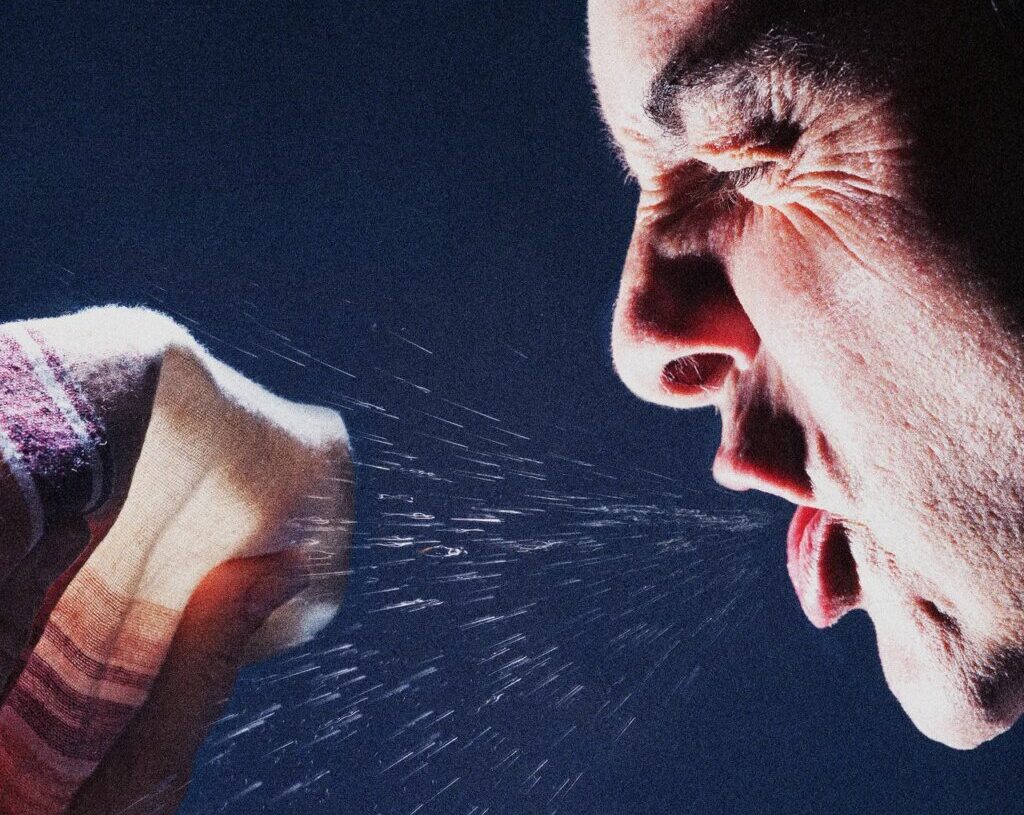
Cough and sneeze into the crook of your elbow instead of your hand, since your inner elbow doesn’t transmit germs to other surfaces as easily as your hands do.
As much as elbow-directed coughs and sneezes can reduce the spread of germs, it still helps to clean high-touch surfaces regularly if someone in your house is sick. Use a cleaner that’s right for each surface. Remember to wipe down not only doorknobs and light switches, but anything that gets touched a lot, such as phones, keyboards, remote controls, and the touchpoints in your car.
Should You Use an Air Purifier?
As of now, there are no clear findings in the scientific community that air purifiers reduce the spread of respiratory infections in real world conditions. Home air purifiers have other benefits, however, says Paritala. “They improve indoor air quality and can remove allergens, smoke, and other irritants. From a theoretical standpoint, reducing airborne particles could lower exposure risk, especially in poorly ventilated spaces or when someone in the household is ill.”
So think of air purifiers as a supplement to, rather than a substitute for proven interventions, Paritala says, “like vaccination, staying home when sick, masking when appropriate, and improving ventilation.”
You cannot reliably prevent the flu, and no one preventative measure is perfect. That’s why you’ll get the most benefit from layering all these risk-mitigation efforts together.
The post How to Make It Through Cold and Flu Season appeared first on Wired.