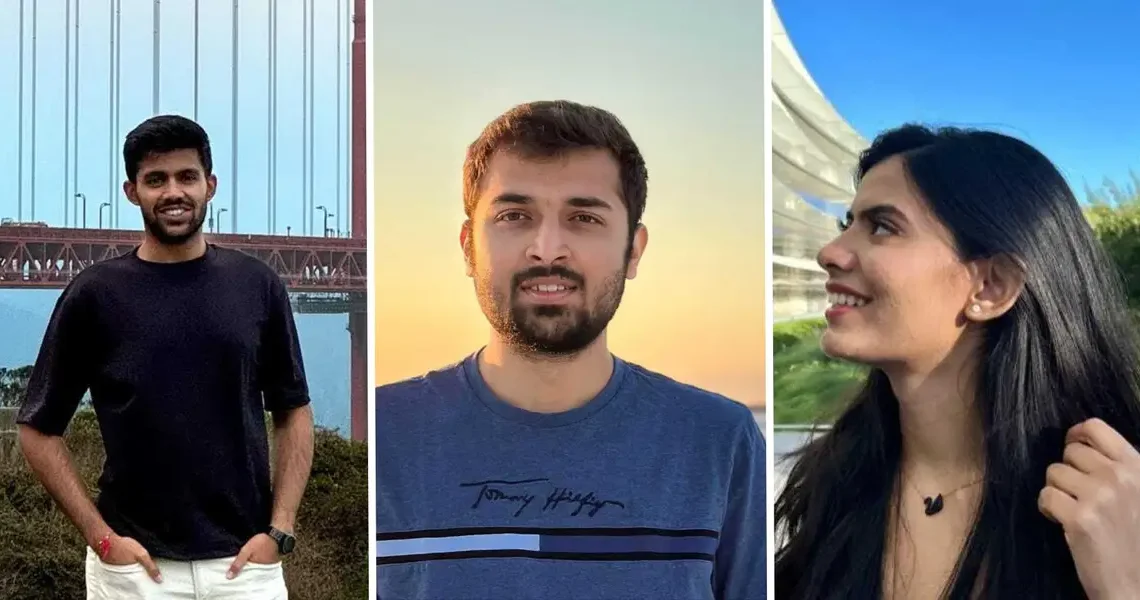
AI has become one of the most popular fields in tech. The people working in it didn’t all follow the same path to get there, but for some, college played a crucial role in their success.
For one AI startup engineer, returning to school provided an opportunity to explore what an AI career would be like before committing to it. For another, moving to the US for a graduate program opened doors to being closer to the center of the action in Big Tech. In another case, relationships formed during college — with peers, professors, and mentors — continued to shape his career even long after graduation.
Below are three people who pivoted into AI roles and shared with Business Insider how they leveraged their college experience to break into the field. Quotes have been edited for length and clarity.
I left quant trading and went back to school to decide if I want to follow the AI boom
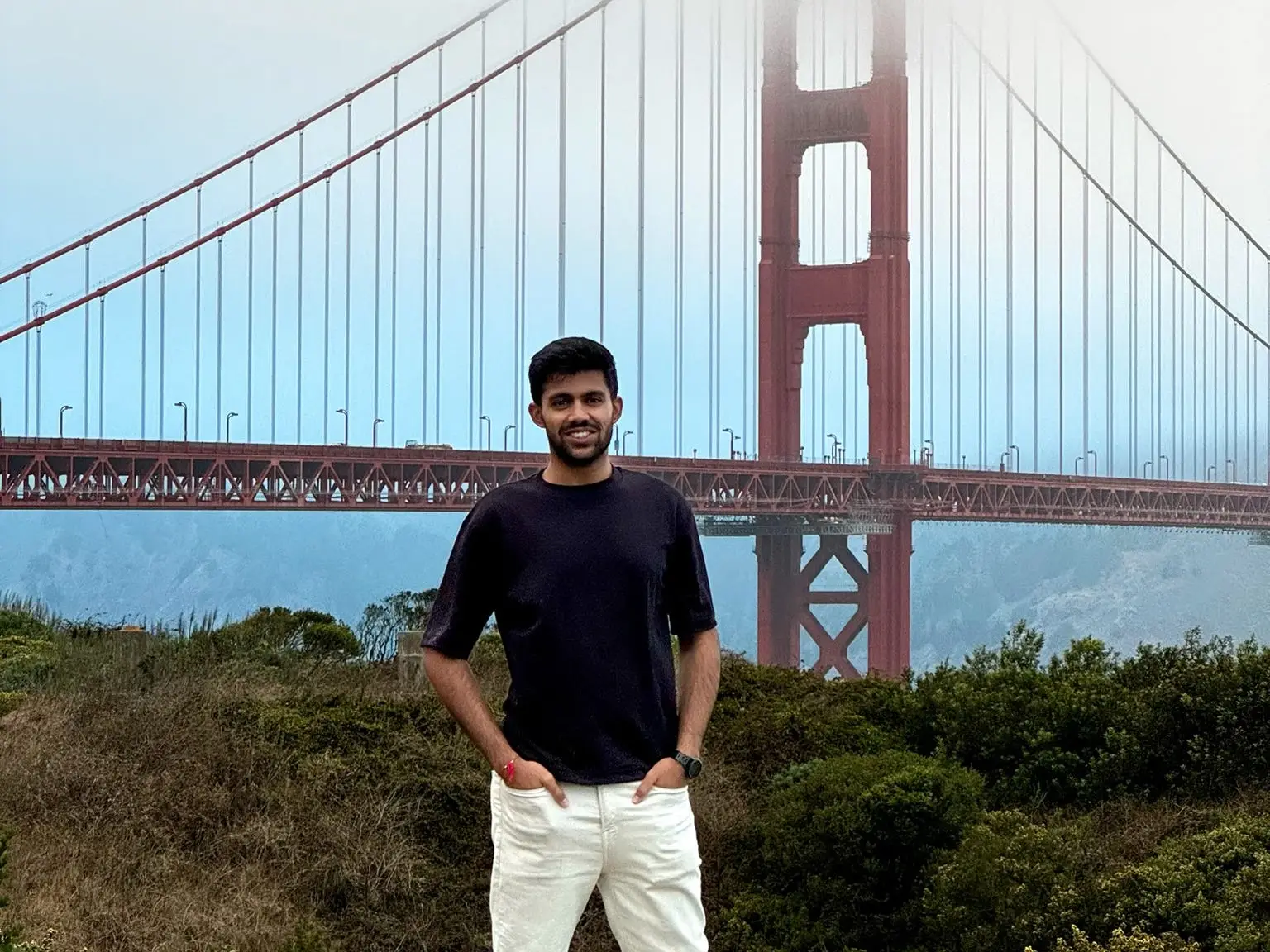
Varun Goyal is a 25-year-old AI startup engineer, based in California.
In my final year of undergraduate studies, I stood at a crossroads between quantitative trading and pursuing a career in technology. Blinded by the initial high salary and prestige, I joined a firm in India as a quantitative strategist for the summer.
I enjoyed it, but I wanted to push boundaries in my career and was increasingly convinced that I should return to school to explore more options. I decided to move from India to the US for my master’s degree in computer science.
Returning to school gave me the opportunity to pursue research and engage with senior industry professionals in both fields. This was the biggest benefit for me when I was deciding what I wanted my daily life and career to look like in 10 years.
In graduate school, the AI boom was also happening. It kept me up at night in the best way possible. I ultimately applied to both industries and had a few quant interviews, but I decided to join an AI startup in 2024 after graduating. I took a lower base salary than what I would have earned in quant, but I felt AI gave me more options down the line.
Without going back for my master’s, I wouldn’t have had this opportunity, and I love working in AI.
I leaned on college mentors and peers to build my AI career at Google
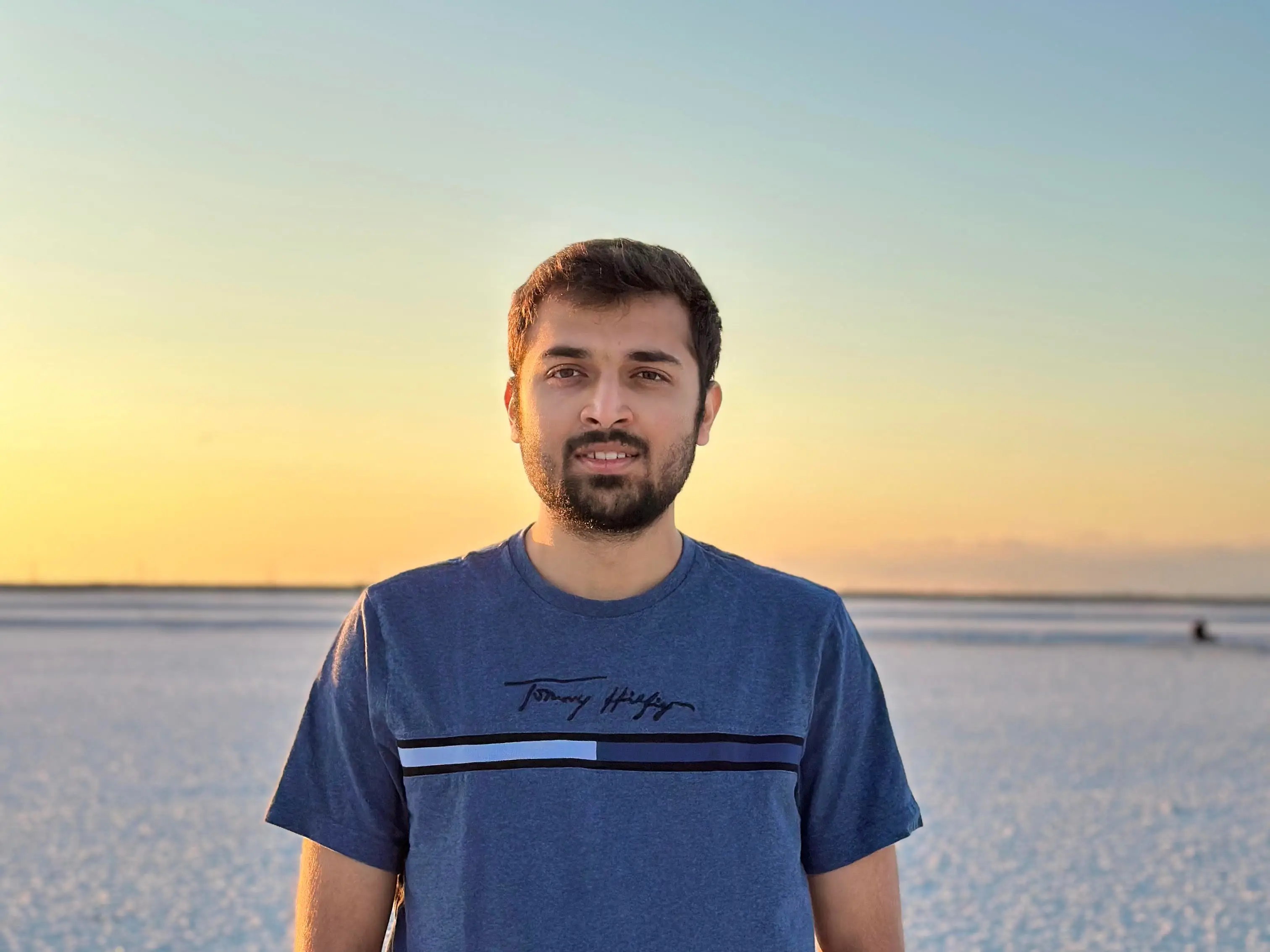
Deep Shah is a 30-year-old software engineer at Google, based in Mountain View, CA.
Growing up, I wanted to develop my own computer games, which was the primary reason I chose to pursue a career in computer engineering. I also learned through conversations with peers older than me that the field involved a lot of automating machines to work on my behalf, which excited me. This was my first experience with mentorship.
When I was pursuing my bachelor’s degree, I got involved with professors who believed in and supported me. Having someone expose me to machine learning or AI problems they’re excited about, no matter how small or large, taught me skills that are rarely learned just by doing the core work.
Each mentor will teach you different things, and the person doesn’t necessarily need to be a professor. They could be an alum or someone who’s more senior at your college. Working with a mentor is also a valuable addition to your résumé, demonstrating that you already possess the skills and experience necessary to succeed in a professional environment.
Later in my career, leaning on peers and mentors provided me with opportunities to further advance my career at Google. I joined Google Bangalore in 2018 after speaking with a friend who worked there. He helped me decide the role I was applying for could be the right fit for me.
In 2021, I was still at Google Bangalore and wanted to contribute to improving the user experience on Google search. The team working on that project was based in Mountain View, CA, and my skill set was a very good match, so I decided to relocate to the US to join that team.
Building my networking skills with peers and mentors throughout my education directly contributed to my later success at Google.
I used my master’s program and internship to land a full-time AI role and move to the US

Kriti Goyal is a 28-year-old AI machine learning engineer at a Big Tech company, based in Seattle.
I always thought I would study medicine until my cousin showed me a Code.org video with Mark Zuckerberg, Bill Gates, and other tech rockstars, about how coding is the quickest way to convert an idea into a product. That changed my life.
I’m now part of the Foundation Model main framework team for a major Big Tech company in the US. This year, I completed five years with them, during which time I’ve held four different roles. I used my master’s to move to the US and further my career.
I originally interned at my current company in India. I enjoyed working in India, but the core business decisions and strategizing for the next projects were made at the company headquarters here in the US.
I had two ways to go about moving to the US. One was to try to move within my company or pursue a master’s degree. Two reasons I chose the master’s path are the knowledge and extra specialty you can develop through projects, as well as the connections you make. The biggest thing I took away from my program was the people I met.
When I arrived in the US, I knew a few people from my former company from my time in India, so I reached out to them directly instead of applying through the job board. I got the interview for a machine learning engineering internship quite easily because the company was already familiar with my work.
Learning and networking can be done in many places; it doesn’t have to be university. In a city like San Francisco or New York, you could hustle and get the networking benefits of a university and a structured system.
I think it’s now possible to skip that education stage. But I have seen a bias in hiring for specific teams, and it’s not unbreakable yet. I was changing countries and cultures, and university was a great way to get through the immigration system and understand the culture. I needed it, and I feel fortunate to be where I am in my career because I made the decision to pursue my master’s degree.
Do you have a story to share about breaking into the AI field? Contact this editor, Agnes Applegate, at [email protected].
Read the original article on Business Insider
The post 3 people who pivoted into AI share how they used their college experience to break into the field appeared first on Business Insider.