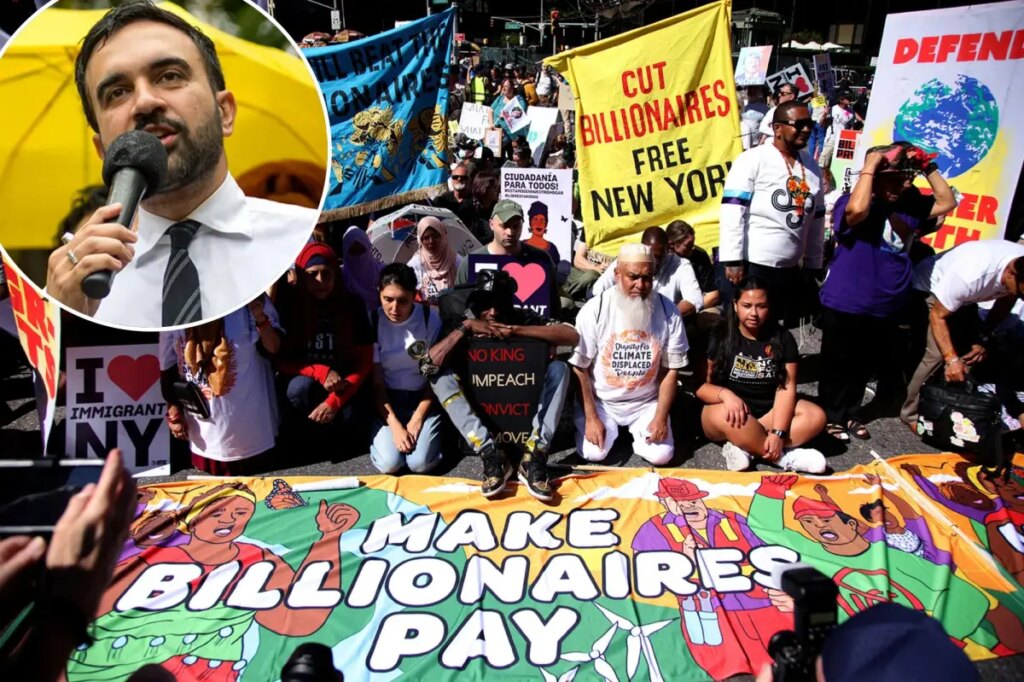
With a triumphant Zohran Mamdani taking over as New York City mayor Jan. 1, many of my patients tell me they finally feel “seen” in their resentment toward the wealthy.
The anger feels righteous and moral.
But it’s rarely about tax policy, wages or housing. It’s merely emotional.
It’s about envy, inadequacy and the relief that comes from blaming someone else rather than looking inward.
Mamdani declared during the campaign, “I don’t think that we should have billionaires,” and he’s chosen Sen. Bernie Sanders, who regularly rages about them, to administer the public oath of office at City Hall.
In my therapy practice, I hear what plays out in the streets.
Resentment of the wealthy has become emotional currency. It gives temporary relief from feelings people don’t want to confront.
Hating billionaires feels noble, but psychologically it functions as a shortcut to moral superiority. It lets people feel right without having to reflect or change.
What’s striking is how personal this resentment often is. Patients talk about how unfair life feels, how stuck they feel, how others seem to be moving ahead while they are standing still. Instead of grappling with disappointment, doubt or stalled ambition, anger offers a cleaner outlet.
It converts private frustration into public virtue. This is projection.
The wealthy become symbols. They represent ambition, independence and agency — qualities that can feel threatening to those who doubt their own.
By condemning the rich, people avoid confronting where their own life feels lacking.
The more powerless someone feels, the more powerful the villain must become.
The billionaire becomes the object onto which frustration, shame and unmet expectations are displaced.
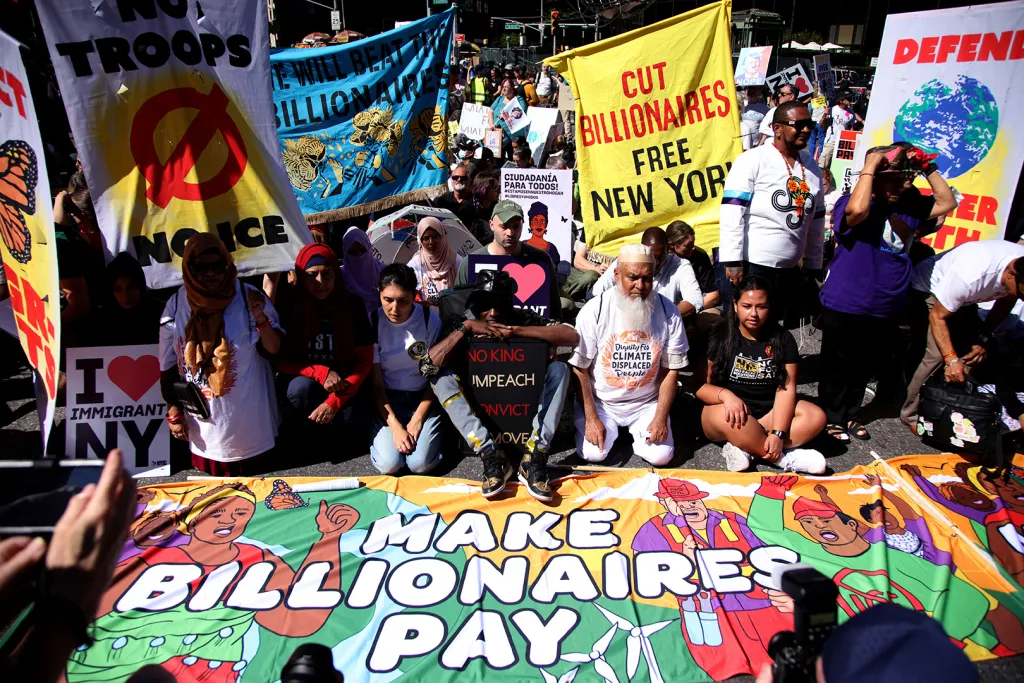
Sure, inequality is real. But this new wave of billionaire hatred is not primarily about fairness.
It is psychological theater: Outrage offers a villain and replaces self-examination with blame.
It is easier to condemn someone else’s success than to face the discomfort of one’s own disappointments.
Moral certainty becomes a defense against self-doubt.
Mamdani and other emotional politicians understand this instinct well.
They don’t ask voters what they want to build. They ask who they want to punish.
They speak to pain rather than possibility.
They tell people their struggles are not their responsibility and someone else is always to blame. It sounds compassionate.
But it removes agency. In therapy, indulging that instinct keeps people stuck. In politics, it keeps cities stagnant.
Social media accelerates the cycle. Outrage over private jets, luxury apartments or vacation homes becomes a daily ritual.
It looks principled. But usually it is simply self-soothing.
It gives people a sense of participation without requiring effort, discipline or risk. Clicking, posting and condemning feel like action, but they demand nothing in return.

When envy is disguised as justice, success becomes shameful and ambition becomes suspect.
Self-made individuals are treated not as examples to learn from and admire but as offenders to denounce.
Achievement itself becomes a moral liability.
The emotional message is subtle but corrosive: If I cannot rise, no one should.
Therapy culture has helped normalize this mindset.
Emotional validation has replaced accountability. Language once meant to help people process pain now excuses avoidance.
Words like “toxic” and “privileged” have migrated from therapy rooms into political rhetoric.
When emotion becomes authority, disagreement becomes harm. And when harm becomes identity, anger becomes purpose.
There is also a biological element.
Moral outrage activates the brain’s reward centers. Anger releases dopamine, and it feels good in the moment.
Politicians who promise enemies instead of solutions are offering emotional stimulation, not governance. Outrage becomes the product, and the audience becomes dependent on it.
None of this excuses greed or corruption.
But reflexive hatred of wealthy people reveals more about the emotional state of the hater than the target.
The poorer we feel in spirit, the more desperately we search for someone rich to despise.
A healthier move is to shift from comparison to curiosity.
Instead of “Why do they have what I don’t?” ask “What can I learn from how they built it?” Admiration is growth, and envy is restriction.
Good therapy helps people reclaim power. Good politics should do the same.
New York risks turning into one long group therapy session where the goal is not progress but validation.
The rhetoric of resentment comforts in the short term but leaves people emotionally dependent and politically stalled.
Hating billionaires may feel satisfying. But like bad therapy, it offers no lasting relief.
Anger can spark change. But when it becomes identity, it traps us.
Hatred can win elections but will never lead to true prosperity and mental wellness.
Jonathan Alpert is a psychotherapist in New York City and Washington, DC, and author of the forthcoming book “Therapy Nation.”
X: @JonathanAlpert
The post Hating the rich may feel good — and win elections — but it’s self-destructive appeared first on New York Post.