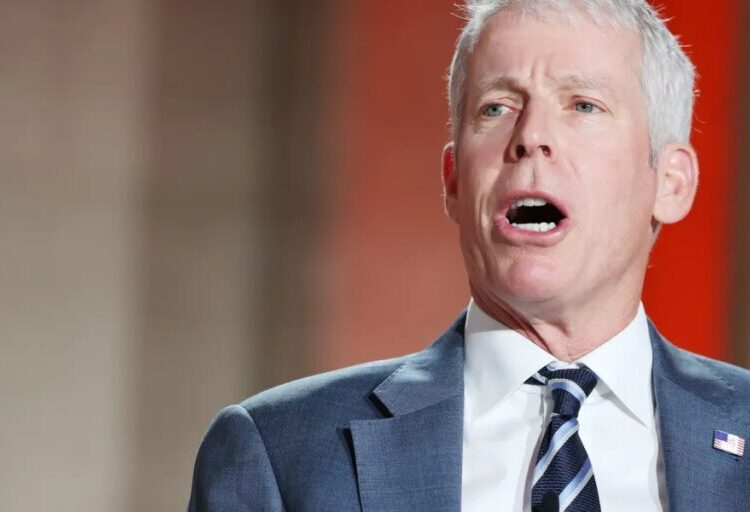
Tricolor Holdings founder Daniel Chu collected nearly $30 million in compensation in the year leading up to the subprime auto lender’s collapse amid alleged fraud, according to a lawsuit filed by the trustee overseeing the company’s liquidation.
Chu “defrauded Tricolor by using corporate funds to pay for lavish personal expenses and by forcing the company into paying him tens of millions of dollars in bonuses (on top of his executive salary),” trustee Anne Burns said in a court filing last week. That compensation was “premised on his ability to deliver exceptional financial results — results that were the product of the fraud.”
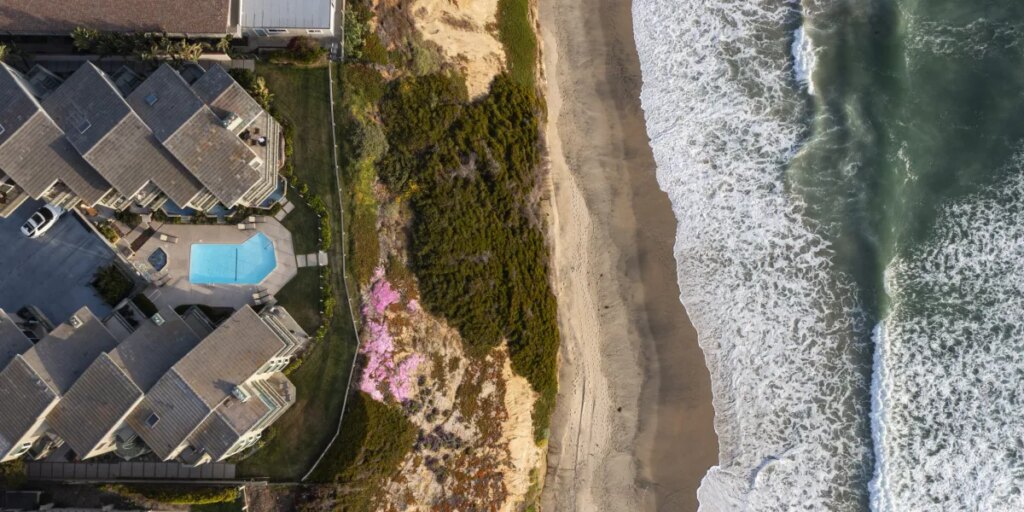
The payments helped finance what the trustee described as an extravagant lifestyle, including luxury homes in Dallas, Beverly Hills and Miami worth about $38 million combined, as well as private-jet travel and European vacations.
“Many of the allegations that have been made against Mr. Chu in recent days are inaccurate and seriously misguided, as will be clear when the real facts come out,” Matthew Schwartz, an attorney for Chu, said in a statement. “We look forward to a full and fair hearing in the courtroom.”
US prosecutors charged Chu and the company’s former chief operating officer last week with running Tricolor through “systemic fraud.” Two other former executives have pleaded guilty to fraud charges.
Read More: Tricolor’s Excel Guy Failed to Fix Numbers in Alleged Fraud
Chu charged millions of dollars to his business American Express card over the years, the trustee alleged, including for skin revitalization treatment, vitamin infusions and dental work. He also frequented high-end restaurants including Nobu in New York and Carbone in Dallas, according to the filing.
He continued using corporate funds to pay for personal expenses even after it was clear to him the company was in financial distress, the trustee alleged. For instance, as late as August 2025 Chu charged $18,000 to his American Express card to pay for membership to Core Club, a social club in New York, according to the suit.
In emails attached to the suit, Chu told an auditor and board members in 2023 that he was experiencing “over the top” stress, when questions arose over his personal spending. “So with respect to expenses for my family to accompany me on travel, household expenses like a nanny, or IV treatments, this is some of my context,” Chu wrote in one email.
“I do feel like I’ve exercised good judgment on these expenses,” Chu said in another email cited in the suit.
Compensation Fight
Chu pitched the board on compensation increases for years, citing the company’s revenue and sales growth since 2018, the trustee alleged.
In 2022, a consultancy retained by Tricolor’s board found Chu’s compensation to be in line with the average for private US companies. But Chu wanted to be paid on par with the 10th percentile of public companies, even though Tricolor wasn’t one.
The board pushed back, according to emails cited in the lawsuit. Chu called the compensation committee process “grossly mismanaged” and referred to one board member as a “top imbecile” for challenging the pay package, filings show.
Chu used his role as the sole manager of Tricolor’s majority shareholder to remove three board members that opposed his compensation requests, the trustee alleged.
Days after the board approved his compensation in February, Chu agreed to buy a ski chalet in Aspen, Colorado, for $25 million, according to the lawsuit. The deal collapsed after Tricolor filed to liquidate, with Chu forfeiting a $1.75 million deposit.
(Updates with detail on Core Club in seventh paragraph.)
The post Tricolor paid CEO $30 million in year before alleged fraud appeared first on Fortune.