It can be difficult to routinely give Arctic whales a medical check-up to see how they’re doing. They live underwater, for one.
They migrate across entire oceans. It’s hard to keep pace. But scientists may have found a clever workaround: using drones to analyze their breath. And they started doing it just in time, because they may have detected a dangerous oceanic whale virus that could cause a mass worldwide die-off.
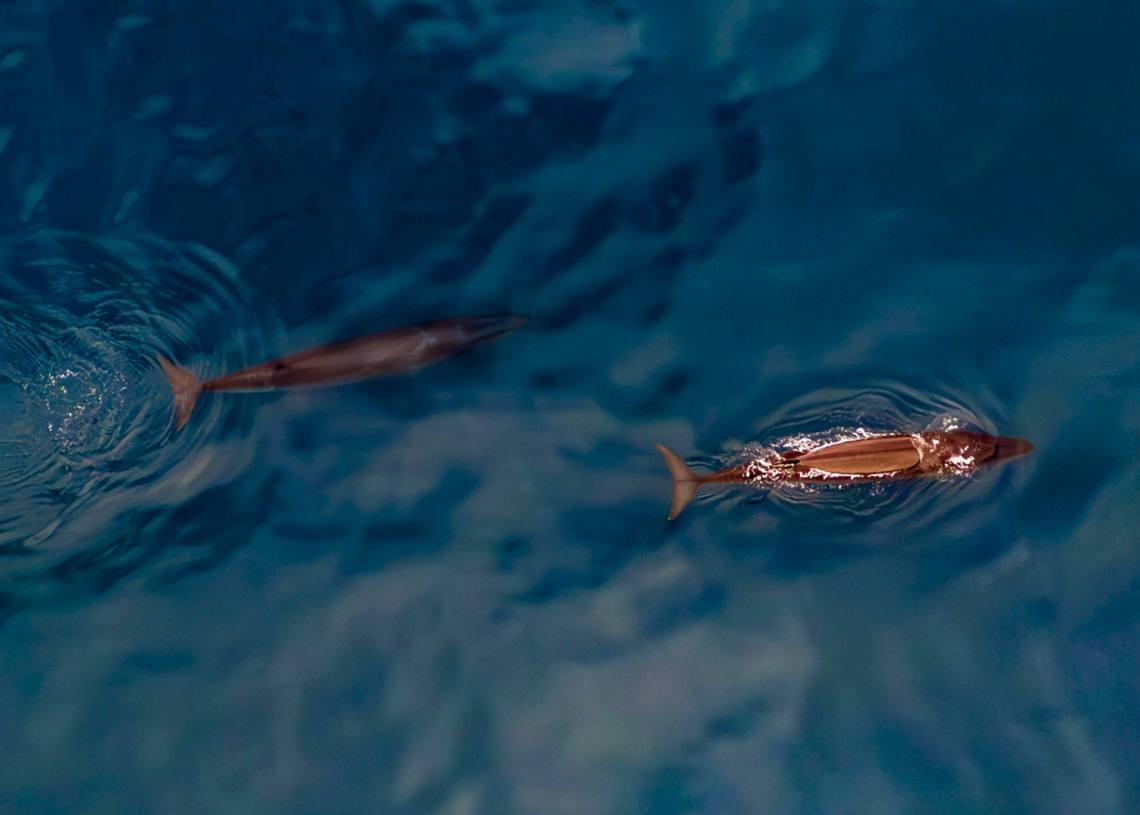
In a new study published in BMC Veterinary Research and detailed in a press release on Eureka Alert, researchers used drones to collect samples from the mist whales exhale when they surface. That burst contains microscopic droplets from the animal’s respiratory system, giving researchers access to cells, bacteria, and any viruses that might be lingering around in there.
By hovering drones over surfacing whales, scientists could gather samples without touching them or stressing them. However, what they found is a bit distressing.
Drones Help Scientists Detect a Dangerous Virus in Arctic Whales
Between 2016 and 2025, the team collected breath samples from humpback, fin, and sperm whales across the Northeast Atlantic. This included waters off Norway, Iceland, and Cape Verde. They compared those samples with skin biopsies and tissue from stranded whales, then screened everything using techniques similar to those used in human disease science.
They found the first confirmed evidence that cetacean morbillivirus is circulating in whale populations north of the Arctic Circle, a deadly virus previously linked to mass die-offs of whales, dolphins, and porpoises worldwide. In this study, morbillivirus genetic material showed up in humpback whales in northern Norway, a visibly ill sperm whale, and a stranded pilot whale.
Researchers also detected herpesviruses in humpback whales across several regions. Though thankfully, they found no signs of avian influenza or Brucella bacteria. Still, the presence of morbillivirus in high latitudes is deeply concerning, especially since whales tend to cluster to feed. Close contact, along with interactions with seabirds, fishing boats, and shipping traffic, increases the likelihood of disease spread.
All of this is happening as Arctic waters warm, prey is shifting around due to those warming waters, and human activity in the ocean is increasing, thanks to busy shipping routes and underwater mineral mining.
Now you add disease on top of that, and you’ve got a recipe for potential worldwide ecological disaster.
The post Scientists Just Found a Dangerous Virus in Arctic Whales Using Drones appeared first on VICE.