If you own a robot vacuum cleaner or are buying one for Christmas, it’s probably Chinese.
The Massachusetts company iRobot, which makes the pioneering Roomba vacuums, filed for bankruptcy protection this week after years of struggling sales. If a judge approves, iRobot will be taken over by a Chinese company, joining other popular Chinese robot vacuum brands like Roborock, Ecovacs, Eufy and Dreame.
(The company said that iRobot “is and always will be an American brand.”)
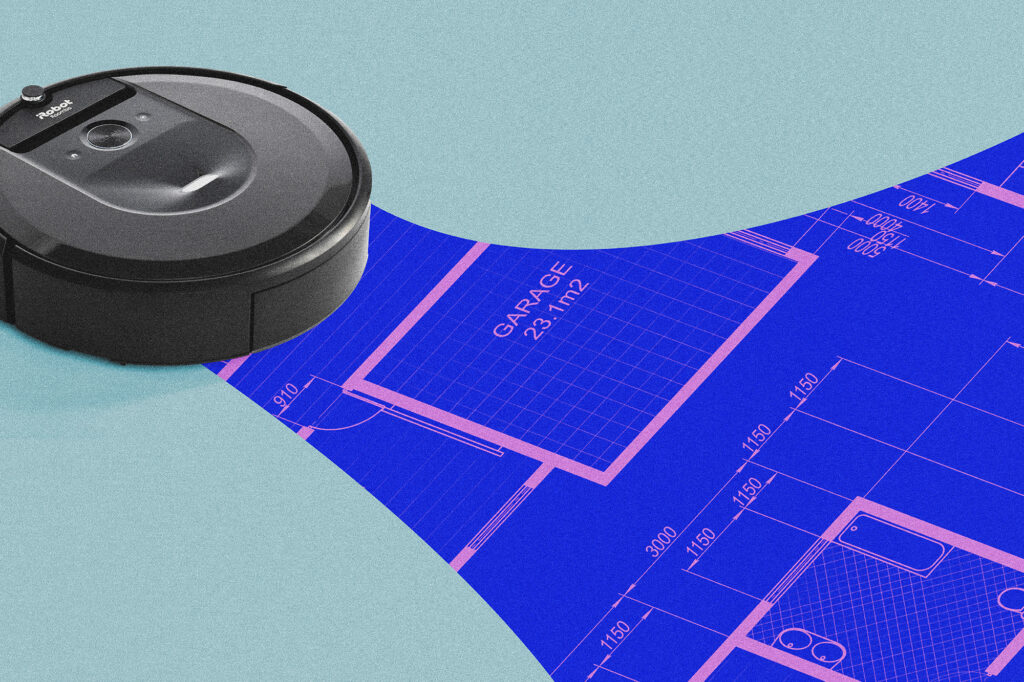
To navigate around your furniture, many robot vacuums are effectively mini driverless cars. They may capture data such as a map of your home’s floor plan, location and images of people and pets and apps connected to your WiFi network.
If you’re inviting a robot vacuum into your home, you want to have confidence in the company behind it. So should you trust iRobot now?
There’s no right answer, but I’ll suggest a couple of steps if you’re concerned about your Roomba.
The company’s ownership change also highlights a bigger problem: America’s lax digital privacy and security standards make it hard to know which home devices to trust, whether they’re Chinese or American.
What could go wrong with robot vacuums
Images of a woman sitting on the toilet, captured by her Roomba, were passed around by contractors on Facebook several years ago. Hackers have taken over other robot vacuums to spout racial slurs at homeowners.
Despite the contractor privacy scandal, iRobot in the past has won high marks for privacy and security from Consumer Reports and the Mozilla Foundation.
The iRobot privacy policy says that data and images captured by Roombas are generally not transmitted to the company unless you explicitly agree to do so. The company says it saves your identifying details such as name and address separate from the data gathered by your Roomba. That’s good.
The takeover by a Chinese company isn’t necessary nefarious. But it’s hard to know whether iRobot’s likely new owner, Shenzhen Picea Robotics, might cut corners on data security or privacy.
A privacy policy is “a pinkie promise from these companies that they’re going to do right by you,” said Stacey Higginbotham, a policy fellow at Consumer Reports on the technology advocacy team. (Read the One tiny win section below for imperfect Roomba privacy steps you can take.)
An iRobot spokeswoman said the company doesn’t expect any changes to how it “collects, maintains, stores or uses personal information.” Picea declined to comment.
Two former iRobot executives said this week that iRobot’s bankruptcy and takeover could have been avoided if it had completed a sale to Amazon proposed in 2022. Amazon walked away from that acquisition nearly two years ago after regulators opposed it. (Amazon founder Jeff Bezos owns The Washington Post.)
The reality is that iRobot lost ground for years to Chinese manufacturers that made well-reviewed robot vacuums at cheap prices.
It raises a question for politicians and Americans: What are the costs and benefits of Chinese companies’ dominance in multiple technology fields — including sophisticated batteries, solar panels, drones, electric vehicles and many home devices that connect to the internet?
U.S. government inaction
I reject the belief that if you have a data-harvesting robot vacuum, you’ve given up your privacy and security. Hogwash.
You should be able to have a useful robot vacuum and feel confident that it’s safe from hackers and that your data will only be used in ways you expect and agree to. We just need our government to make difference choices.
Because there’s no broad U.S. digital privacy law, companies of any nationality can pretty much do whatever they want with your data. You have little power.
There are industry-standard safety ratings and government regulation to help you buy a safe car. But there are no U.S. standards for digital security of consumer electronics. It’s hard to make an informed choice to buy safe digital products. (There is a pending effort to create a voluntary U.S. device security standard.)
Because U.S. officials are incoherent about which Chinese technology may be too unsafe, you can’t distinguish real risks of Chinese technology from fearmongering.
Paradoxically, the U.S. government’s abdication on these issues helps China and hurts you.
In the absence of transparent standards and regulation, you’re more likely to pick a robot vacuum with good features at the cheapest price. And odds are, that will be Chinese, said Glenn Gerstell, a former top lawyer at the National Security Agency and a senior adviser at the Center for Strategic and International Studies.
“There is this sense of fatalism that this the price of digital revolution,” he said. “It didn’t have to be this way.”
One tiny win
Here are steps you can take if you want to limit data collection or control your data from Roombas:
If you can, disconnect your Roomba from WiFi. The company says Roomba models generally still work — with caveats — if you disconnect them from WiFi or Bluetooth. There are instructions in iRobot’s privacy policy.
The company says this step will make a Roomba drop advanced features, such as directed room cleaning. The physical button on the robot vacuum still functions but only to clean all areas of your home.
Ask to delete your data. To submit a data deletion request via the app, go to your account settings → Your Name/Email → tap the three vertical dots at the top right of your screen → Request to delete account.
The company says taking this step will remove the Roomba’s digital connection and it will drop access to advanced features.
The post Should you worry that most robot vacuums are Chinese now? appeared first on Washington Post.