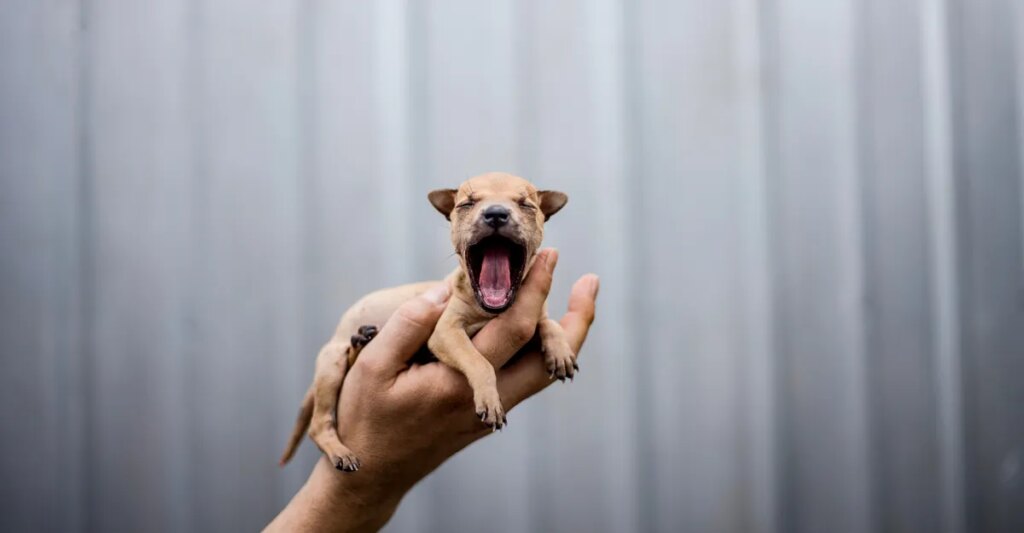
The world we’ve built is an unrelentingly cruel one for animals. By 2025’s end, millions of animals will have been locked in tiny cages and violently killed for their fur. Hundreds of millions will have been drugged, prodded, or sliced up in painful experiments. And close to 1 trillion animals will have been farmed for their meat, milk, or eggs, with the vast majority reared in factory farms.
Meanwhile, countless animals are caught from the wild, or bred in captivity, to be put on display in zoos, aquariums, and circuses, or sold as pets.
Even though most people oppose these cruelties to a degree, the industries that exploit animals for profit are economically powerful, politically connected, and culturally entrenched, making it incredibly difficult to win animals legal protections. The global animal advocacy movement is growing, but remains tiny in light of what it’s up against. So too are startups developing animal-free technologies.
But despite the odds, a number of incremental and transformative campaigns were won this year to chip away at the immense suffering experienced by animals. Here’s an incomplete list.
1) Poland banned fur farming as the global industry continued to collapse
Weeks ago, Poland — the world’s second biggest fur producer — banned fur farming. Polish President Karol Nawrocki called it a decision that “reflects our compassion, our civilizational maturity, and our respect for all living creatures.”
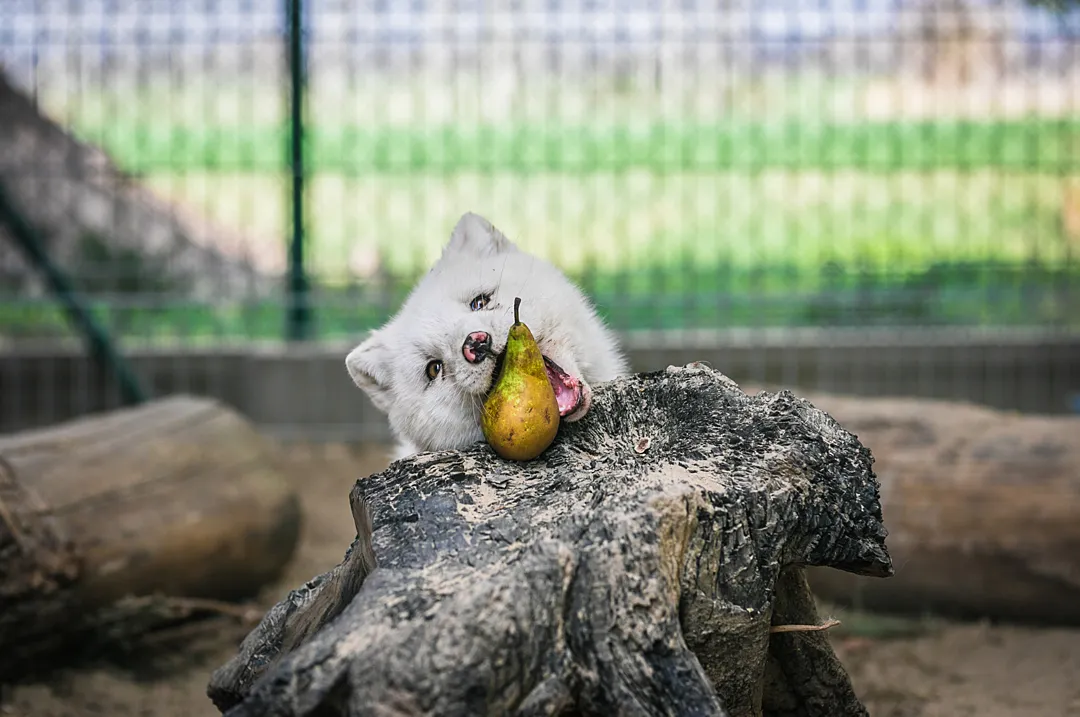
The move followed a decade of industry collapse; from 2014 to 2024, the number of animals farmed for their fur plummeted from 140 million to 20.5 million.
2) America’s cage-free egg trend accelerated
Most egg-laying hens in the US are still forced to live in tiny cages for their whole lives. Cage-free eggs are far from cruelty-free — the hens still suffer from a number of painful practices and likely don’t spend any time outdoors — but they’re a big improvement from cages. And this year, a lot of hens were spared from cage confinement.
In the US, the share of cage-free eggs jumped from 38.7 percent in December 2024 to 45.3 percent in September 2025 — saving about 20 million hens from life in a cage, which is the fastest shift since animal advocates began campaigning to ban cages in the early 2000s.
The trend is accelerating globally, too.
But progress on the cage-free issue has to be protected; US industry groups have tried to repeal state cage-free laws in Congress and the courts, and fortunately, those efforts failed in 2025.
3) Over 25 US jurisdictions banned the sale of dogs, cats, and other animals
Each year, Americans buy millions of dogs and cats from pet stores and breeders. Most of them come from puppy or kitten mills, where animals are raised in small, unsanitary enclosures with few protections and little governmental oversight. Meanwhile, millions of adoptable cats and dogs languish in shelters, and many are euthanized because there isn’t enough space to house them all.
To address the problem, animal advocates have successfully campaigned to pass laws in hundreds of cities, counties, and states that prohibit pet stores from selling pets. Momentum continued in 2025: Las Vegas, Denver, Detroit, and Manatee County, Florida — and more than 20 other US jurisdictions — passed such bans.
4) Switzerland required meat companies to disclose abusive practices on their packaging
One of the lesser-known horrors of meat, milk, and egg production are the mutilations. Because overcrowded animals sometimes peck or bite at each other, producers cut off piglets’ tails, sear off egg-laying hens’ beaks and cows’ horns, and slice off turkeys’ snoods — all generally without pain relief.
Switzerland didn’t ban these practices, but it did pass a law requiring food companies, grocers, and restaurants to disclose on package labels whether the animal products they’re selling came from animals mutilated without pain relief.
5) Technology to end the brutal killing of chicks advanced around the world
Because the hundreds of billions of male chicks in the egg industry can’t lay eggs, and they don’t grow big and fast enough to be efficiently raised for meat, they’re killed on the day they’re born — and brutally so: Usually they’re ground up alive, but some producers suffocate, burn, electrocute, or drown them.
Here’s the good news: There are now numerous technologies to detect the sex of a chick while they’re still in the egg so they can be disposed of before they hatch. And these technologies are taking off quickly. As of spring 2025, over a quarter of eggs in Europe were scanned with these technologies — an 8 percent increase over the prior year — which will prevent hundreds of millions of these violent deaths in the years ahead. And 2025 marked the year that these technologies became commercialized, though on a small scale, in the United States and Brazil.
6) Government agencies committed to reduce animal testing
The National Institutes of Health and other federal agencies have committed to reducing animal testing and accelerating the development of high-tech, nonanimal methods to test the safety of drugs and chemicals and conduct biomedical research.
Last month, the UK government announced similar initiatives.
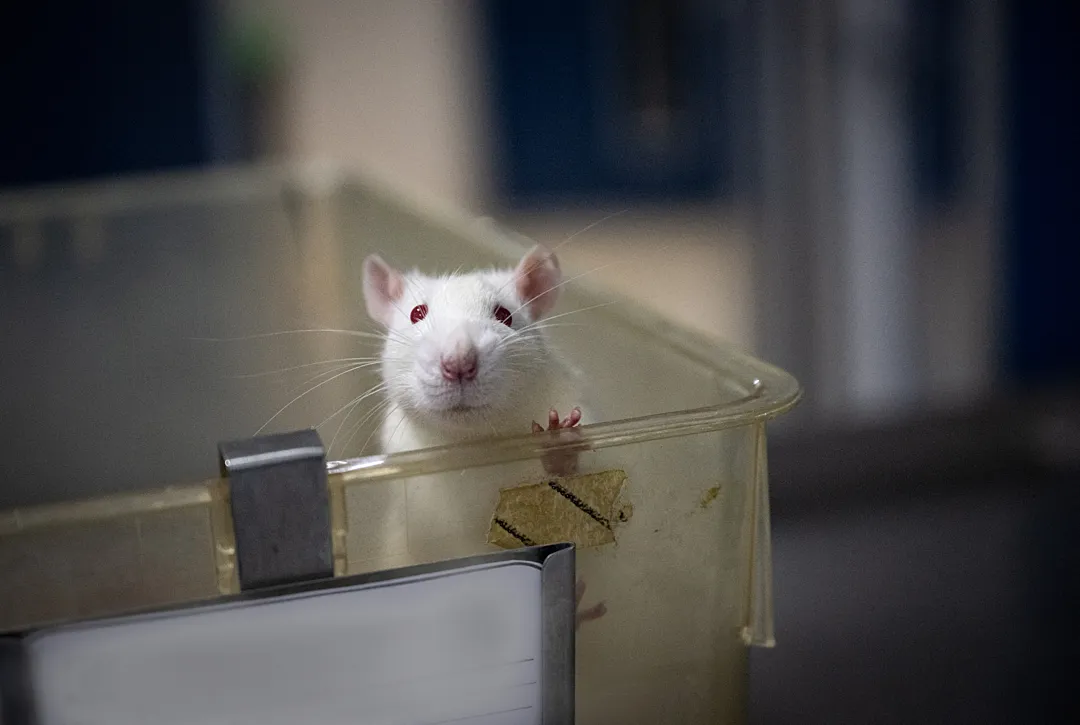
The politics of this issue are complicated — check out this Vox story for more — but if executed well, the outcome will be fewer animals subjected to painful experiments and more efficient, accurate scientific research.
7) The US dairy industry tyranny weakened
One of the more bizarre US food regulations requires that cow’s milk be offered or even served at every school meal; 41 percent of it is thrown away.
Schools are barred from proactively offering plant-based milk alternatives, like soy milk, even though most kids of color are lactose intolerant to some degree, and if a kid wants plant-based milk, they need a doctor’s note.
A bill recently passed in Congress, which President Donald Trump is expected to sign, will allow schools to proactively offer soy milk alongside cow’s milk, and students who want plant-based milk will only need a note from a parent, not a doctor.
It’s a win for student choice and food waste, but also for cows, who are subjected to a lot of terrible practices in the dairy industry.
8) Shrimp welfare went viral(ish)
The animals farmed in the highest numbers are not chickens, pigs, or fish, but crustaceans, like shrimp and prawns, totaling some 630 billion animals each year.
This year, several large European grocery chains committed to ensuring that the shrimp and prawns in their supply chains are at least electrically stunned before slaughter (as opposed to being suffocated). Also, a major seafood certifier pledged to require companies that sell under its label to no longer use eyestalk ablation — the ghastly practice of cutting out female shrimp’s eyes to accelerate reproduction.
Emerging support for shrimp welfare also had a moment of relative virality on The Daily Show (and I’d be remiss not to mention on Vox.com and Vox’s Unexplainable podcast).
9) Chickens get some relief
Arguably the biggest animal cruelty problem in the world is invisible to the naked eye; it’s how animals’ very genetics have been tweaked to make them grow bigger and faster — especially chickens — which can cause them to suffer terribly.
The head of a chicken industry group went so far as to say that the animals’ “existence is painful.”
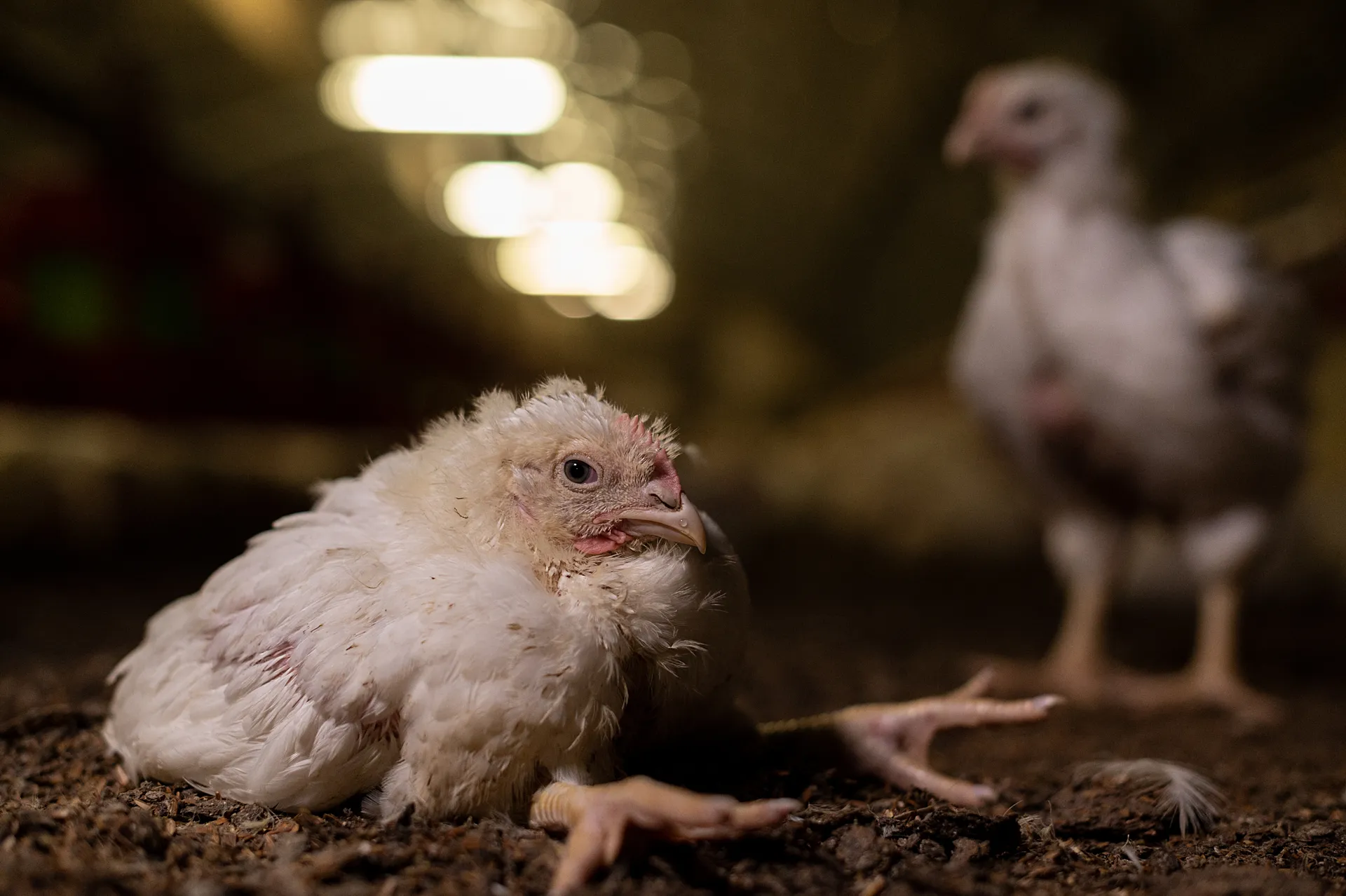
The good news is that this year, according to Coefficient Giving’s Lewis Bollard, some large chicken companies and grocery stores in Europe committed to switching to slower-growing breeds with fewer health problems — changes that will reduce the suffering of hundreds of millions of animals annually.
However incremental most of these changes may be, they were hard fought for through intensive campaigning, coalition building, and public persuasion. They prove that these animal industries’ economic and political power doesn’t make them invincible, and that change for animals is possible through smart advocacy and new technologies. Here’s to hoping even more is accomplished in 2026.
This story originally appeared in Vox’s Future Perfect newsletter. Sign up here!
The post 9 actually good things that happened to animals this year appeared first on Vox.