

This as-told-to essay is based on a conversation with Kirsten Hurley, a 44-year-old leadership coach based in London. The following has been edited for length and clarity.
Last year, I was on course to establish myself as a successful businesswoman in the tech sales space. Then, burnout stopped me in my tracks.
With my parents aging, I’ve had to do more caretaking for my autistic twin brothers in their adulthood. As the problem-solving demands of caring for them increased, it took away from my ability to do well at work.
I couldn’t solve problems that I usually had no issue navigating. I felt overwhelmed and hopeless. I’d ignored physical signs like migraines, fatigue, and chronic pain. I thought my burnout was something I could solve on my own, but I turned into my own worst enemy with it.
I had some savings to live on, and the summer of last year, I quit my job. It was the start to discovering how I could lead a healthy life, pursue fulfilling work, and still manage to pay the bills.
This is the final installment of Business Insider’s five-part series, The Burnout Cure, which examines how people recognize burnout, confront it, and rebuild their lives on the other side. Check out their stories below and share yours here.
I was an ambitious Amazon exec who solved my burnout without skipping a beat at work. Here’s how.
Before quitting, I felt a lot of guilt about my performance at work
My managing director role started in 2020, and I loved the team I worked with. During my burnout phase, I tried to stay at work and medicate myself with expensive supplements, caffeine, over-exercising, and even shopping and going on holidays. Despite my efforts, I couldn’t stop feeling like my team, my family, and my friends all needed better from me.
There were responsibilities I physically couldn’t keep up with because I’d constantly have migraines. I was reacting negatively to situations I’d always approached with a solution, and had let cynicism really creep into my thoughts and actions.
When I decided to quit, I was honest with my team about why I was leaving. I knew I wasn’t doing a good job for them.
Almost immediately, I started to regret my decision. I’d see on LinkedIn or hear in conversations with friends that people were attending conferences, events, and dinners, and I had nothing to do. I felt a real sense of loss at that point.
However, I knew I needed this break. Once I had budgeted my finances to determine exactly how long I could take it, I had to force myself to put those feelings of regret and loss to bed and get comfortable with my new normal.
Trying to read about how to solve burnout made mine worse
There are numerous books and advice available about burnout recovery, and I tried to read about it, but sometimes it ended up being a tool I used to beat myself up.
I fell into a research trap of reading about and trying cures that worked for someone else in a completely different situation. I’d get so upset because the thing I’d tried wasn’t working. I had to stop researching because maybe those solutions were never going to work for me, and I felt so awful when they wouldn’t.
I discovered I needed validation to let go of my job and recover
When I was deciding to quit my job, I needed my partner to validate me and say, “If you let go, it’s OK. I’m going to catch you.” Ultimately, that was what got me to my decision.
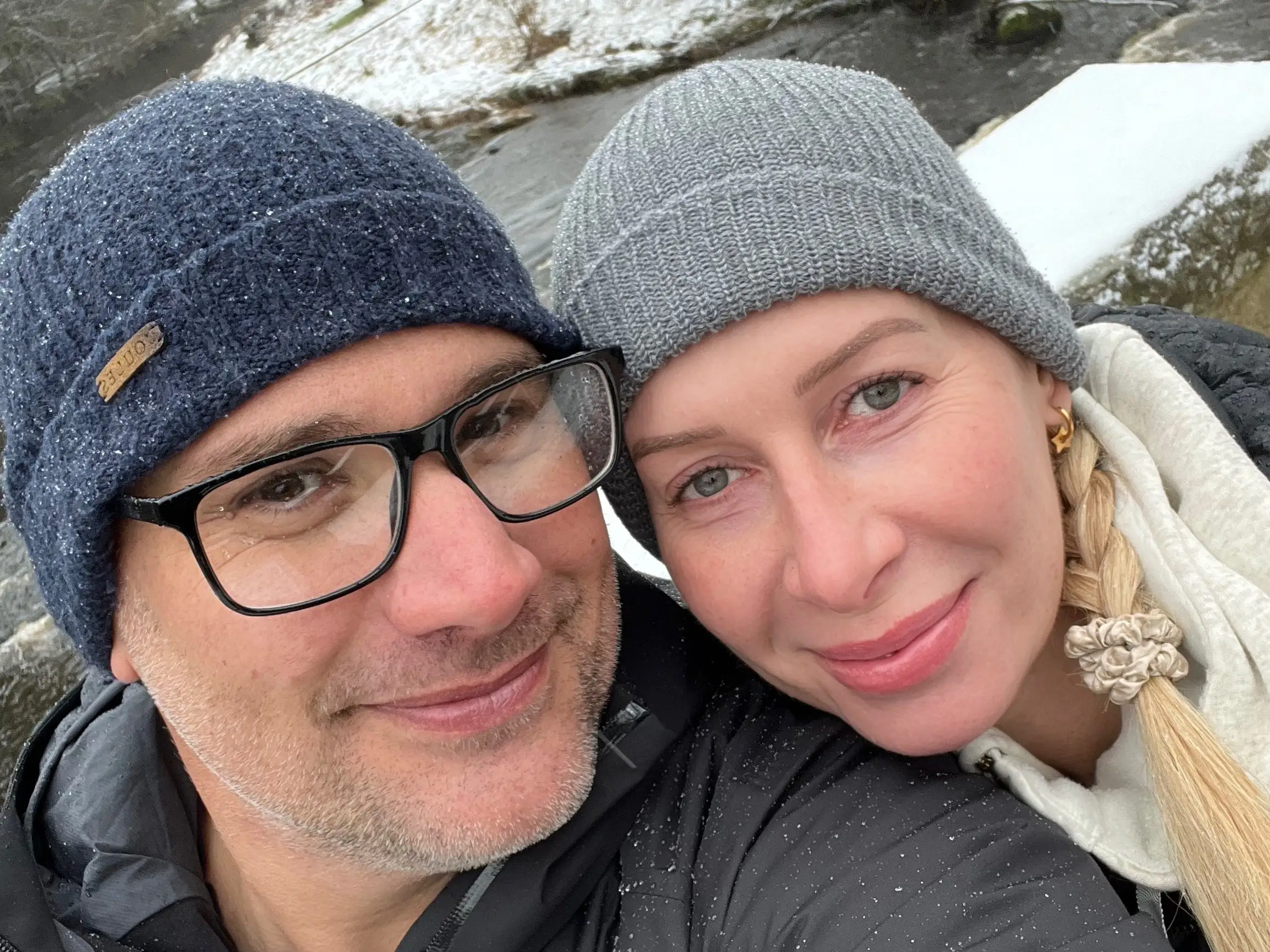
I prioritized catching up on my sleep and started swimming again because that was super meditative for me. I went on long walks with my partner and our dog. Sometimes, we’d talk; other times, we’d be quiet together because I was learning to be peaceful in my brain.
Some things went away almost instantly, such as the aches and pains in my body, and I experienced far fewer migraines. But the general sense of fatigue or malaise hung around for a few months before I felt more like myself again.
I dedicated more time to figuring out better care plans for my brothers
My brothers have very different needs, and I worked with my dad on improving their care plans during my break. I recognized that I wasn’t good at communicating assertively when speaking with their support workers, and I learned this because I took a coaching course about compassionate leadership.

The course helped me recognize that I didn’t have the words to describe what I was going through or needed help with because I’d never taken the time to communicate with someone about it before.
Once I became better at communicating, we were able to get out of the loop of repeating the same failed care plans and being confused that we weren’t getting results.
Bettering my communication led me to my next career after burnout
I didn’t think about my next career steps until January. I was scared of falling into another job or career and potentially repeating the same mistakes again.
I thought about starting my own business. I liked that I could prioritize my brothers when they needed me because I’d be managing my own workload. Some people said that being self-employed could drain more of my energy, but flexibility is now the most important thing to me.

I decided to become a compassionate leadership coach myself, and I’m working on finding my work-life balance. I feel passionate about helping others, including caregivers, to avoid the same burnout experiences I had.
With hindsight, I can see that I was holding myself to standards that were no longer realistic, given how my responsibilities had expanded. I needed to recalibrate my approach to work and what I expected of myself to finally understand the difference between high standards and sustainable ones.
Read the original article on Business Insider
The post I was juggling a tech leadership role and caring for my autistic brothers until burnout stopped me in my tracks. Here’s what I changed to recover. appeared first on Business Insider.