The H-1B visa has always created winners and losers. Every spring, the government runs a lottery for 110,000 new visas. Last fiscal year, nearly half a million people put their names in.
This fall, the Trump administration set new rules in motion that immigration lawyers say will upgrade some foreign nationals in the lottery, while others will get squeezed out.
Trump’s overhaul of the H-1B visa program slaps a $100,000 fee on new petitions for workers living abroad, and includes a proposal that would tilt the lottery in favor of the highest-paid applicants. Instead of giving every applicant a single, equal shot, the lottery would give workers in the top wage bracket four chances. Those in the lowest tier would continue to get just one.
Suddenly, a machine-learning researcher promised a pro-athlete-sized paycheck looks like a slam dunk in the lottery compared to a junior developer at a midsize company.
The written comment period on the wage rule ended in late October, and the Department of Homeland Security is now reviewing comments and preparing the text of the final rule.
The Trump administration holds that employers have abused the H-1B as a way to hire IT talent cheaply. A September executive order announcing the new fee framed the issue as a raw deal for American workers, saying the program had been “deliberately exploited” to replace them with lower-paid foreign labor. The fee is now facing multiple legal challenges in federal courts.
In a statement, Matthew J. Tragesser, a spokesman for the United States Citizenship and Immigration Services, told Business Insider that the agency is working closely with the Department of Labor and the State Department to reform the H-1B program to “root out fraud.”
“The proposed rule will protect American workers, encourage employers to offer competitive wages, and ensure that H-1B visas go to top-tier talent filling critical, high-skill positions as the law intended,” Tragesser said.
Meanwhile, the State Department is tightening its screening of H-1B workers and their H-4 family members. The department directed consular officers to review applicants’ social media and other public online activity as a standard part of the process — a shift that has led some consulates to cancel or reschedule visa appointments as they adjust to the new vetting rules.
A State Department spokesperson framed the expanded screening as part of a broader push toward rigorous vetting over fast processing. The department said it may move appointments as resources change, with applicants able to request expedited slots on a case-by-case basis.
Winner: Big Tech
Immigration lawyers say the proposed lottery updates hand an edge to large tech companies.
The fee won’t apply to most hires in Big Tech’s pipeline, said Jason Finkelman, an Austin, Texas, attorney focused on employment and family immigration. It’s much more common for those companies to poach visa holders already in the United States, or hire new grads straight out of American schools, whereas the fee only affects new petitions for workers living abroad.
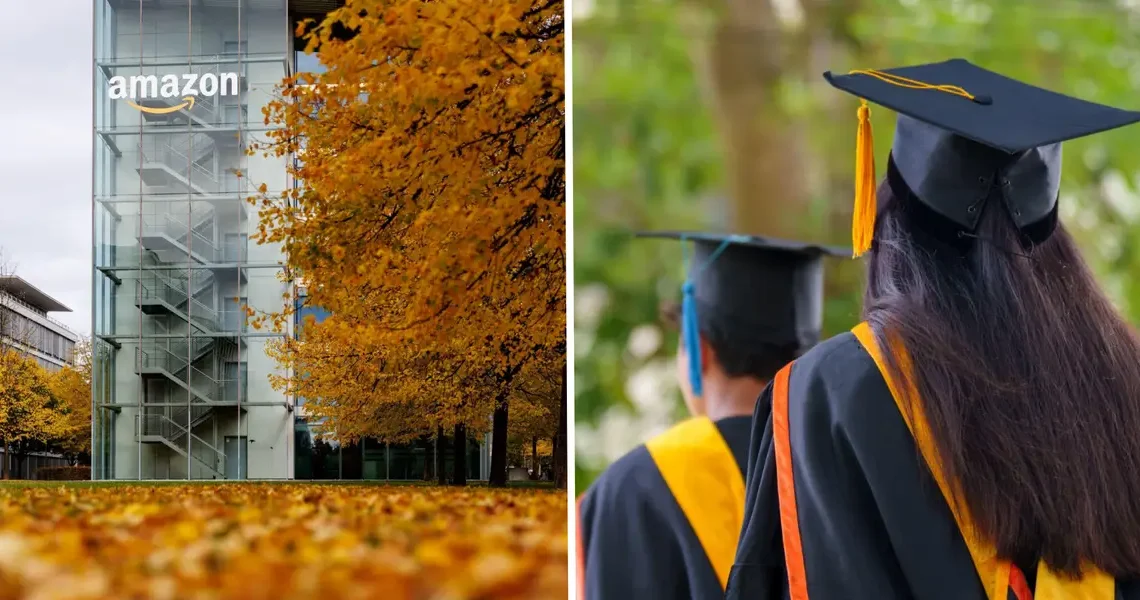
A National Foundation for American Policy analysis of government data found that in fiscal year 2025, Amazon led all employers with 4,644 approved new H-1B petitions, followed by Meta, Microsoft, and Google. It was the first time these four tech giants occupied the top four spots.
Large enterprises will treat the $100,000 H-1B fee as the price of getting the right people inside their organizations, said Edward Raleigh, a partner at Fragomen, one of the largest global immigration law firms.
Justin Parsons, a partner at law firm BAL, which focuses on work immigration, is telling his tech clients that the fee could actually work in their favor. They can absorb a fee that startups and IT staffing firms cannot. In a lottery, when high-volume filers pull back, everyone else’s odds improve, including those of cash-rich tech companies still submitting names. Plus, if the wage rule goes into effect, it would give Big Tech’s big-ticket hires a better chance of success.
Loser: Early-stage startups
The wage-based system would shift the odds even further toward large, often publicly traded companies that can afford to slot foreign hires into the top salary bands. Immigration lawyers say that would leave equity-heavy but cash-poor startups at a disadvantage in the lottery.
“Often the best startup founders forgo being paid a living wage because they’re so dedicated to the mission,” said Bay Area immigration lawyer Sophie Alcorn. Those same startups “may be the ones that have the most difficulty in getting the right people through this future system.”
One exception, said Alcorn, is the crop of well-funded artificial intelligence startups, where base pay for elite machine-learning researchers and engineers is already sky-high.
Loser: International students
Under the new system, international students would also have fewer shots on goal.
New grads typically start in lower-wage tiers, which would give them fewer tickets in the lottery, just as small and midsize companies are backing away from sponsoring them at all.
Alcorn, who serves mostly entrepreneurs and early-stage tech companies, said a handful of jobseekers, including international students, have told her that companies have pulled offers to those requiring visa sponsorship — spooked by headlines and shifting rules.
On paper, most foreign students who are already in the United States shouldn’t be hit with the $100,000 fee, Finkelman said. If they’re on F-1 student visas and move onto H-1Bs, that’s a change of status, not a brand-new petition, so the fee wouldn’t apply, he said.
Unclear: American software developers
The Trump administration has framed these updates as a win for American workers. Software engineers, in particular, have something to gain if the changes achieve their stated intent.
The tech industry has shed tens of thousands of staff this year, with Microsoft, Amazon, Google, and Meta all cutting engineering-heavy roles as they restructure around automation. At the same time, early-stage startups are boasting that machines now do a huge share of the coding.
Immigration lawyers are suggesting that some companies will pull back from hiring foreign talent under these new rules. The Trump administration is banking on some of those jobs now defaulting to American-born workers and green-card holders by the process of least resistance.
Domestic coders are contending with both layoffs and LLMs. But in this new hierarchy of risk, the American engineer could become a safer, cheaper bet than a foreign hire whose visa now comes with more cost, paperwork, and regulatory headaches.
“One of the main attributes of this administration is that it keeps people guessing,” said Ted Chiappari, head of the immigration group at law firm Duane Morris. “Just because things are one way on Monday doesn’t mean they’re going to be the same way on Tuesday, and they won’t switch back on Wednesday.”
Read the original article on Business Insider
The post New H-1B visa rules upgrade some lottery applicants — and squeeze out others appeared first on Business Insider.