Harvard officials have opened a secret disciplinary investigation into at least two students for their roles in drawing scrutiny to the relationship between the sex offender Jeffrey Epstein and the school’s former president, Larry Summers, according to three people briefed on the matter.
The students posted videos online showing Mr. Summers addressing students in a Harvard lecture hall about his connections to Mr. Epstein last month, and took credit for pressuring him to step away from teaching after the disclosures. The investigation includes an examination of whether the students — who publicly criticized Mr. Summers — violated a series of rules, including attending a class they were not enrolled in, the three people said.
The students are facing potential discipline that could range from a private reprimand to being required to withdraw from the school, according to the two people. It is against Harvard’s rules for students to attend classes they are not enrolled in. And it is also against the rules to record classes without consent or publicize those recordings.
The investigation is being conducted after Harvard received complaints from at least one faculty member after the videos, including some that included a teacher and students in it, were posted online, according to one of the people briefed on the investigation.
The complaints initially claimed that the two student in question violated the university’s anti-bullying policy, which prohibits aggressive words or actions, including yelling and insults, that create a hostile environment, according to one of the people. But the bullying portion of the complaints were dropped and the inquiry is now just focused on whether the students violated the policies about videotaping the class and attending a class they were not enrolled in, the person said.
The people briefed on the investigation spoke on the condition of anonymity because they did not want to be identified discussing an investigation that is supposed to remain confidential.
The students under investigation are Rosie P. Couture and Lola DeAscentiis. They are both supposed to graduate this spring and have been active in feminist causes on campus. Both women declined to comment in response to email messages seeking comment.
Harvard declined to address the specifics of the investigation. But in a written statement said: “The College prohibits unauthorized recording of classroom proceedings to protect classrooms as spaces for intellectual exploration and risk-taking, to respect student privacy, and to prevent chilling effects that undermine participation and inquiry.”
In November, Congress released new emails showing the close ties between Mr. Summers and Mr. Epstein. The two students are accused of attending Mr. Summers class a week after that release, even though they were not enrolled in it.
One of the students posted a video of Mr. Summers, a former U.S. treasury secretary, addressing the class and acknowledging that he had put out a statement expressing shame and regret about his relationship with Mr. Epstein.
While Mr. Summers said that he would be stepping “back from public activities for a time,” he added: “I think it’s very important to fulfill my teaching obligations. And so, with your permission, I’m going to, we’re going to, go forward and talk about the material in the class.”
The student who posted the video on social media added a note that read, “This is how classes start at Harvard: Professors apologizing for their ties to Jeffrey Epstein.”
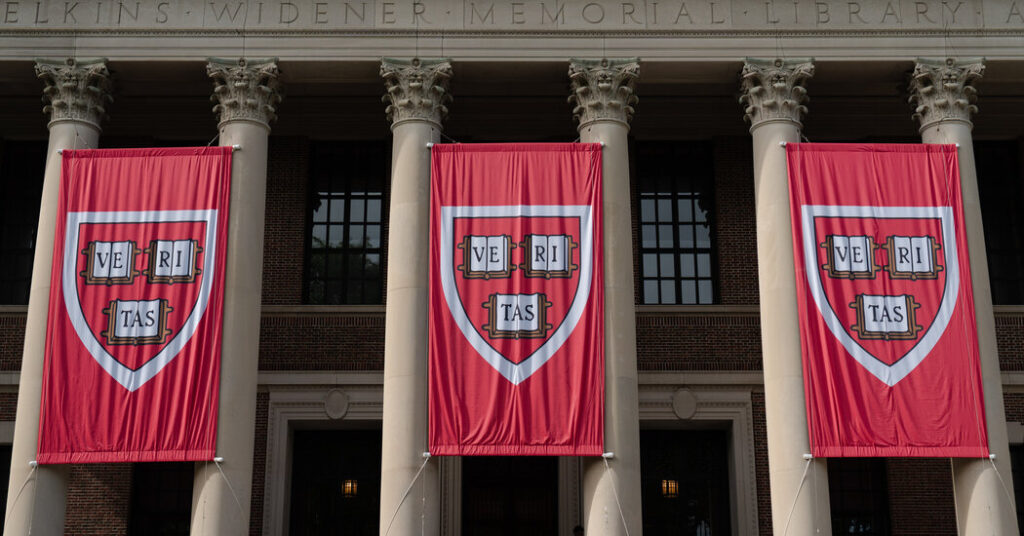
The disclosure of the investigation comes at a particularly fraught moment at Harvard. On one front, the school is engaged in a full-scale conflict with the Trump administration over grants and academic independence while it is trying to negotiate a settlement to end the dispute. School officials are still grappling with how to deal with balancing freedom of speech rights with running an orderly campus.
At the same time, Harvard is dealing with the fallout from embarrassing new disclosures about the ties between Mr. Epstein and Mr. Summers, and the school is reviewing the ties between the two men. That review is pending.
The video was widely shared and picked up on news sites such as CNN and Fox News. It drew thousands of comments, many calling for Mr. Summers to be fired or questioning why Harvard still employed him.
The episode put pressure on the school and Mr. Summers. A day after the video was released, on Nov. 19, Mr. Summers announced that he was stepping back from teaching.
When the class met the next day, at least one of the students under scrutiny attended again. That student is accused of filming the new professor leading the class, Robert Lawrence, saying that Mr. Summers would no longer be teaching. Mr. Lawrence added, according to the video, “We will miss his insights and his wisdom.”
At that point, the person filming yells, “No we won’t!” Another student yells back, “Yes, we will.”
Mr. Lawrence carried on with the class and introduced that day’s speaker who was standing nearby.
“It’s a real honor for me today to welcome our guest, former Prime Minister Tony Blair,” Mr. Lawrence said.
Both students under investigation posted videos of that day’s class on TikTok.
The investigation into the students, like many that occur on college campuses across the country, is shrouded in secrecy.
Under the terms of the investigation established by Harvard, the students being scrutinized are barred from discussing any specifics about the school’s investigation and could face further discipline if they are caught talking about it with anyone who is not a family member, a college official or a lawyer, according to one of the two people briefed on the investigation. After a decision is rendered about discipline, the students are still barred from discussing it.
And while the students may retain lawyers, the lawyers are prohibited from participating in the students’ defense against the Harvard officials overseeing the investigation, who make the ultimate determination about guilt and punishment.
The controversy surrounding Mr. Summers is just the latest during his long tenure at Harvard.
It began last month in the days after a U.S. House committee released a tranche of documents acquired from Mr. Epstein’s estate. Among the documents were friendly email exchanges between Mr. Epstein and Mr. Summers, one of America’s best-known economists.
Their correspondence continued for years, the emails showed, after Mr. Epstein served jail time for the solicitation of prostitution with a minor. Mr. Epstein died by suicide in a jail cell in 2019 while facing sex trafficking charges.
In one email from 2018, Mr. Summers, who was married, complained to Mr. Epstein that a woman in whom he was romantically interested had put him in the “rearview mirror category.”
Mr. Epstein described himself in an email as Mr. Summers’s wingman.
Mr. Summers issued a statement after the document dump, expressing shame for his “misguided decision to continue communicating with Mr. Epstein.” He said he would withdraw from public commitments, and stepped down from posts at think tanks and from the board of the artificial intelligence company OpenAI.
Mr. Summers has survived the controversies in the past, including in 2005, when as president of Harvard he said innate differences between the sexes might explain why fewer women were successful in math and science. He apologized and said his ideas had been mischaracterized. The Faculty of Arts and Sciences passed a vote of no confidence; Mr. Summers announced his resignation in 2006.
Mr. Summers served as the director of the National Economic Council during Barack Obama’s first term. Mr. Summers has been a frequent critic of Harvard policies in recent years, including the school’s handling of campus protests after the Oct. 7, 2023, Hamas attack on Israel.
Michael S. Schmidt is an investigative reporter for The Times covering Washington. His work focuses on tracking and explaining high-profile federal investigations.
The post Harvard Secretly Investigates Students Over Larry Summers Video on Epstein appeared first on New York Times.