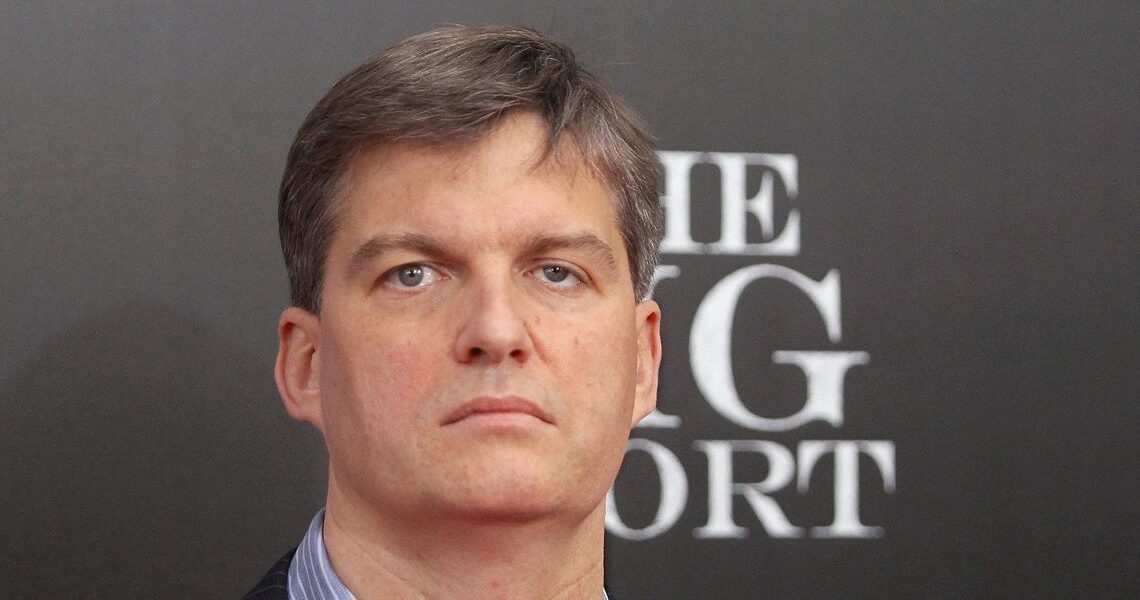
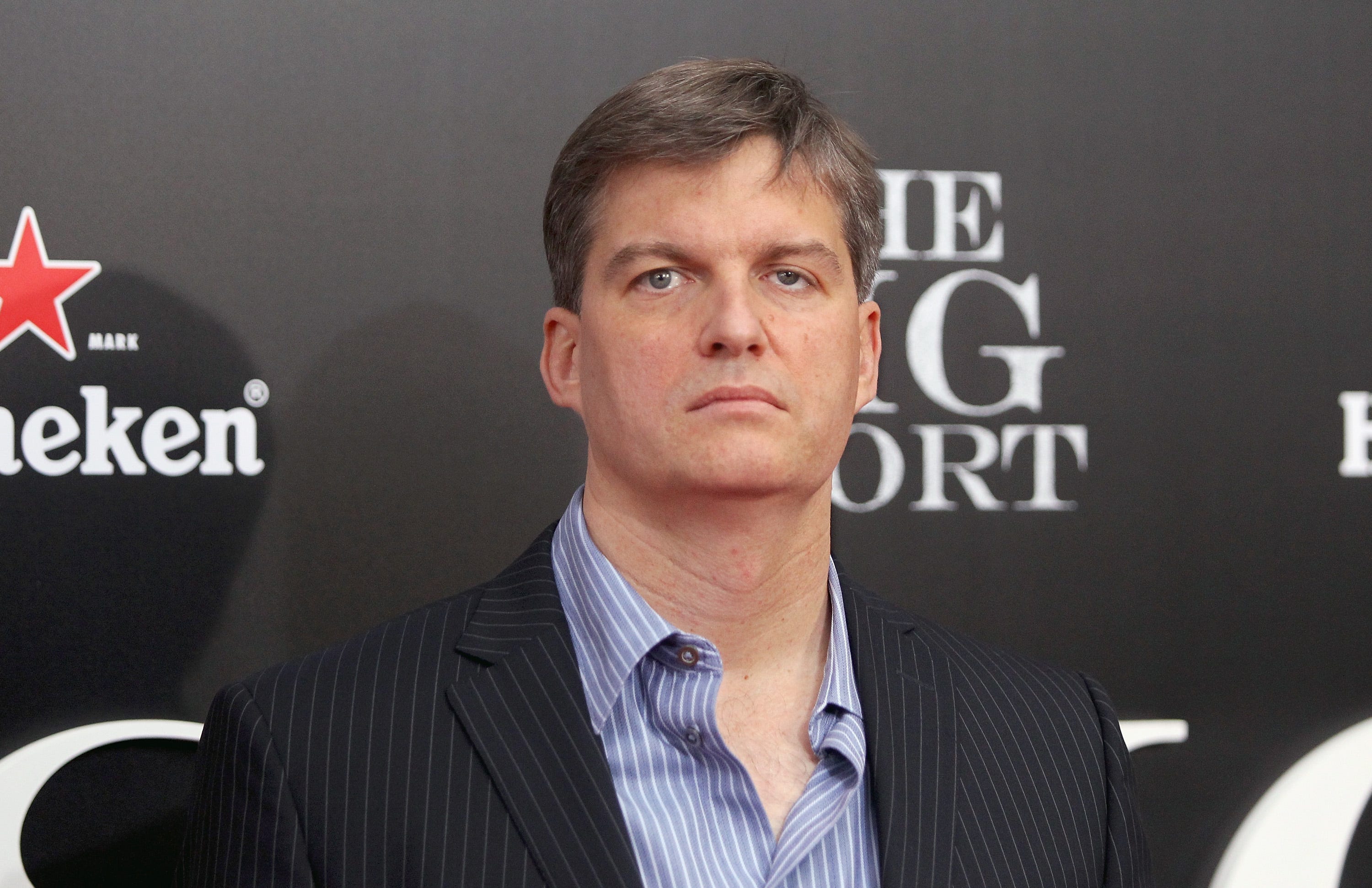
When it comes to regrets, Michael Burry has a few.
The investor of “The Big Short” fame, who bet on GameStop years before it became a meme, explained why he sold the stock before it skyrocketed in a Substack post on Monday night.
Burry got in early
Burry, who recently pivoted from hedge fund manager to online writer, first invested in GameStop in the summer of 2018. The video-game retailer’s stock looked undervalued to him, and he saw an array of catalysts that could send it higher, he wrote.
They included a console refresh in 2020, the possibility of a buyout, the potential sale of the Spring Mobile business, and strong cash flows and a large cash pile offering scope for a “very big and consequential buyback,” Burry wrote.
He exited the position in the second quarter of 2019 after the stock failed to budge. But he reinvested in July 2019, buying the stock “with both hands” and making it one of his larger holdings, in part because high short interest presented a fresh catalyst, he wrote.
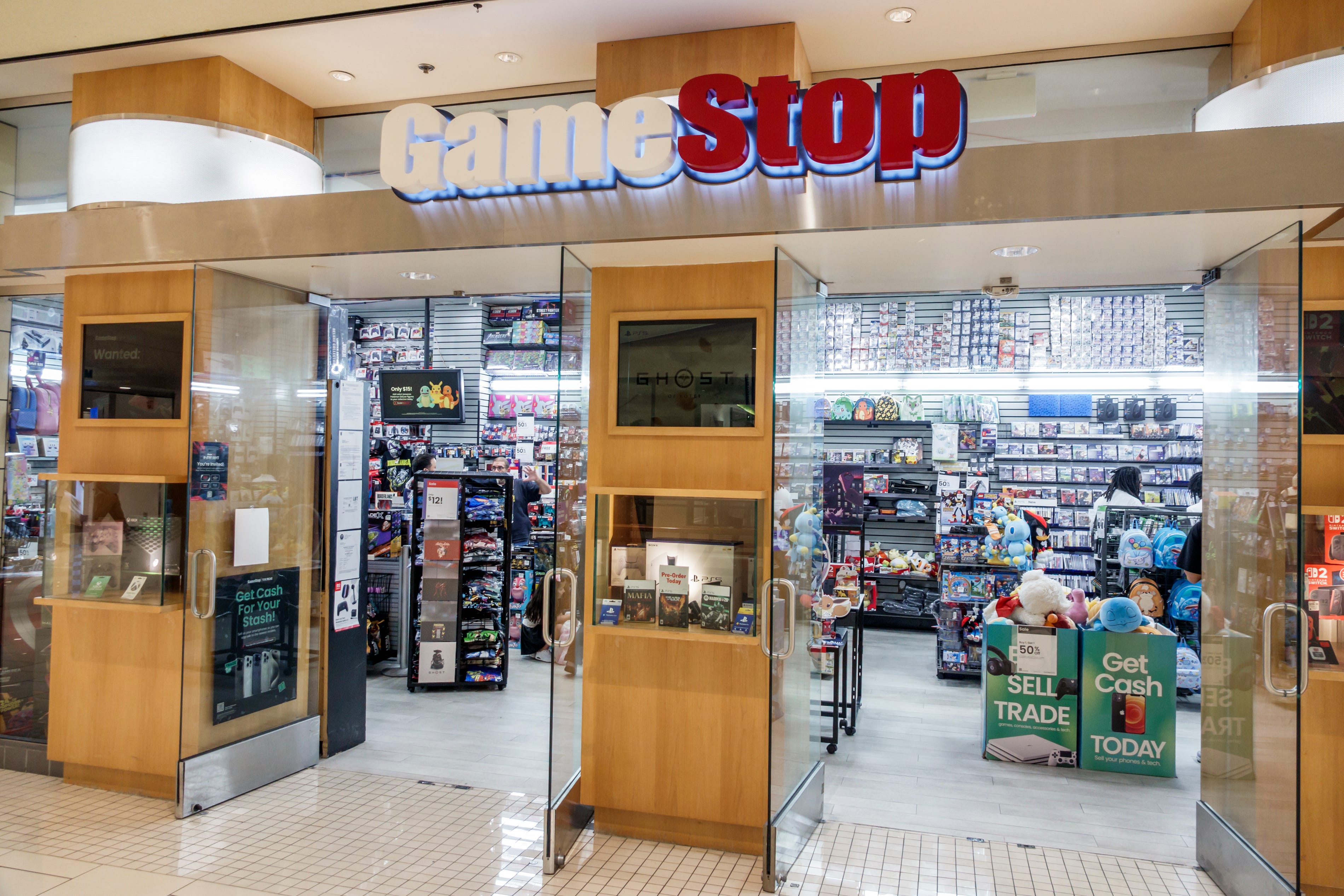
“I visited a GameStop store to make sure I was not crazy,” Burry wrote. “It did not work. Even the stuff that was not on sale looked like it should be on sale.”
Burry wrote to GameStop’s board to push for changes at the company. He shared that his public activism drew emails from Keith “Roaring Kitty” Gill, a retail investor who would become the face of the GameStop meme mania, and Chewy cofounder Ryan Cohen, who would go on to become GameStop’s CEO.
Selling before the surge
Burry said he bought into GameStop the second time at a split-adjusted average price of 83 cents, or less than 1/26 of the current $22 stock price.
He purchased an almost 5% stake and held it for more than 16 months. “Most of that time, I lent my shares out at very good rates — high double digits — which was lucrative and a big part of the trade,” he wrote.
Burry cashed out by the end of November 2020, selling his shares for an average of $3.38 each, or more than four times what he paid.
Weeks later, retail investors on forums such as r/WallStreetBets executed a historic squeeze on GameStop short sellers, sending the stock to an intraday high of over $120 on January 28, 2021.
“At the peak my yearslong investment might have turned $12 million into $1 billion, but that was never a possibility,” Burry wrote, noting that he would have sold long before that point.
Burry — best known for predicting and profiting from the housing crash that preceded the 2008 financial crisis, a story told in the book and movie “The Big Short” — reflected on whether he should have played his hand differently.
“I could have analyzed that situation better,” he said. “I knew GameStop inside and out, and I thought I understood the volume, short interest, and other dynamics. However, I was blinded by what I saw as execution risk.”
He’d also lost faith in a huge stock rebound. “As well, I am human,” he wrote, adding that large-scale buybacks, board changes, and the sale of Spring Mobile had been “home run/slam dunk activist successes with concrete results but zero impact on price or short interest.”
Burry seized the chance to close out his bet after GameStop shares spiked following Cohen’s disclosure of his stake.
“I had no idea what was coming,” he wrote. “I had no idea that a Roaring Kitty existed.”
“And I had no idea that a widely distributed gamma squeeze would thread the needle to become the one and only legal market corner,” he added.
Around 50 days after he exited, that “ignominious crappy business” had become the “belle of the ball,” Burry wrote. “The entire world could not take their eyes off her. And neither could I.”
Looking back and ahead
Burry said he had mixed feelings about the meme-stock mania of early 2021: “It was spectacular. It was hilarious. It was tragic in turn.”
But he decided it was “less fun” by the middle of 2021, when non-fungible tokens (NFTs) were soaring in value along with “watches, shoes, just about everything.”
Burry said he feared retail investors would be “shredded on this meme thing,” and warned them to watch out. He spoke out because “if there is one thing I wish I could have done, it was to have effectively warned or spoken about what was happening in 2005-2007,” he wrote.
The deep-value investor, who moonlighted as an investment blogger in medical school, also teased an upcoming post that will be a “breakdown of GameStop as an investment today.”
“As a melting ice cube and a capital structure with some optionality, GameStop is roughly as I approached it in 2018, except it is only 16% shorted, all the numbers are 10 times bigger and Ryan is running it, for better or worse,” he wrote.
Read the original article on Business Insider
The post ‘Big Short’ investor Michael Burry sold GameStop weeks before it skyrocketed: ‘I had no idea what was coming’ appeared first on Business Insider.