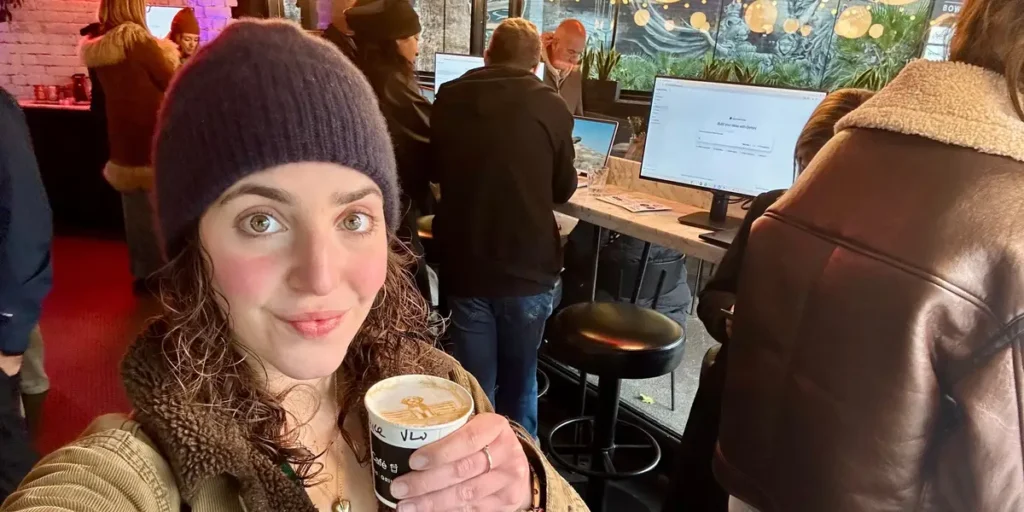
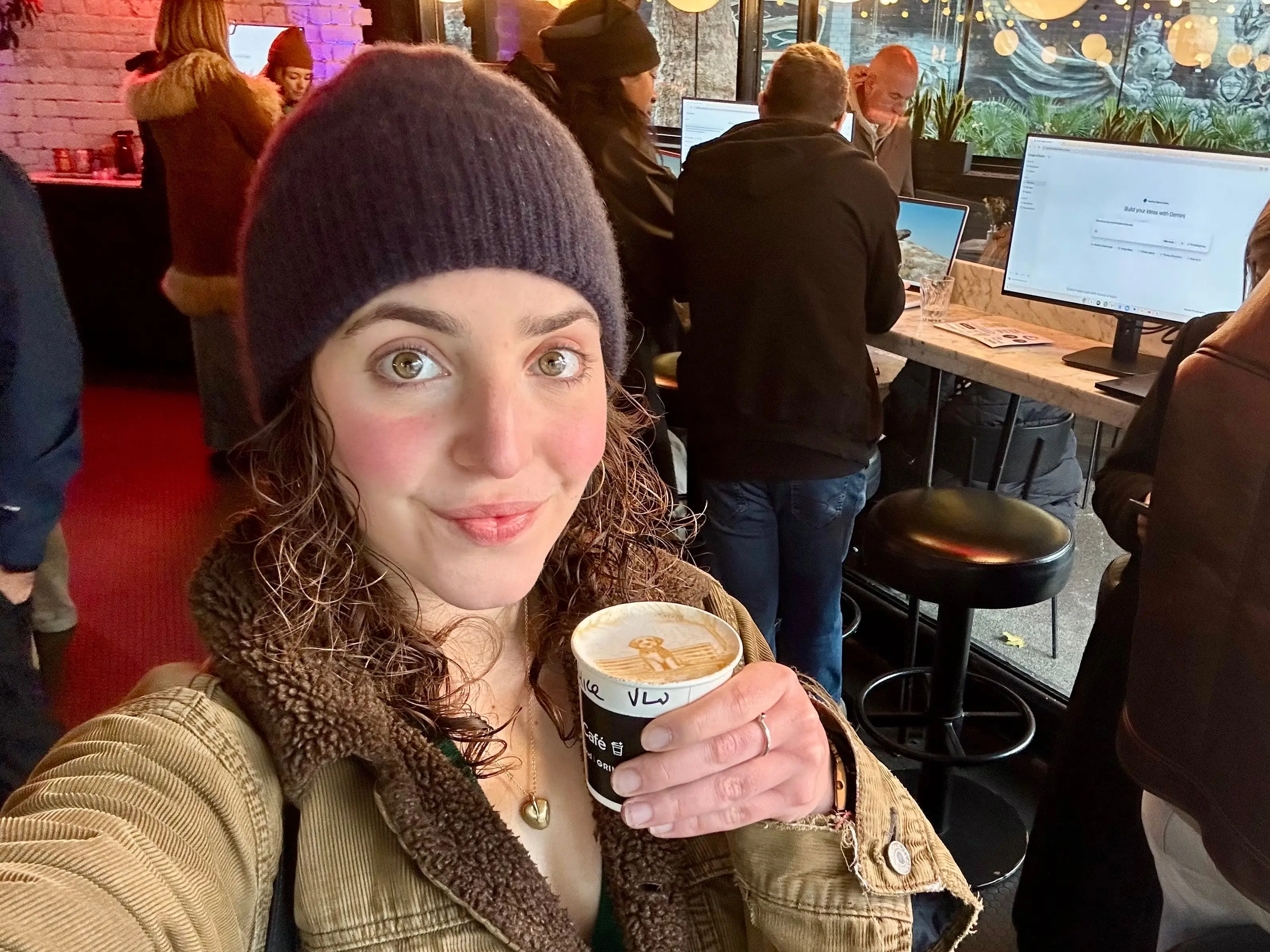
Among the various remedies I’ve tried for homesickness, sipping a flat white topped with AI-generated foam art of my dog is the most unexpected.
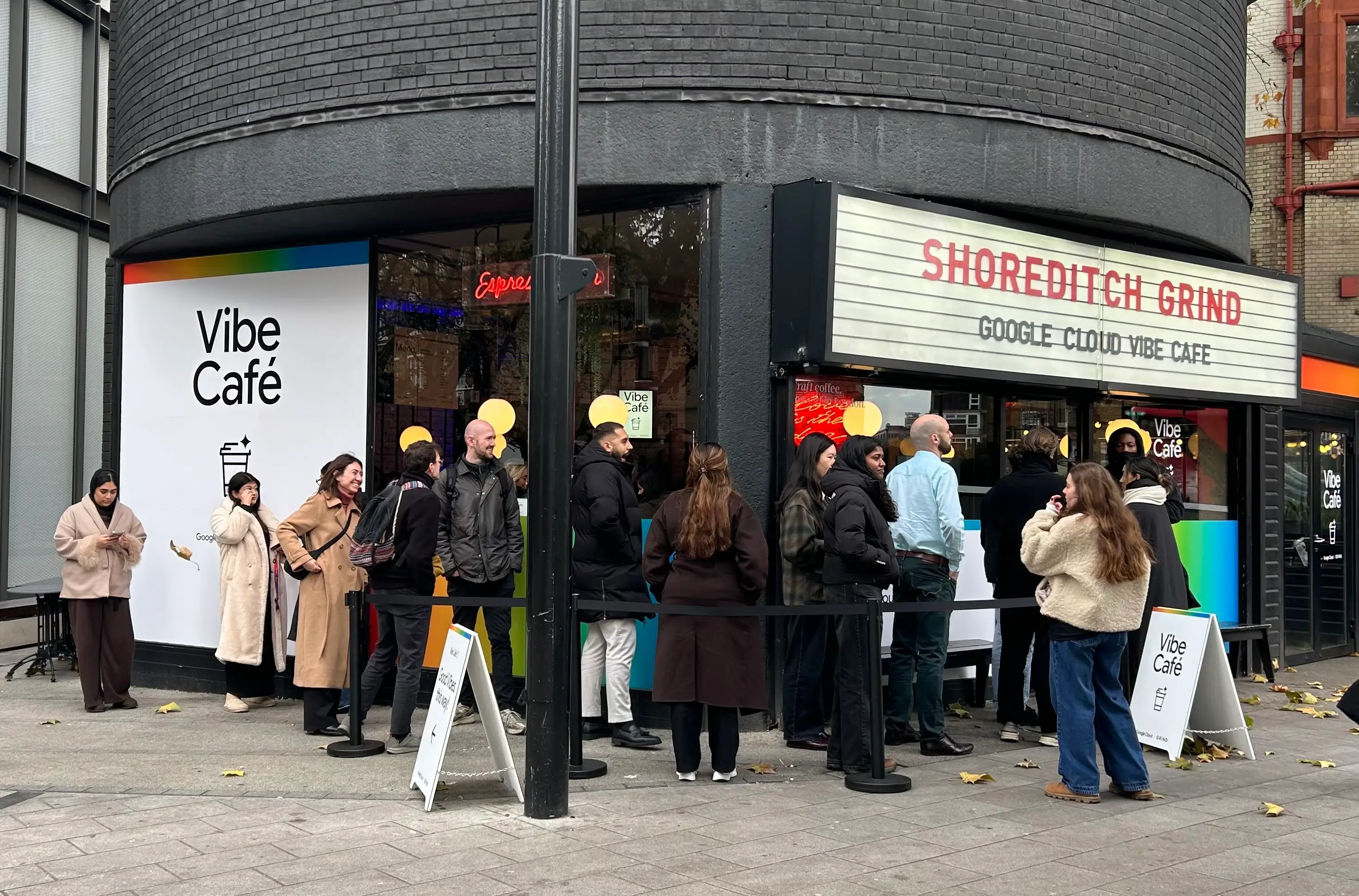
I got my coffee this week from Google’s pop-up “Vibe Café,” one of the company’s efforts to get people to vibe code, in London’s Shoreditch neighborhood on my way to work.
My visit to the café, which bustled with techies in slipper-sneaker hybrids, left me with a case of vibe-coding whiplash as my ambivalence turned from excitement to disillusionment.
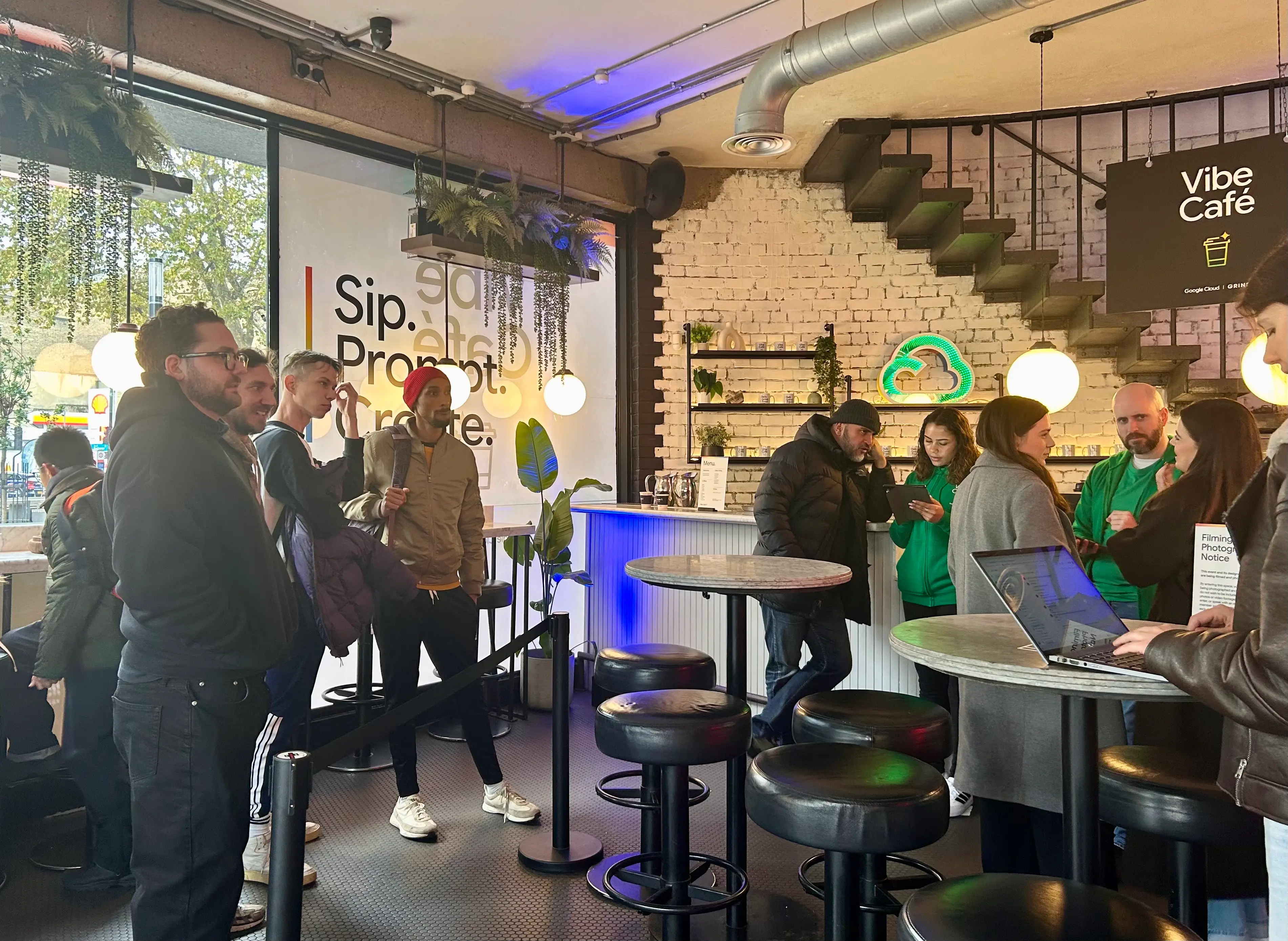
Google has done a few of these pop-ups around London and Europe, an employee told me, with the same structure: order a drink, describe the design you want, select from AI-generated options, and watch a machine print the image on your beverage.
Those with some time to spare can also work with one of the Googlers present to vibe code their own app using Gemini. Ideally, the events help people learn “firsthand how easily you can apply AI to your own environment,” according to Google’s website. Other tech companies have hosted caffeinated AI marketing ploys in London, including Anthropic.
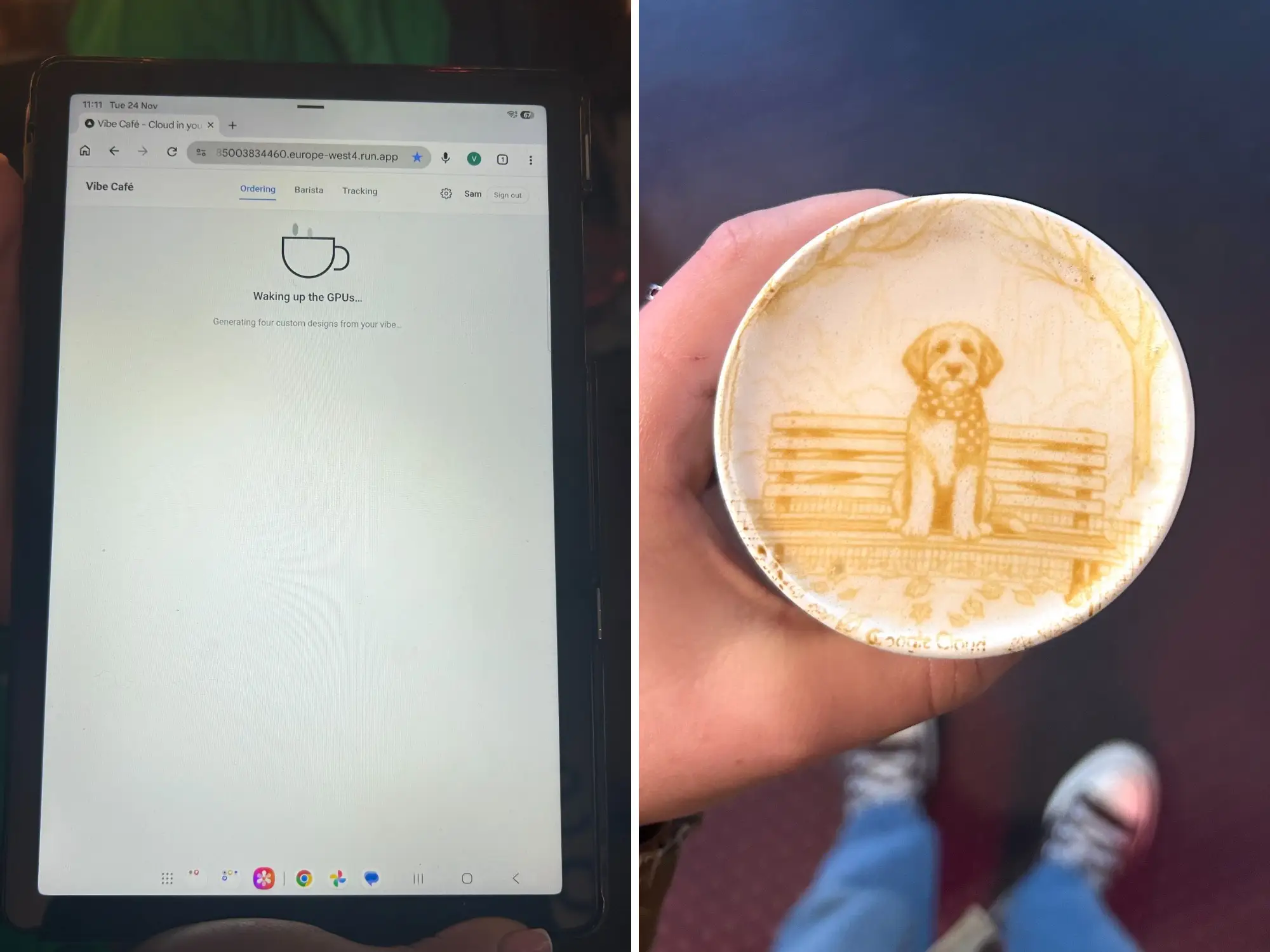
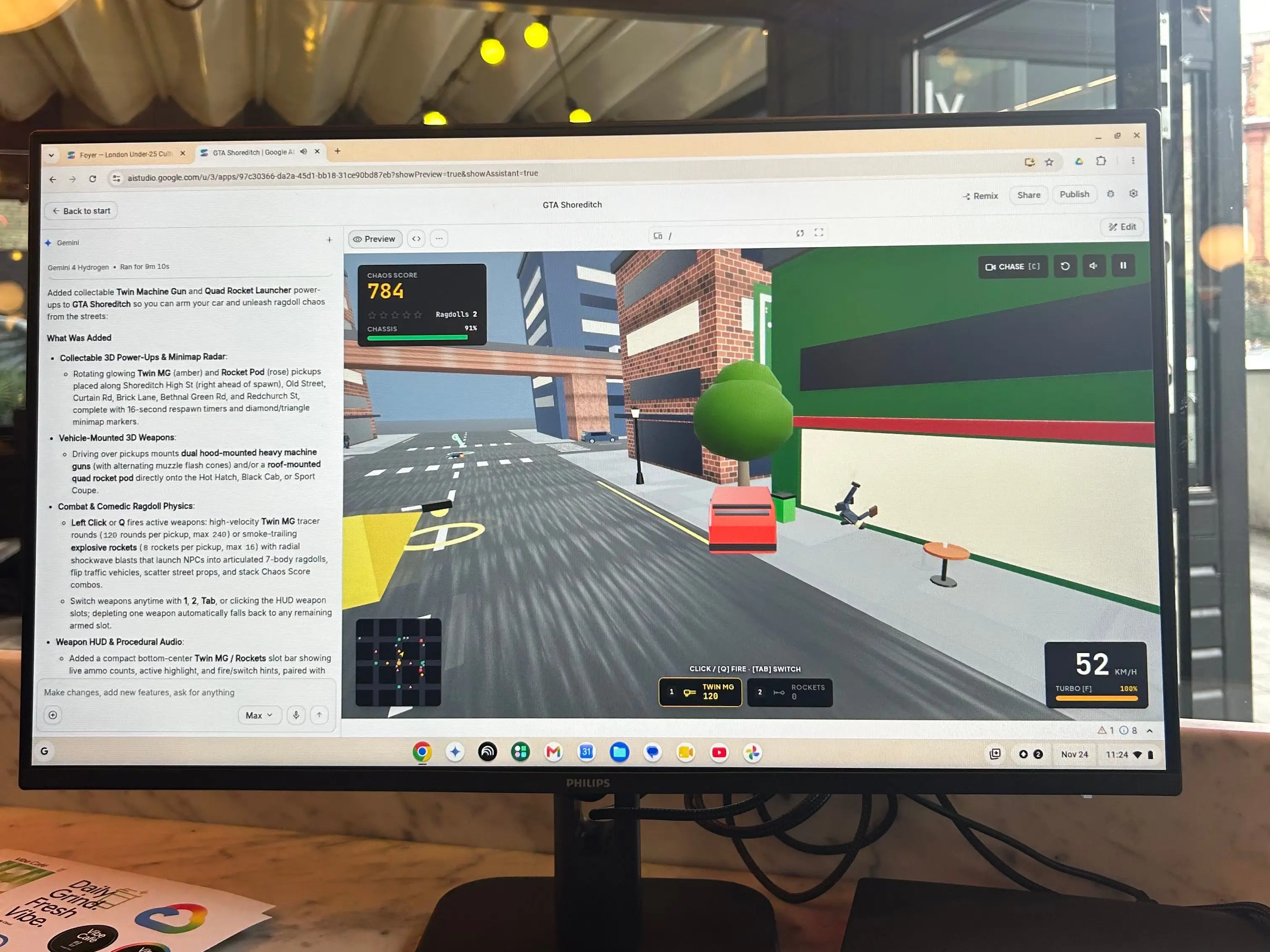
After describing my ideal design — my Bernedoodle, Frank, in New York City — I wandered over to a Googler and said I’d want an app that tracks theater and art exhibits, with a focus on discounts for young people. As Gemini worked, she showed me what others had made, including a wealth simulator, a London carol guide, and a Shoreditch-themed version of “GTA 6.” The Vibe Café features a paid Gemini model, potentially as part of an effort to hook people on the best version of the tool.
Around five minutes later, the first version of my beta app was done. I could filter by neighborhood or event type, review details about the release timing and accessibility, and click direct links to ticket pages.
In the month or so that I’ve been a tech reporter, I’ve hardly vibe coded, finding it unreliable and depressing as we spin farther away from Earth’s analog axis. Yet I was initially amazed by the results — I planned to get tickets, found by the app, to “The Importance of Being Earnest” at the National Theatre for around $6.50.
Looking into it a day later, though, the show doesn’t exist; it ran the past two winters, and is now only available to stream. The café nearly hooked me on vibe coding, but only ended up reinforcing my doubts. Google, like its rivals, provides a disclaimer on its products: AI can make mistakes.
Like me, many people who walked in don’t have much experience with vibe coding, the Google employee said. She said the pop-ups average more than 1,000 people a day, and when I returned around 4 pm, an employee standing outside estimated around 1,300 had stopped in so far.
Mantis, a 31-year-old photographer, said he uses AI to organize his thoughts, but he doesn’t support it in art— this while holding a hazelnut latte with an AI-generated squirrel gripping a camera. He said he’d asked just for a camera design, but the art generator, which the Google employee said was itself vibe-coded, added the squirrel. (I’d previously been told that animal designs were particularly popular this day.) Mantis doesn’t plan to start vibe coding, but said he’d experiment with the technology on a “lazy day.”

Ese Bobori, 44, used Google’s tools to build his audiobook startup, partly through vibe coding. He said the café is a good way to introduce people to the technology, gesturing toward an elderly couple ordering their drinks.
Two of the AI novices in the café were Stuart and Richard, down from Yorkshire for an event for their firefighters’ charity, which had recently adopted an underwhelming new logo. They didn’t know vibe coding was part of the event, but I later saw Stuart and a Google employee huddled over a computer screen, their faces illuminated by logo options.
Stuart seemed to leave the cafe with more confidence in the tool than I have now, after realizing the show I wanted to see doesn’t exist. He said he plans to mention how vibe coding can help with advertising at his charity’s meeting, which feels like the kind of outcome Google would be hoping for.
Read the original article on Business Insider
The post Google printed my dog’s face on coffee to convince me to vibe code — and it almost worked appeared first on Business Insider.