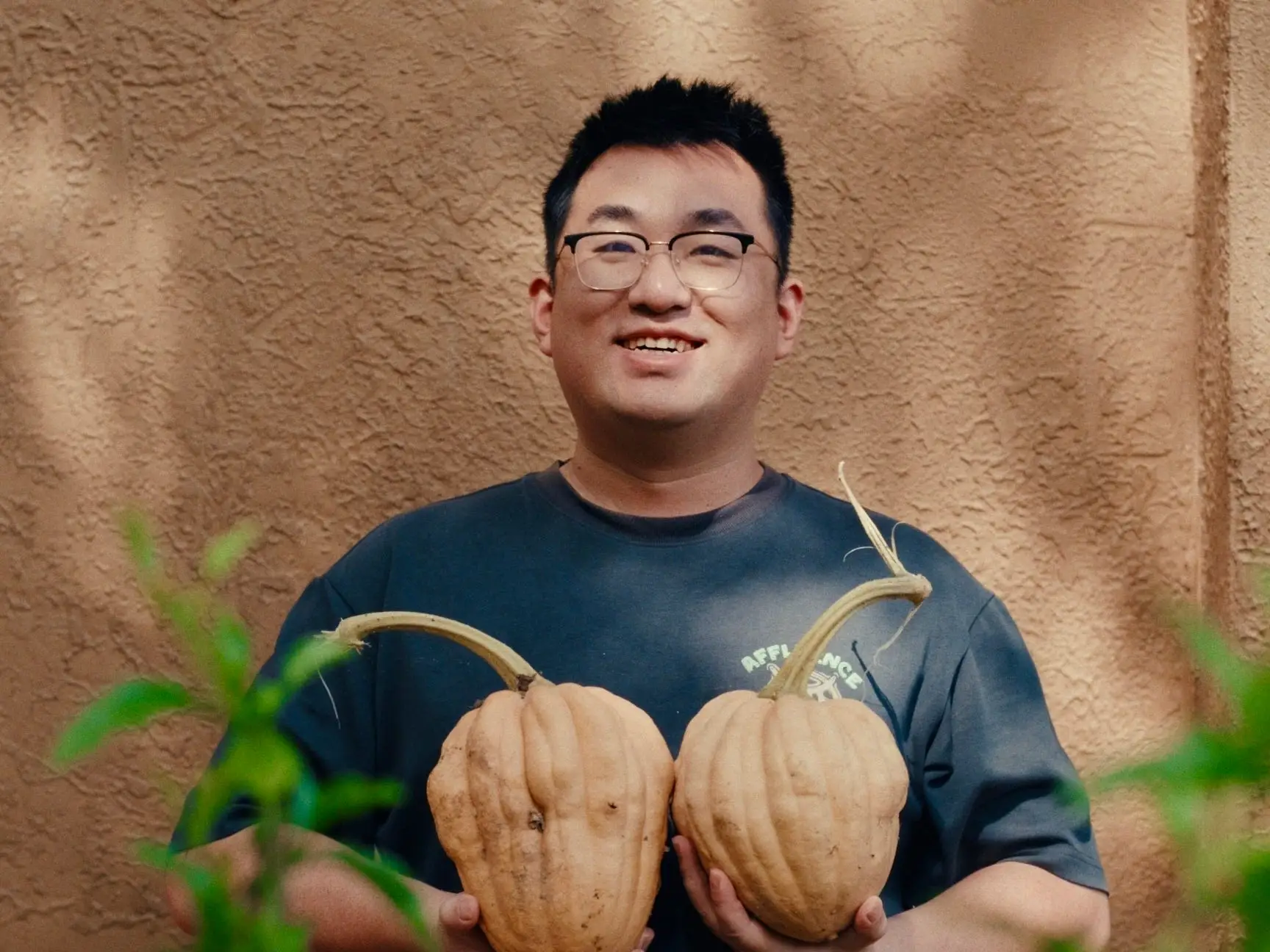
This as-told-to essay is based on a conversation with Zhu Guanlin, 32, head chef and owner of Plum, a restaurant in Dali, China. It has been edited for length and clarity.
During my final year studying engineering in China, I was in a constant state of anxiety as I prepared to pursue a master’s degree.
Near where I lived was a small morning market by the river. In China, the northeast is cold, so all the seafood and freshwater fish were laid out in the open, frozen solid. There were freshly slaughtered pigs, and steam still rising from the meat.
As people gathered for breakfast, I’d smell deep-fried foods mixing with the scent of bean-flour flatbreads. The air felt alive with the warmth of daily life.
It wasn’t just the act of cooking that I loved, but the stories behind the food. Why do people in Sichuan eat spicy food, for instance? It’s because of the humidity. I realized that by becoming a chef, I could learn it all.
Breaking away
I was 21 when I received two acceptance letters: one to study electrical engineering at a university in Virginia, and the other from the Culinary Institute of America. Going back to my grandfather’s generation, everyone in my family had been an electrical engineer. I was the first to break away from that path.
My decision to go to culinary school was a shock to my parents. I hadn’t told them that I’d applied. The idea of being a chef felt foreign to them, and they didn’t consider it a stable career.
I moved to New York City in 2019 for a two-year associate degree program. My tuition was nearly $40,000 a year. My parents paid for the first year, but I didn’t want to continue taking money from them. I started working, and with the help of a scholarship, I paid for the rest of my time abroad myself.
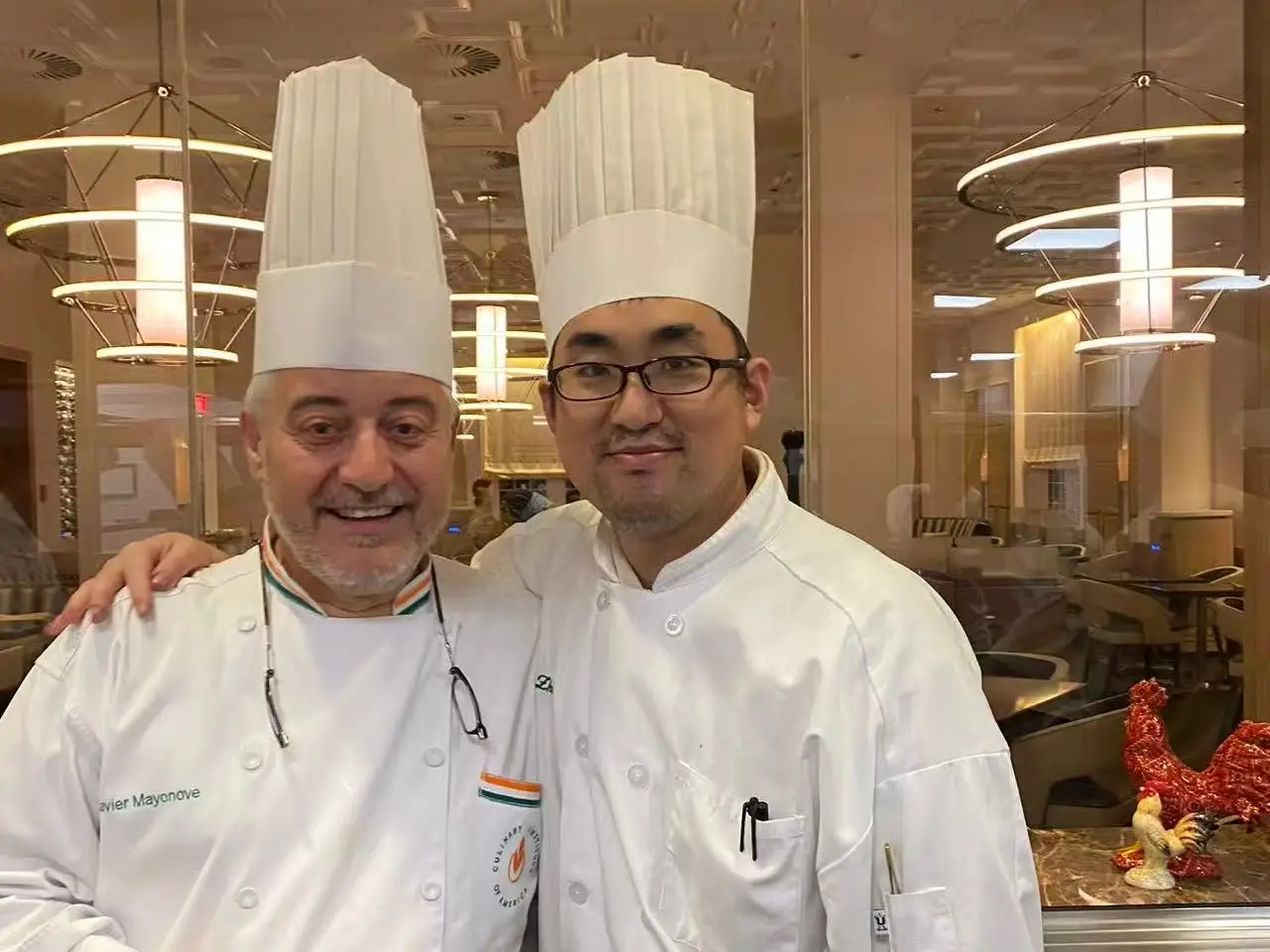
My school is often called the West Point of the culinary world
I met a lot of classmates who were retired Special Forces soldiers or Army infantrymen. We joked that we could only use three phrases: “Yes, Chef,” “No, Chef,” and “I will do better, Chef.”
The school allowed internships through Curricular Practical Training (CPT), so I was able to work legally in the US. After finishing two semesters, I spent the third working in restaurants, taking on multiple jobs.
After graduating, I did stints at various Michelin-starred restaurants, first in New York and later in San Francisco.
During my time in the US, the highest position I reached was chef de partie, the supervisor of a specific station.
My OPT visa was set to expire in about six months
I also realized that unless I became a sous chef or chef de cuisine, I wouldn’t grow professionally. After seeing the realities up close, Michelin restaurants also lost their aura of mystique.
The things I truly cared about, like the culture behind cuisine, were rooted in China.
At the end of 2023, a classmate of mine opened a restaurant in Dali, a city in southwestern China’s Yunnan province, and I went to help co-manage it. Business was quiet at first, but after about six months, it took off.
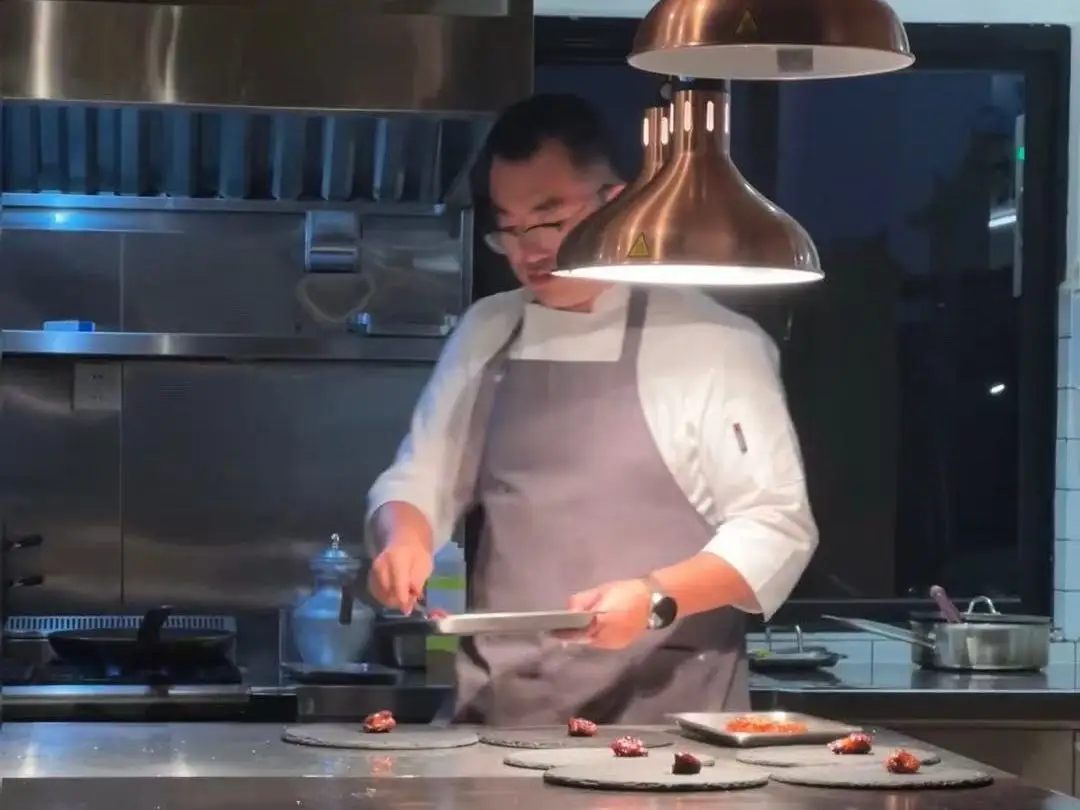
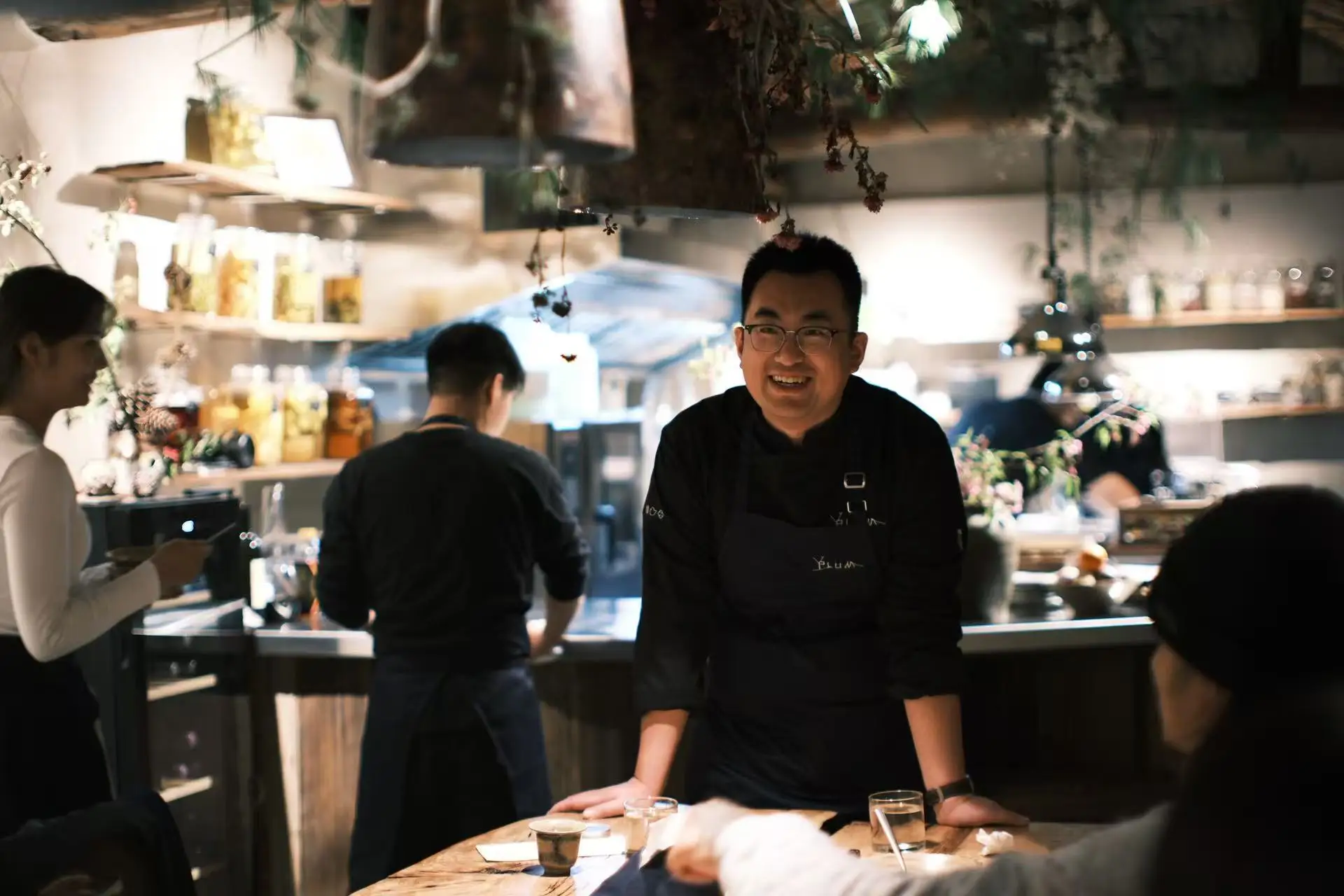
But I wanted to open a restaurant of my own, so I left. In February 2025, I opened Plum in Dali, investing 400,000 Chinese yuan, or about $60,000. The restaurant is set in a courtyard, and we have 35 seats in total. The team has grown from four to 10 employees.
We don’t define ourselves as either Chinese or Western. A single dish might combine Western components, Chinese techniques, and Japanese or Italian influences. I’ve made a focaccia that incorporates a French-style sauce, then topped it with sautéed porcini mushrooms, Chinese-style.
Lately we’ve been fully booked every day. Based on my current calculations, it’ll take about four or five years to break even.
Making peace with my parents
My parents have realized that being an engineer isn’t the only career path.
I realize now that back then they were afraid I’d have a hard life. Once I understood that, communicating with them became more relaxed. They even helped fund my new restaurant.
New York City was the most diverse city I’ve ever lived in, where you can find the culture of virtually every ethnic group. That’s something I miss. I don’t miss some of the Michelin restaurants, though. Sometimes, it felt like they were trying to force a narrative onto their menus.
In China, I find kitchen culture can sometimes be cliquey. The master-apprentice system is still dominant, and people can sometimes form groups based on clan ties or local culture, rather than welcome newcomers.
I’m still exploring what kitchen culture should look like. Restaurant staff in China typically get four days off a month. I give everyone two consecutive days off each week, plus compensatory time off for holidays. When chefs are overworked, they lose focus.
The atmosphere was quiet and orderly at school in New York and in many of the Michelin-starred kitchens I worked at. When I first returned to China, I demanded the same from my own staff. But then, at one point, I realized that it wasn’t necessary. When people feel a sense of cohesion and genuine appreciation for their work, they naturally take initiative.
Read the original article on Business Insider
The post He chose culinary school in New York over a master’s in engineering. Now he runs his own restaurant in China. appeared first on Business Insider.