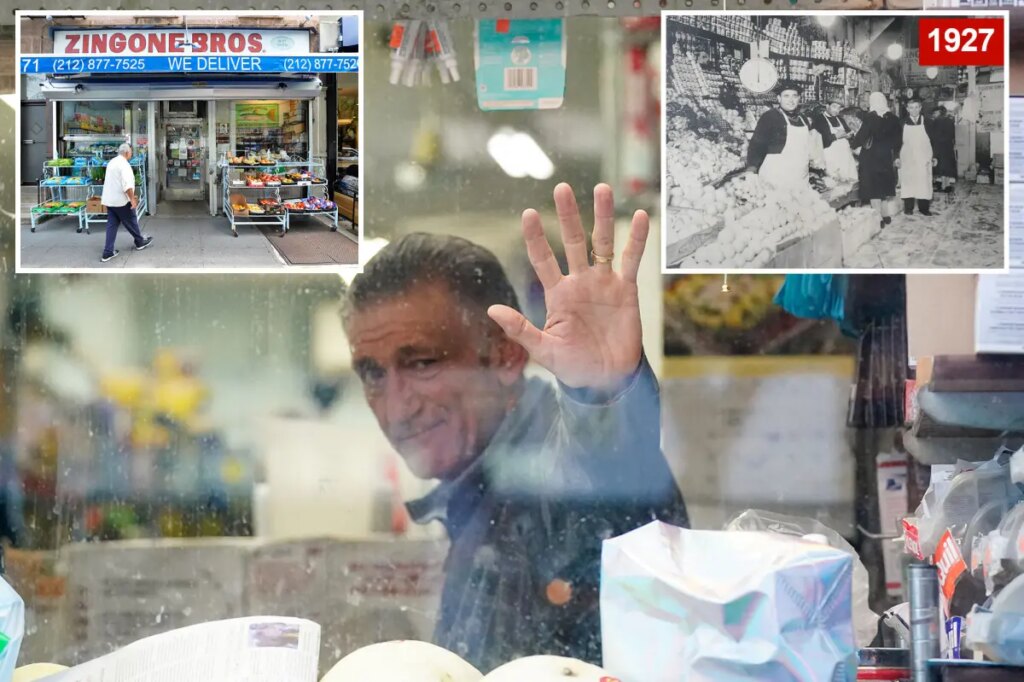
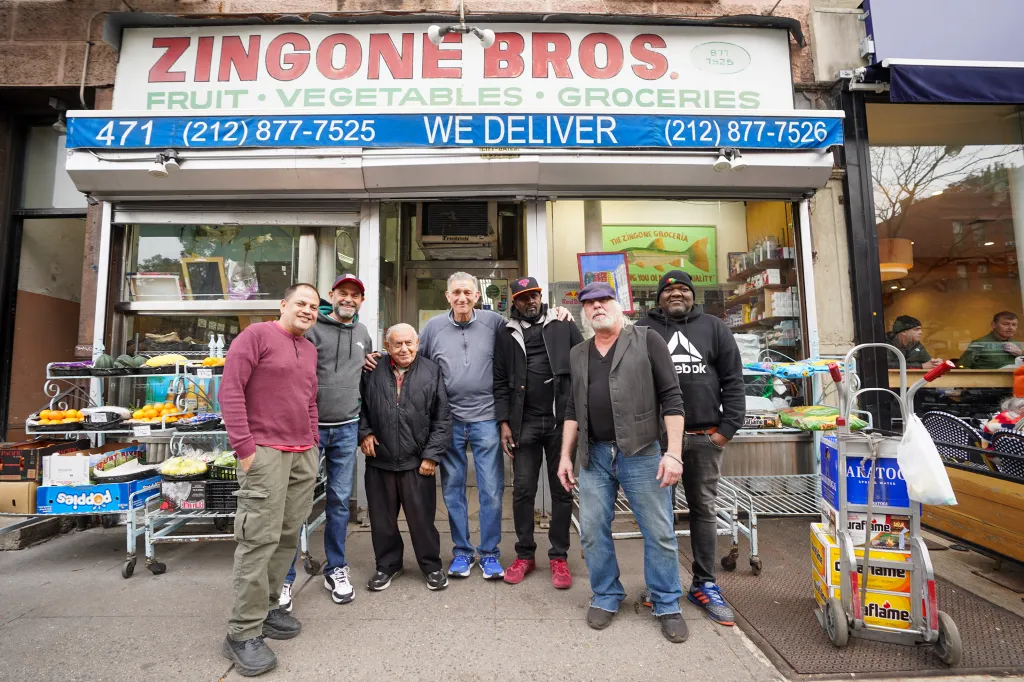
For nearly a century, Zingone Bros. — the beloved family-owned grocery store staple on the Upper West Side — had been a neighborhood stalwart in an ever-changing Big Apple.
“When you needed them the most, they were here. It’s an old school throwback,” said longtime customer Larry Farina, who has been coming to the store since 1995.
Farina, now 70, remembers a time when he first moved to the neighborhood and he forgot cash to pay for his groceries. Instead of turning him away, Zingone’s went with a fading New York City tradition: starting an honor system tab.
Advertisement
“They wrote it on a paper bag and said, ‘See you later.’ It’s a first name basis. It’s our ‘Cheers,’” Farina said, referring to the 1980s NBC sitcom.
After 99 years, Zingone Bros. — a favorite spot of comedian Jerry Seinfeld — announced that it would close for good at the end of the month, joining the ghosts of other beloved locally owned NYC institutions that have sadly become little more than memories.
Advertisement
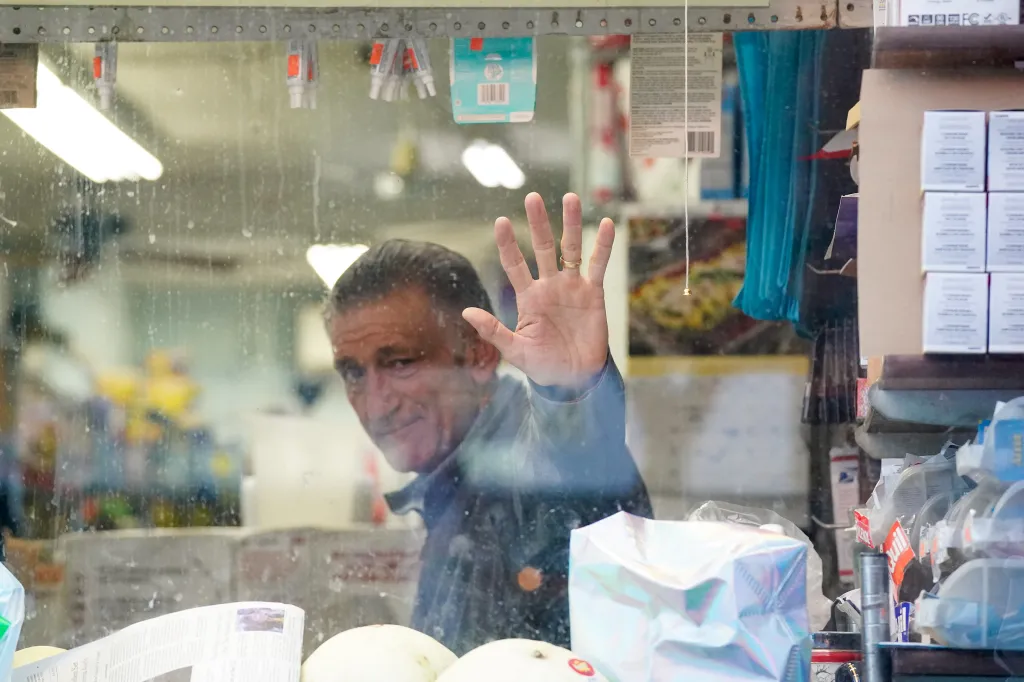
“The crew wants to retire. We are going to miss the neighborhood,” Bronx resident and owner Nicholas Zingone, 91, told The Post from behind the cash register.
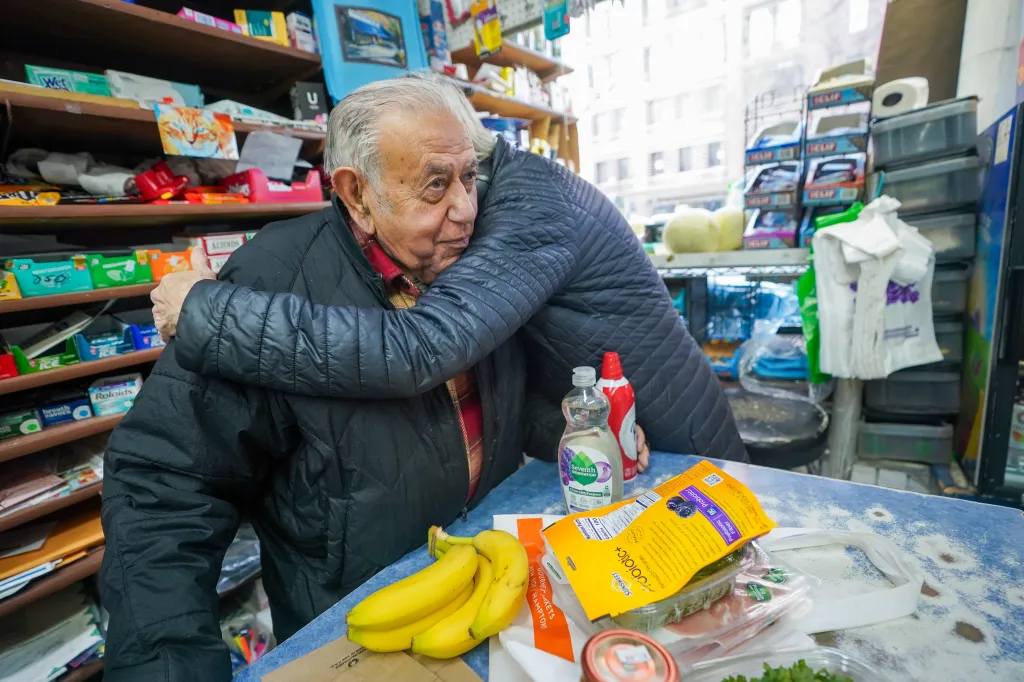
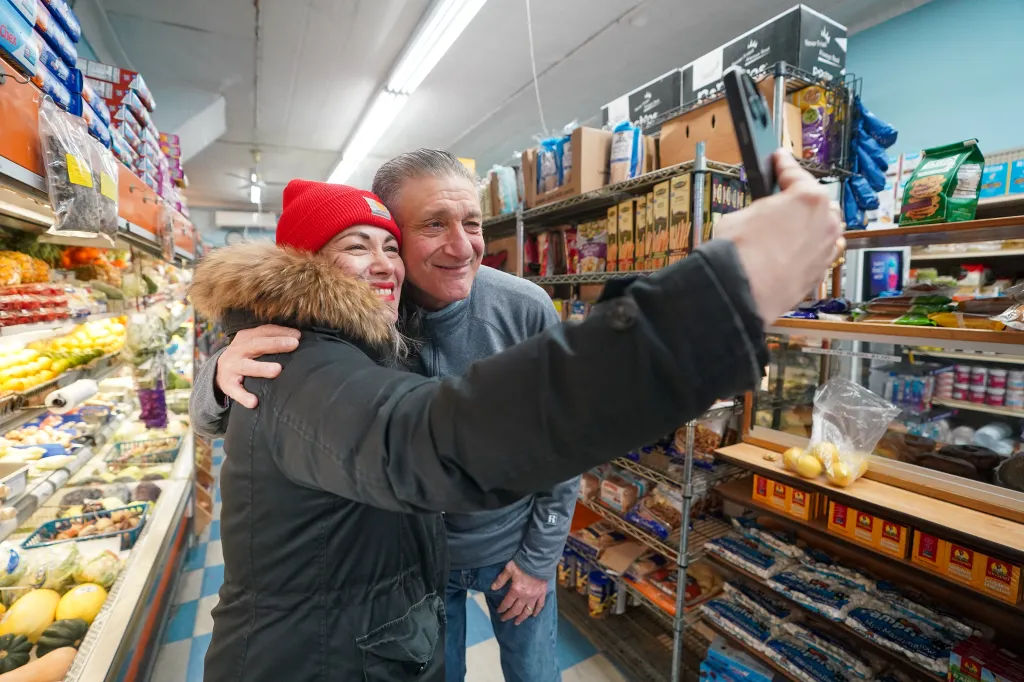
Since its closing announcement earlier this week, longtime customers have flocked to the store to say a final goodbye to the Zingone family, giving hugs or taking pictures with the staff.
Some were even moved to tears.
Advertisement
“I was born and raised in the city and I’ve slowly seen everything disappear, but I always said, “You guys are here,’” Sarah Handsen, while wiping away tears from her eyes, told co-owner Dominick Zingone.
The loss of another Big Apple institution comes as the city faces a plague of empty storefronts, with 16,000 vacancies across the five boroughs, according to a new report from city Comptroller Mark Levine.
The family-owned Zingone’s — located on Columbus Avenue at West 82nd Street — was founded in 1927 by Italian immigrants and has seen many customers through its nearly 100-year run, including celebrity favorites like Seinfeld, tennis legend John McEnroe, and actors Ally Sheedy and Kevin Bacon.
But it’s the everyday New Yorkers who were left mourning the loss of the longtime, independent business — like others that have quietly disappeared only to be replaced with supermarket chains like Whole Foods and Trader Joe’s.
Advertisement
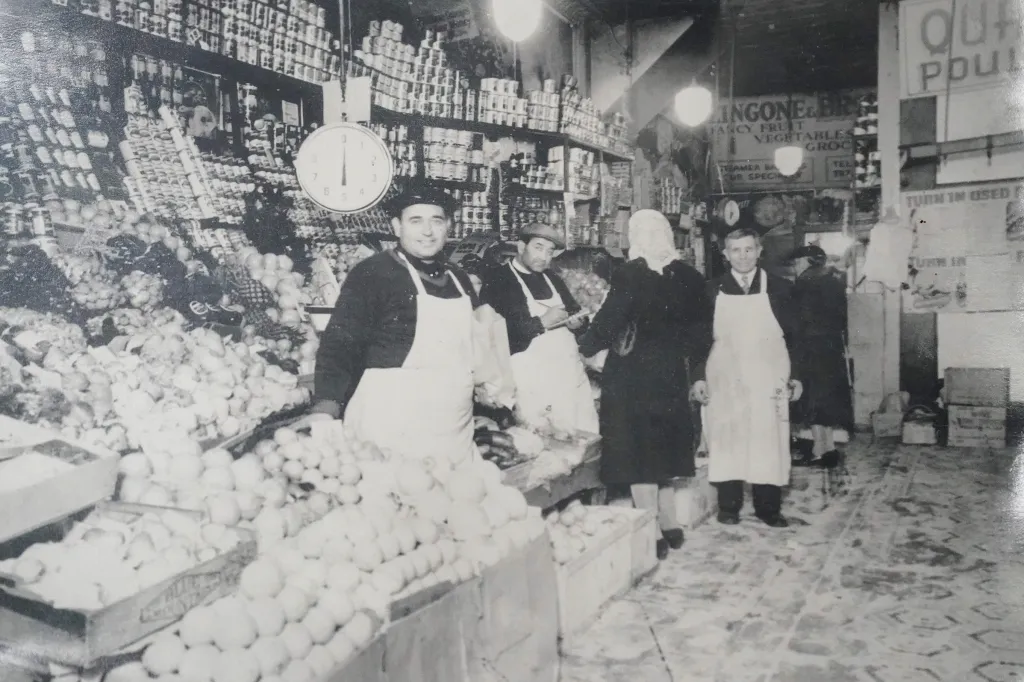
“We are the last of three people: the Zingones, the Zabars and Barney Greengrass. I can’t think of anybody else who has been in this neighborhood for that long,” said Dominick Zingone.
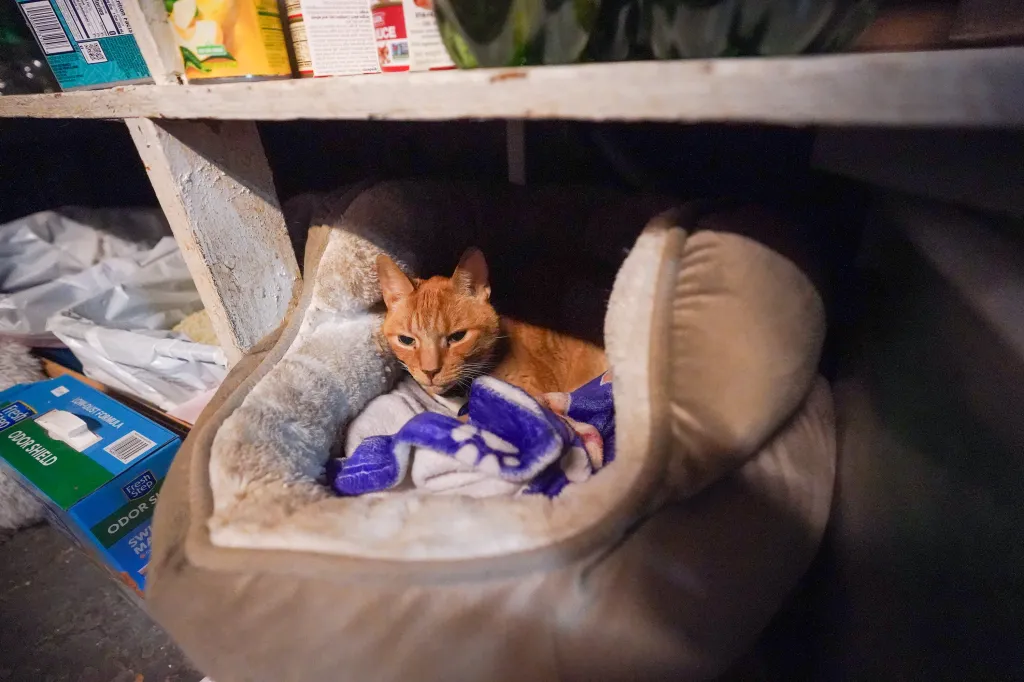
Customer Shaheena Noorie, a caretaker on the Upper West Side, stopped by and raced to the back stockroom to visit Oliver, a beloved orange tabby — now up for adoption — that appeared in an Olivia Rodrigo music video that was shot in the store.
“It’s different. It’s family, it’s welcoming. If you don’t want to pay today, you pay tomorrow. It’s so different than all the other stores,” Noorie said.
Advertisement
Local business owner Justine DiConstanzo, 62, who said she has been coming in for decades, echoed that it’s the family aspect that she will miss too.
“It’s sad — it’s really sad because all the mom and pop shops are disappearing from Manhattan,” DiConstanzo said. “It’s famiglia. You walk in the door and everyone says hello. Now with a world of virtual everything and digital, and everyone’s on cellphones, you don’t have a connection with people.”
The Zingones said that keeping the business is too big of a feat to maintain by themselves, and that differing lifestyles — between commutes and just wanting to relax and enjoy retirement — are the reasons for closing.
Advertisement
But people like Bill Fair, an Upper West Side resident for 34 years, recognize that neighborhood establishments like Zingone’s are more than just a place to grab groceries.
“We need more places like this neighborhood establishment where people can grow and gather. It’s what makes the community,” Fair said, comparing Zingone’s to the old school cobblers of New York City.
Advertisement
“These are the places that make New York,” he said.
The post NYC institution where Seinfeld was a regular calls it quits after nearly 100 years appeared first on New York Post.