The hepatitis B vaccine has been an unambiguous success. Since it was first made available in the 1980s, early childhood infections of the virus have fallen from more than 25,000 a year to less than 100 reported cases in 2024. Now, however, the country could be on track to reverse that progress.
That’s according to a recent analysis published in the Annals of Internal Medicine that modeled the consequences of the decision by the Centers for Disease Control and Prevention last year under Health Secretary Robert F. Kennedy Jr. to scrap the recommendation that all newborns receive their first dose of the shot within 24 hours of birth.
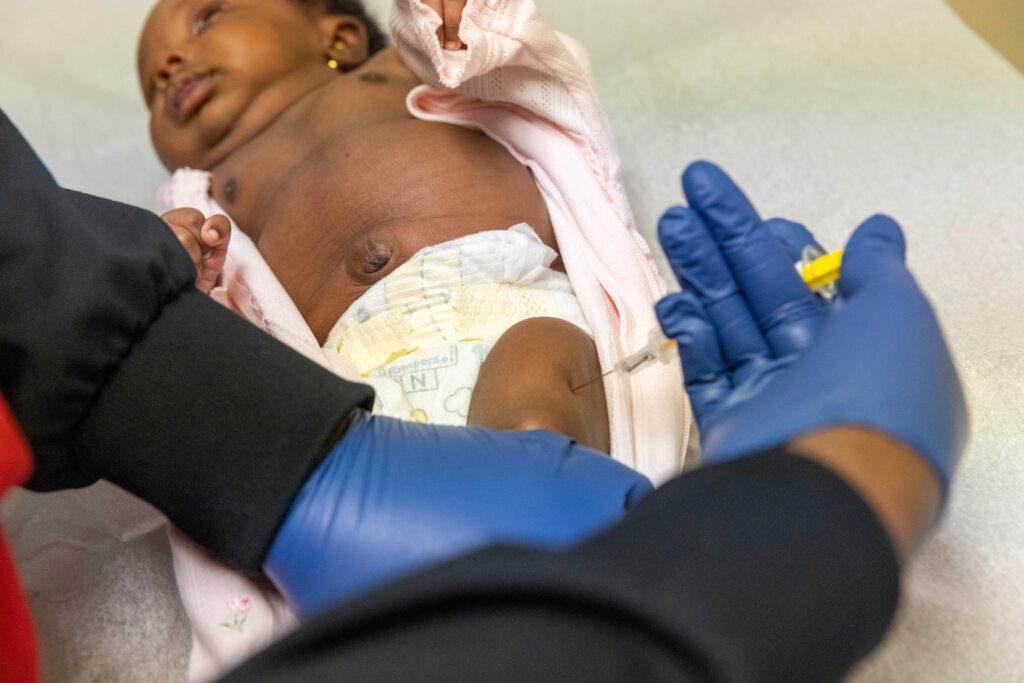
That guidance, which had been in place since 2018, served two main purposes: First, it helped prevent newborns from contracting the virus from their mothers. Although all pregnant women are supposed to be screened for the virus, only about 84 percent receive testing due to gaps in prenatal care. Second, it provided early protection against other sources of exposure, such as from members of their household who may not know they have the virus, which is highly transmissible through blood, saliva and other bodily fluids.
Children who contract hepatitis B at birth have a 90 percent chance of developing chronic infection. The universal birth dose has been remarkably effective, with no credible evidence of safety concerns.
Yet in December 2025, the CDC’s vaccine advisory panel, handpicked by Kennedy, voted to end the birth-dose recommendation, urging parents to delay vaccination until at least two months of age. A month later, the CDC removed hepatitis B from its list of routinely recommended childhood vaccines, asking families to instead engage in “shared clinical decision-making” with their doctors. (A federal judge has since stayed those changes over questions about the legality of Kennedy’s appointments.)
The Annals study, one of several papers examining the potential impact of the policies, projected that delaying the birth dose until two months of age would result in fewer children starting and completing the vaccine series, increasing chronic hepatitis B infections by 19 percent. The shared decision-making approach, which would lead to more children never being vaccinated, would increase chronic infections by 83 percent.
The study’s lead author, Amir Mohareb, an infectious disease physician at Mass General Brigham in Boston, told me the harm of these policy changes would worsen over time. After 20 years, an additional 1.5 million young adults would lack protection against hepatitis B, leaving about half of that generation susceptible to infection.
“As they grow into adulthood and they’re not immunized, now they have a whole adult life worth of potential exposures,” he said.
Mohareb emphasized that people are often diagnosed only after they develop serious complications. This means babies whose parents decline vaccination could grow into adults who contract the virus through sexual activity or household exposures, such as sharing razors or toothbrushes with someone who is infected. They could then become silent carriers who unknowingly transmit the virus to others, fueling further spread.
This elevated risk comes with profound consequences. Those who are infected at birth have up to a 25 percent lifetime risk of developing liver cancer. Many develop cirrhosis, or scarring of the liver, which can cause severe bleeding, multi-organ failure or death. Those who contract the virus as adults might face these complications, too, as well as acute liver failure, which can require an emergency liver transplant.
“It really is a devastating disease,” Mohareb said. “Vaccinating is such a smart and effective way to prevent our population from this amount of suffering.”
Major medical organizations, including the American Academy of Pediatrics, American Academy of Family Physicians and the American Medical Association, have pushed back against the CDC’s changes and issued their own guidance that affirms the hepatitis B vaccine birth dose. But these advocacy efforts may not be enough. Even before the CDC changed its recommendations, birth-dose vaccination rates were declining: A JAMA study in February found that they had fallen from more than 83 percent in 2023 to just 73 percent in 2025.
Mohareb told me that his colleagues around the country are increasingly encountering parents who decline the vaccine. Some are also declining vitamin K shots, which protect newborns against life-threatening bleeding such as severe brain hemorrhage. He worries that growing distrust of medical guidance could result in more families declining other routine childhood immunizations that have protected generations of children.
Decades ago, these vaccines were celebrated as public health miracles. How tragic that we now willingly forgo their benefits in the name of making America healthy again.
The post It’s not just measles. RFK Jr.’s vaccine policies could bring back another disease. appeared first on Washington Post.