Cost-of-living crisis be damned, Gov. Newsom and the California Legislature sure do love raising taxes — and many Californians are fed up.
California shoppers in 10 regions will begin paying shockingly high sales taxes next year after legislation driven by Democrats and signed by Newsom gave certain communities the ability to charge as much as 12% on everyday purchases.
The higher taxes are expected to total as much as $103 million annually and will likely come as a shock to customers when they kick in next spring.
Advertisement
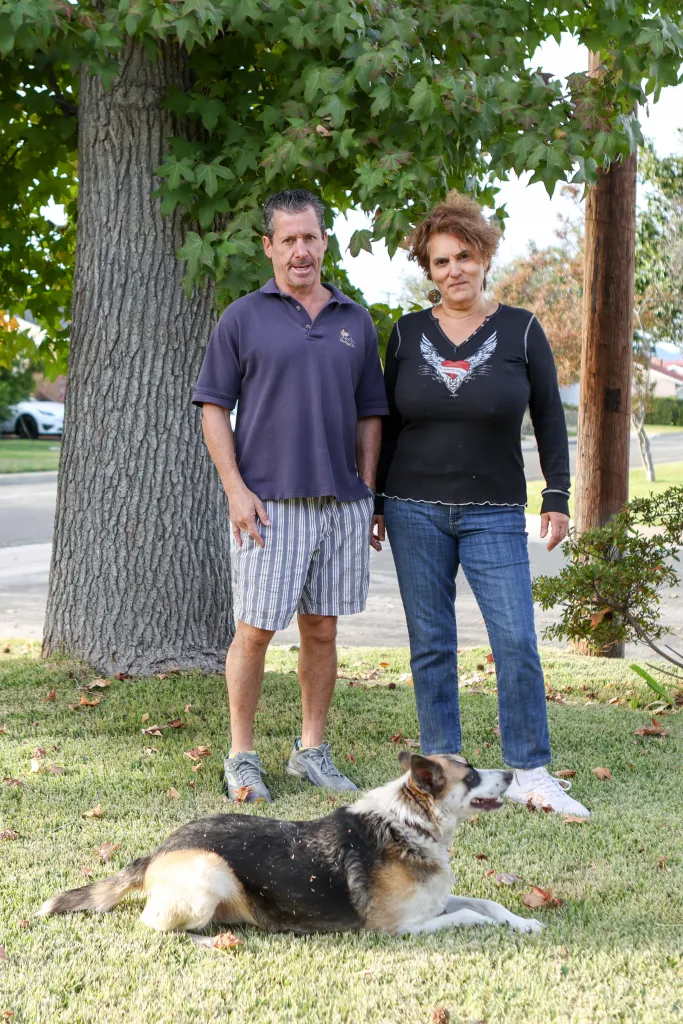
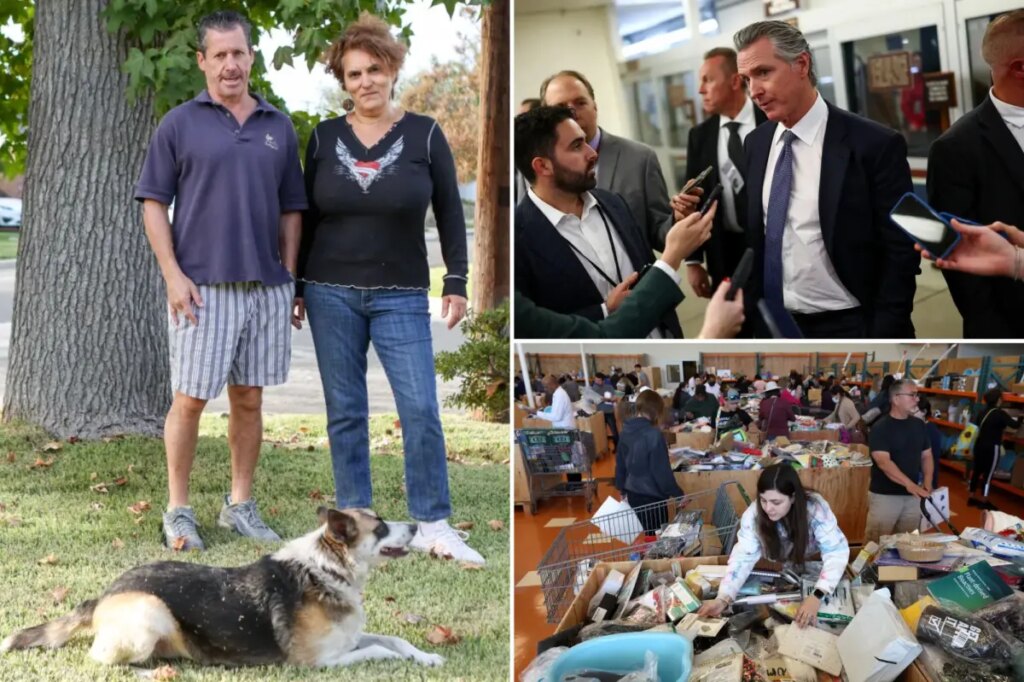
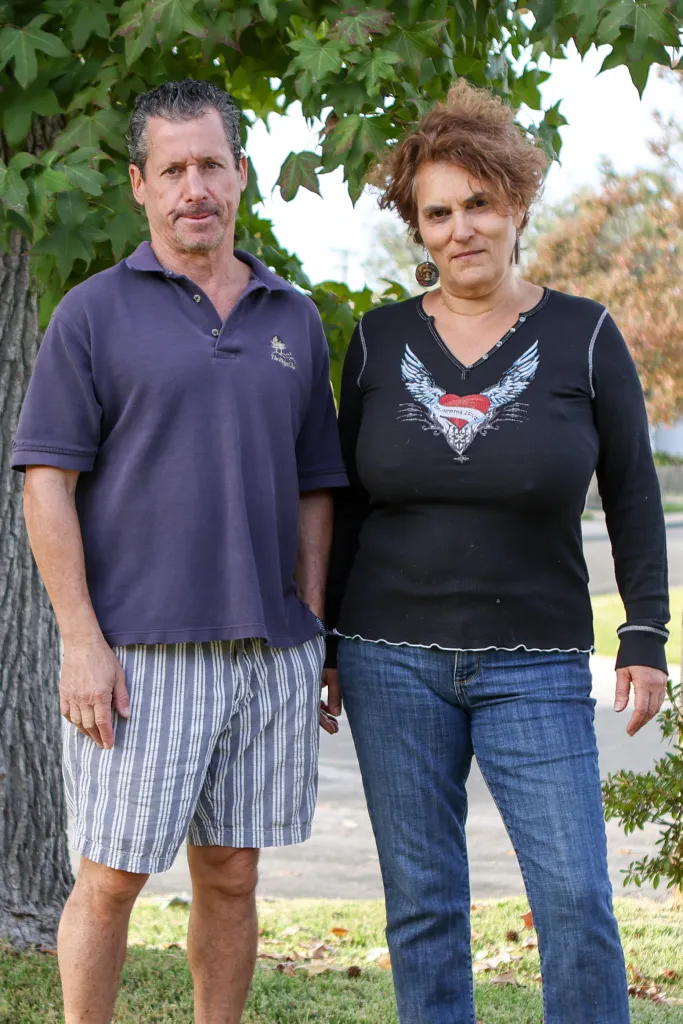
Kenny Ossen, a longtime resident of San Gabriel, just east of Los Angeles, blasted the city’s decision to raise its sales tax to 12%, arguing that government waste and mismanagement are forcing residents to fork over more money.
“The first thing I think of: greed or mismanagement,” Ossen said, adding that the higher tax would encourage shoppers to take their business to neighboring cities.
Advertisement
“You can drive and get some stuff. It’s a small tent. OK, I want to buy a refrigerator — go to the next tent. I want to buy cereal — go to the next tent. If I want to go to a $200 dinner — sorry, Mr. business owner, restaurant owner: You’re screwed.”

During the late summer, the Legislature passed Senate Bill 762, giving 11 cities and two counties special permission to exceed California’s longstanding 2% cap on combined local sales taxes. Newsom signed the measure Aug. 17, clearing the way for local governments to seek voter approval for higher rates.
The governor’s autograph was a gateway to a final decision, as 10 of the 13 jurisdictions covered by the new law voted to raise sales taxes in the Nov. 3 election, with the increases expected to take effect in April 2027.
Advertisement
“When consumers start seeing a double-digit sales tax on their receipts, it might raise some alarms,” David Kline, a spokesman for the California Taxpayers Association, told the California Post.
He warned that shoppers are becoming increasingly outraged by “just how high taxes are getting in many parts of the state.”
The Governor’s Office did not respond to the California Post’s request for comment on why Newsom signed off on the tax hikes during an affordability crisis.
Advertisement
The tax hikes — ranging from a quarter-cent to a full cent on every taxable dollar spent — will hit shoppers in Hercules, Carpinteria, Santa Maria, Palo Alto, Santa Rosa, Rohnert Park, Pacifica, San Gabriel and San Pablo, as well as Santa Cruz County.
The increases could cost a family of four spending $25,000 on taxable purchases an additional $62.50 to $250 a year, depending on where they live and shop.
But the financial hit becomes substantially larger on major purchases.
Advertisement
Someone buying a $30,000 car would pay an additional $75 in Carpinteria, $150 in Palo Alto, Santa Rosa or Santa Maria, and a whopping $300 more in San Gabriel, Pacifica or Hercules, based on the vehicle’s registration location.
In San Gabriel, east of Los Angeles, voters approved a full-cent increase that would push the city’s combined sales tax from an already steep 11% to a crushing 12%. That means $3,600 in sales taxes alone on a $30,000 vehicle.
Mike Netter, a conservative media commentator who ran unsuccessfully this year for a state Senate seat representing San Gabriel and other parts of Southern California, told the California Post that residents in the east Los Angeles suburb should be wary about seeing their sales tax increase to an effective 12%.
Advertisement
“The money doesn’t really go into what the headlines say, it goes into the general fund a lot of the time,” Netter said.
“People are really ticked off about it,” he added. “They don’t understand why sales taxes are raised and why their fees keep going up.”
The California Post previously reported that former Assembly Republican Leader Heath Flora and GOP Caucus Chair Juan Alanis infuriated Republicans by breaking ranks to support SB 762, casting two crucial votes that helped Democrats secure the two-thirds majority needed to authorize higher local sales taxes.
Kline argued that local governments have become adept at persuading voters to approve higher taxes by emphasizing popular services while minimizing the impact on their wallets.
Advertisement
“Almost all the ballot measures start out with a list of things that taxpayers would like,” he said, pointing to promises to improve roads, enhance public safety and modernize infrastructure.
He said the cost frequently gets slipped in near the end of the ballot question.
“Voters might not be considering the full extent of the cost,” Kline said. “And many local governments use their websites and even mailers to send very positive-sounding messages to voters right before the election — that has an influence as well.”
Advertisement
The biggest projected revenue increases include Santa Cruz County’s five-year, half-cent sales tax, expected to generate $27 million annually, and Santa Rosa’s decision to double its existing half-cent city tax to a full cent — creating approximately $23 million in additional annual revenue.
Palo Alto voters narrowly backed a half-cent increase expected to raise $15.6 million annually, while Santa Maria approved a similar increase projected to generate $13 million.
Pacifica and Hercules also approved full-cent increases, potentially pushing their combined rates to 10.875% and 10.25%, respectively. The three cities expect to collect a combined $16.1 million annually in additional revenue.
Supporters of the new taxes maintain that additional revenue is necessary to preserve essential public services amid mounting financial pressures in the face of federal funding cuts.
Advertisement
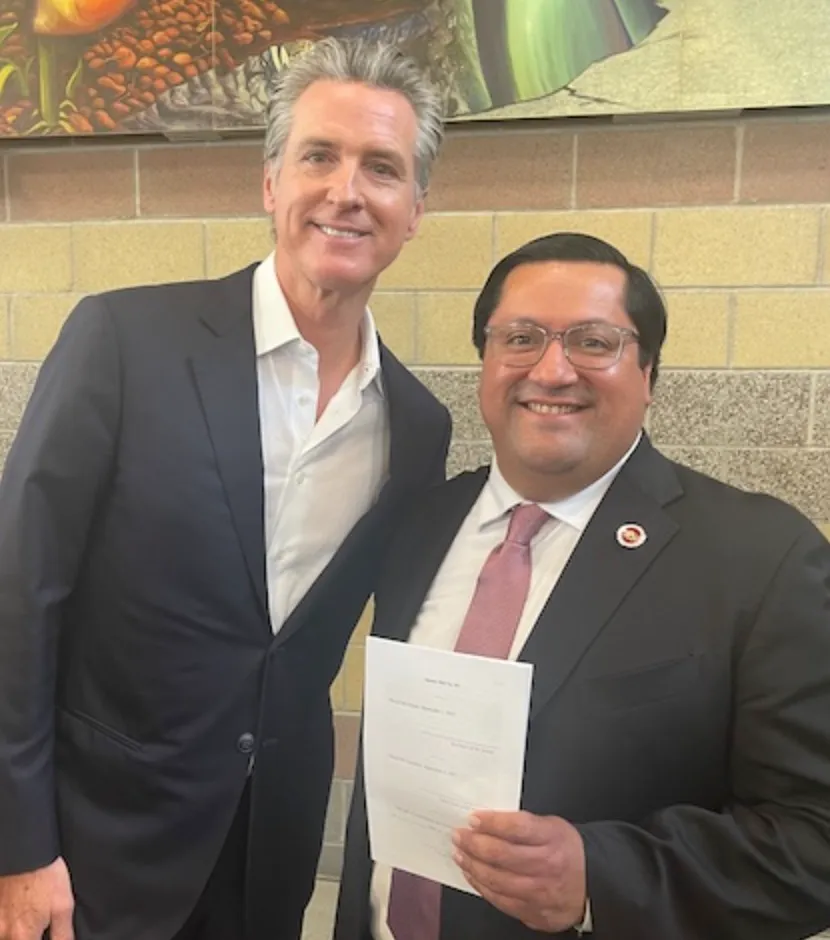
State Sen. Jesse Arreguín, who represents parts of the East Bay and authored SB 762, defended the sales tax increases as necessary to make up for a variety of shortfalls.
“SB 762 addresses fiscal pressures facing cities and counties across the state, driven by federal cuts, rising costs of health care and public safety, as well as the need to maintain and modernize aging infrastructure,” Arreguín said in a statement to the California Post.
“That’s why the bill was supported by police officers, firefighters, and health care workers. SB 762 democratically empowers voters with the ability to decide for themselves whether additional revenue tools are appropriate for their communities.”
Advertisement
The latest round of tax increases comes as Californians continue to grapple with a cost-of-living crisis that already makes the state substantially more expensive than the rest of the country.

An October report by the Transparency Foundation calculated that a hypothetical middle-class California family of three earning $130,000 annually faced a $33,439 annual “Cost-of-Living Penalty” in 2025 compared with paying national average prices for housing, utilities, groceries, transportation and other expenses.
That amounts to nearly $2,787 in additional monthly expenses under the foundation’s model.
San Gabriel’s sales tax is set to soar to 12% — eclipsing major cities like Seattle (10.55%), Chicago (10.5%) and New York City (8.875%). Pacifica’s new rate would climb to 10.875%, while Santa Rosa’s 10.5% would match Chicago.
Meanwhile, Hercules, Palo Alto and Rohnert Park in the Bay Area would see their combined sales taxes jump to 10.25%, matching Los Angeles’ current rate — a levy that could cost some households up to an extra $1,000 a year.
The new sales taxes could further exacerbate the cost-of-living crisis, as a survey in May by the Public Policy Institute of California found that 54% of California adults reported financial hardship because of recent price increases, while 65% said higher gasoline prices had affected their finances. California also has the highest gas taxes.
According to an updated California Taxpayers Association tally, voters considered more than 300 local tax measures in November. Preliminary results showed the vast majority of them passing.
“We’ve seen local taxes going up during good times and bad,” Kline said, adding that California’s increasingly strained public finances are unlikely to slow the demand for additional revenue. “It’s very rare to see a tax decrease proposed at the local level or the state level.”
Ossen and his girlfriend, Bonnie Wallace, say they have had enough.
“It affects my principles, my morals,” Ossen said.
Wallace, who lives in Pasadena, was equally critical, accusing local governments of squandering taxpayer money while repeatedly demanding more.
“There’s just so much waste, fraud, and abuse in government spending,” she said. “Raising the taxes every year is not exactly surprising — but it is horrible.”
Download The California Post App, follow us on social, and subscribe to our newsletters
California Post News: Facebook, Instagram, TikTok, X, YouTube, WhatsApp, LinkedIn California Post Sports Facebook, Instagram, TikTok, YouTube, X California Post Opinion California Post Newsletters: Sign up here! California Post App: Download here! Home delivery: Sign up here!Page Six Hollywood: Sign up here!
The post California shoppers face brutal tax shock after voting for $103M in hikes: ‘Greed or mismanagement’ appeared first on New York Post.