Somewhere near you, a barely used drill, a solid oak dresser and a like-new winter coat are waiting for a second owner. If no one takes them, they’ll join the mountain of stuff sitting in landfills or shipped overseas each year, as factories churn out more. But by buying secondhand, you can help prevent that churn — and save lots of money.
There’s no shortage of ways to find and buy used goods: local message boards, websites and apps, friends and neighbors, yard and estate sales, and thrift and consignment stores. General online marketplaces hawking used goods include Amazon Resale, Craigslist, eBay, Etsy, Facebook Marketplace and OfferUp. (Amazon Executive Chairman Jeff Bezos owns The Washington Post.)
Here’s what to know before you shop.
Best practices
Prevent buyer’s remorse by inspecting the item before you buy it (though this often isn’t an option when shopping online). If you receive something that doesn’t work or is in worse condition than advertised, you may not have recourse, depending on where you bought it and how you paid. Using a credit card will allow you to dispute the charge if there’s a problem. (Amazon, eBay and PayPal offer dispute-resolution services.)
But if you pay a private seller using cash or a payment app like Venmo or Zelle (which don’t allow disputes), you’re probably stuck.
Another precaution: If you’re meeting up with a private seller you found online, bring a friend. If possible, meet in a public place, and keep your phone handy. Trust your instincts: If you get a weird vibe or a deal seems too good to be true, bail. Many local police stations offer meetup areas.
Baby/kid/parenting gear and toys
New parents often buy gadgets, products and toys that rarely or never get used. That means the used marketplace has a glut of items. Think cribs, high chairs, strollers, play kitchens, Legos and more.
When shopping for a secondhand crib, first check the Consumer Product Safety Commission’s site for recalls and make sure a product meets current safety standards. Drop-side models, outlawed by the commission in 2011, are an automatic no-no, and it’s illegal to sell those.
Used child car seats could be compromised, so don’t buy one (or accept a free one) unless it was recently purchased and you know the previous owner.
Local online marketplaces, eBay, Craigslist, garage sales and children’s consignment shops all sell used kid paraphernalia. Many communities also offer periodic children’s clothing and toy sales, or swap meets.
Bikes
Kids quickly outgrow their rides, and adults often peddle their old ones. Plus, like cars, bike manufacturers introduce new models each year, meaning you can sometimes find still brand-new wheels from last year at a discount. Many bike shops also sell secondhand cycles.
Books
Some local independents have considerable online presences: Portland, Oregon-based Powell’s, which bills itself as the world’s largest independent bookstore, has a huge selection of pre-owned books; New York’s Strand bookstore is another fun place to hunt, especially for rare or out-of-print titles.
Students can really cash in by acquiring or renting used textbooks. In addition to checking for secondhand stock at on- and off-campus bookstores and on eBay, try Textsurf, which aggregates online sellers’ and rental services’ offerings; major players included in its searches are AbeBooks, Amazon, Valore and VitalSource.
Little Free Library provides public places for readers to leave and borrow books. Go to littlefreelibrary.org for locations.
Clothing
It’s not only cool and eco-friendly to buy previously owned clothing; you can also earn money by unloading your gently used apparel via brick-and-mortar shops, apps or online consignment stores.
Major retailers have joined the movement. Patagonia’s “Worn Wear” program allows shoppers to trade secondhand items for store credit. The company cleans and refurbishes them, then resells them well below retail. Boutique athletic apparel giant Lululemon’s “Like New” store also issues store credit for gently used items; the retailer sells traded-in products in stores and online. REI’s Re/Supply has deals on secondhand clothing and gear. Multiple other companies (Coach, Madewell, Nike, Levi’s) operate similar programs.
A thriving marketplace of secondhand clothing sites includes Depop, eBay, Etsy, Poshmark, TheRealReal, ThredUp, Vestiaire Collective and Vinted.
You can also rummage at thrift shops, which usually offer the lowest prices for secondhand threads, or consignment stores.
Electronics, computers, TVs
Plenty of people trade up to get the latest, greatest devices, leaving the electronics market ripe for low-price picking. But be careful whom you buy from; avoid private sellers unless you already know them or someone who will vouch for them.
Stuff that was returned because the buyer wanted something else is fine; in theory, that’s the same as buying new. Next best are products refurbished by their manufacturers. Most of these deals come with warranties and tech support.
Still, the latest models are rarely available used, so you’ll have to settle for saving by buying something manufactured a couple of digital generations ago.
If you’re thinking about buying from Amazon, Best Buy or other stores offering used stuff, read the fine print on return rights, guarantees and warranties.
Exercise equipment
The fitness industry thrives on good intentions. Many New Year’s resolvers buy pricey treadmills, stationary bikes, elliptical trainers and cross-country ski simulators, only to end up back on the couch bingeing Netflix. Exercise equipment is expensive to ship, so it’s best to search locally. You might end up with a free piece of equipment if you’re willing to haul it.
Furniture
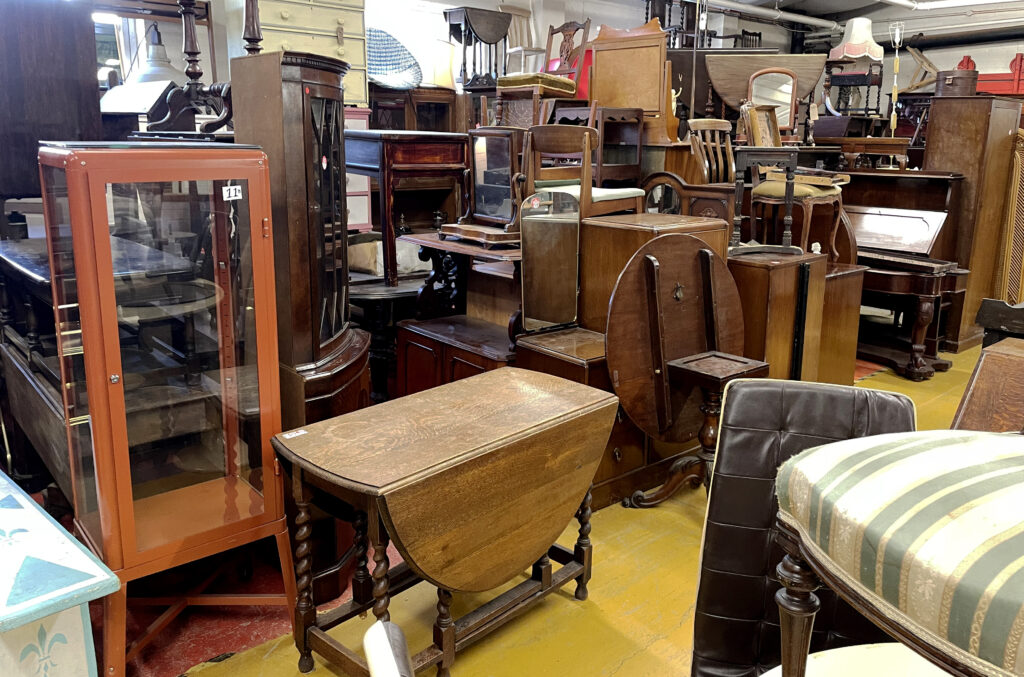
The saying “They don’t make ’em like they used to” applies to most furniture manufactured now. Consider tracking down finely crafted older items.
You can reupholster sofas and chairs, refinish solid-wood dressers or tables, and otherwise clean up just about everything else — if the bones are high quality. But before going that route, carefully inspect the item to decide whether it’s likely to last long enough to justify rehab costs.
Games
The secondhand market is awash in unwanted billiards sets and other space-hogging entertainment equipment. Sellers’ desires to reclaim some space means you can save big.
Board games are also plentiful in the secondhand market. Before buying, make sure sellers attest that all pieces are accounted for (Clue isn’t the same without Professor Plum or the candlestick).
Jewelry
There’s a large secondhand market for jewelry, especially diamonds. Sources include estate sales, eBay, Craigslist, DiamondBuyersInternational, TheRealReal, MyGemma, jewelry stores that sell vintage items, and — for the practical-if-unromantic — pawn shops.
If you bargain hunt for gemstones, look for certification by the Gemological Institute of America. But because GIA didn’t start issuing reports until 1953, stones in vintage settings may be hard to evaluate. Keep in mind that if you don’t like a setting, you can easily have the stones reset and still save a lot over buying retail.
Beware of scams like phony GIA certificates and defective diamonds that have been treated. Consider taking any expensive piece to an independent appraiser before buying.
Kitchen supplies, cookware, appliances
Home cooks often purge their kitchens (or storage rooms) of gadgets, small appliances and other nonessentials that have seen little use.
Amazon sells household appliances via its Resale section, which offers opened or used goods for well below retail. But they come with only a 30-day returns window.
Buying used major appliances is trickier. You may strike gold (or stainless steel) buying gently used appliances being off-loaded because of a remodel. But you won’t get a guarantee or warranty from individual sellers, and delivery and hookup arrangements are on you.
Musical instruments
Whether you’re looking for band and orchestra instruments, pianos or guitars, shop secondhand for bargains. Because there are so many used options available, focus your shopping on well-known quality brands.
Each type of secondhand instrument poses special concerns (mold and mildew inside woodwinds, dents in brass, missing head joints in flute cases), which makes buying online a little less appealing: It’s best to check out instruments and give them a test run.
There are also tons of used pianos out there. Some are free, but you’ll still have to move them. Be careful: Some are in terrible shape.
Sporting goods and camping gear
Because kids quickly outgrow soccer cleats, ice skates, batting helmets and other athletic essentials — or they quickly lose interest in the sport altogether — most used gear is in great condition. Find used playthings and uniforms at stores like Play It Again Sports, eBay, children’s consignment shops, or by asking other soccer/baseball/hockey/javelin parents.
Tents, portable stoves, cots and more clutter many basements, garages and attics. Thankfully, outdoor gear lasts for many years, and the secondhand market overflows with bargain basics to get you enjoying the great outdoors for less green. REI also sells a limited selection of used stuff.
Tools
Unless you’re a professional contractor, you probably don’t use your tool kit often. And most tools last a long time. Power tools are often purchased by weekend-warrior homeowners who use them for only a project or two. That means many gently used ones are on the market. Yard and estate sales can have huge assortments.
What NOT to buy used
You can score used mattresses, vacuum cleaners, rugs, makeup, hats, bathing suits and well-worn shoes, but for many people, the yuck factor voids the savings.
When your bike helmet wears out, replace it with a new one. Old ones aren’t as effective, and any that have been in accidents should be discarded.
Some materials wear out more quickly than others. Especially avoid paying much for used items made of rubber (tires, rain boots) or with watertight seals.
Clothing made with synthetic fibers (polyester, nylon) attracts and traps odors more readily than natural fibers — so caveat emptor.
Old lamps and light fixtures might have vintage charm but are sometimes fire hazards. Test them or rewire them (sometimes that’s an easy DIY task).
Upholstered furniture (chairs, sofas, headboards) can be bargains secondhand, particularly if you’re thinking of recovering them. But calculate the extra costs to reupholster or steam clean. To avoid bedbugs, consider isolating items until you can thoroughly inspect and clean them.
Jamie Lettis is an associate editor of Washington Consumers’ Checkbook and Checkbook.org, a nonprofit organization with a mission to help consumers get the best service and lowest prices. It is supported by consumers and takes no money from the service providers it evaluates. Until Jan. 10, Washington Post readers can access all of Checkbook’s advice and ratings free of charge at Checkbook.org/WashingtonPost/save.
The post Buying secondhand saves money and helps the environment. Here’s how to do it. appeared first on Washington Post.