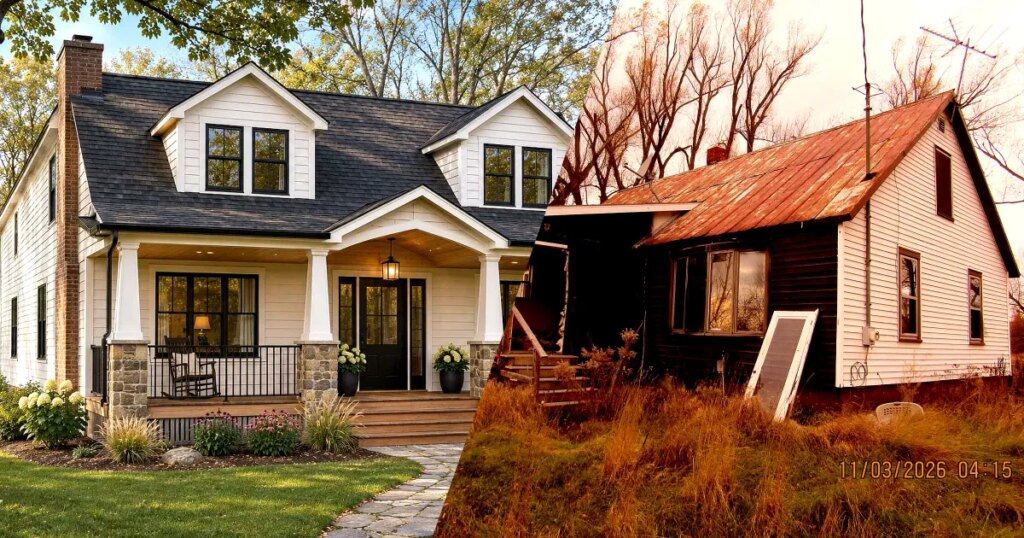
A Zillow listing for a three bedroom house in Cheboygan, Michigan shows a well cared for craftsman-style home with two dormer windows. A beautiful flagstone path snakes through a manicured front lawn and leads up to a generously-sized deck, complete with an inviting-looking rocking chair.
But once you click through the shots of some warmly-lit interiors, it turns out the property is actually ramshackle cabin that’s straight out of a horror movie, complete with debris what appears to be a large hole in the back that’s open to the elements — quickly dispelling the AI-generated illusion.
The alleged “renovation opportunity” could all be yours for the affordable price of $80,800. (That’s after attempts to sell for just $23,000 didn’t appear to pan out back in January 2020.)
“Photos include the home before renovation, during the current renovation work, and conceptual ‘after’ images to help illustrate its future potential,” the listing boasts, euphemistically. “Concept images are for inspiration only and do not represent completed work.”
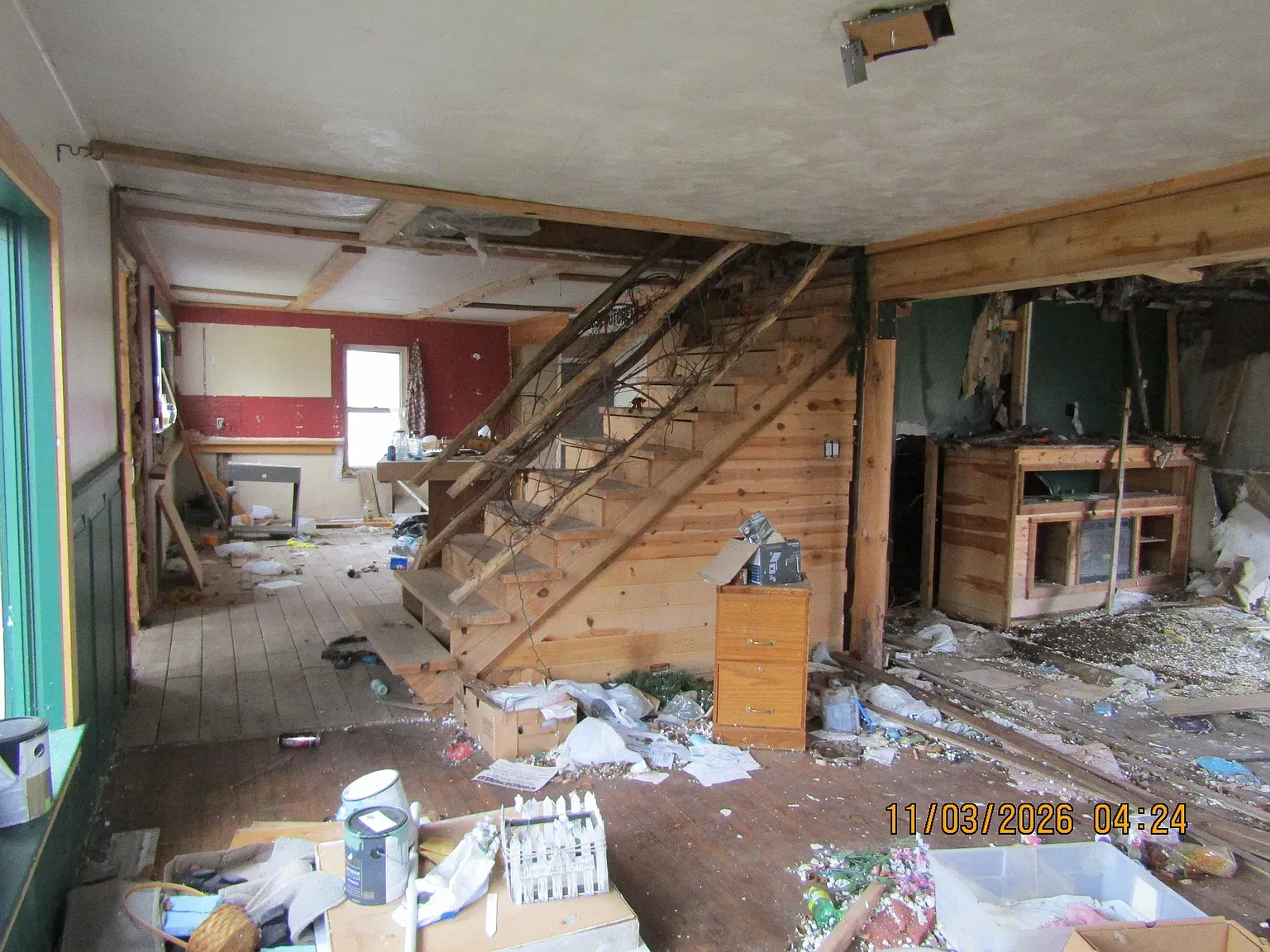
Shots of the interior are even worse. The house is littered with trash, and drywall falling from the ceiling suggests widespread water damage. A nearby cabin appears to have been destroyed by an ungroomed tree.
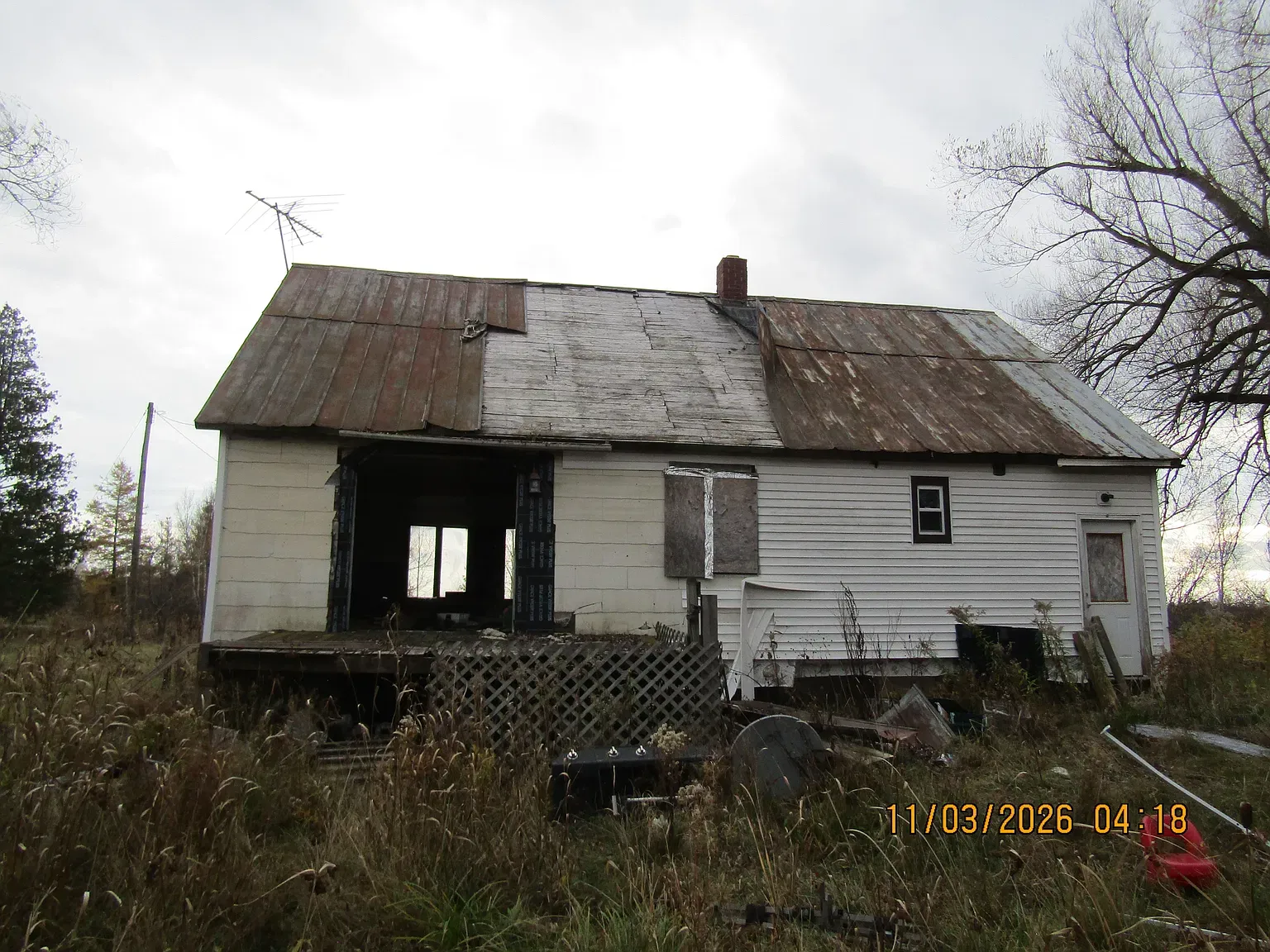
“The current owner began restoring the home but, due to health circumstances, is unable to complete the project,” reads the listing. “The home is being sold as-is and will require continued renovation.”
The Zillow listing even has the gall of dreaming up “possibilities for a hobby farm, small farm use, animals, a petting-zoo-style operation, or other rural uses.”
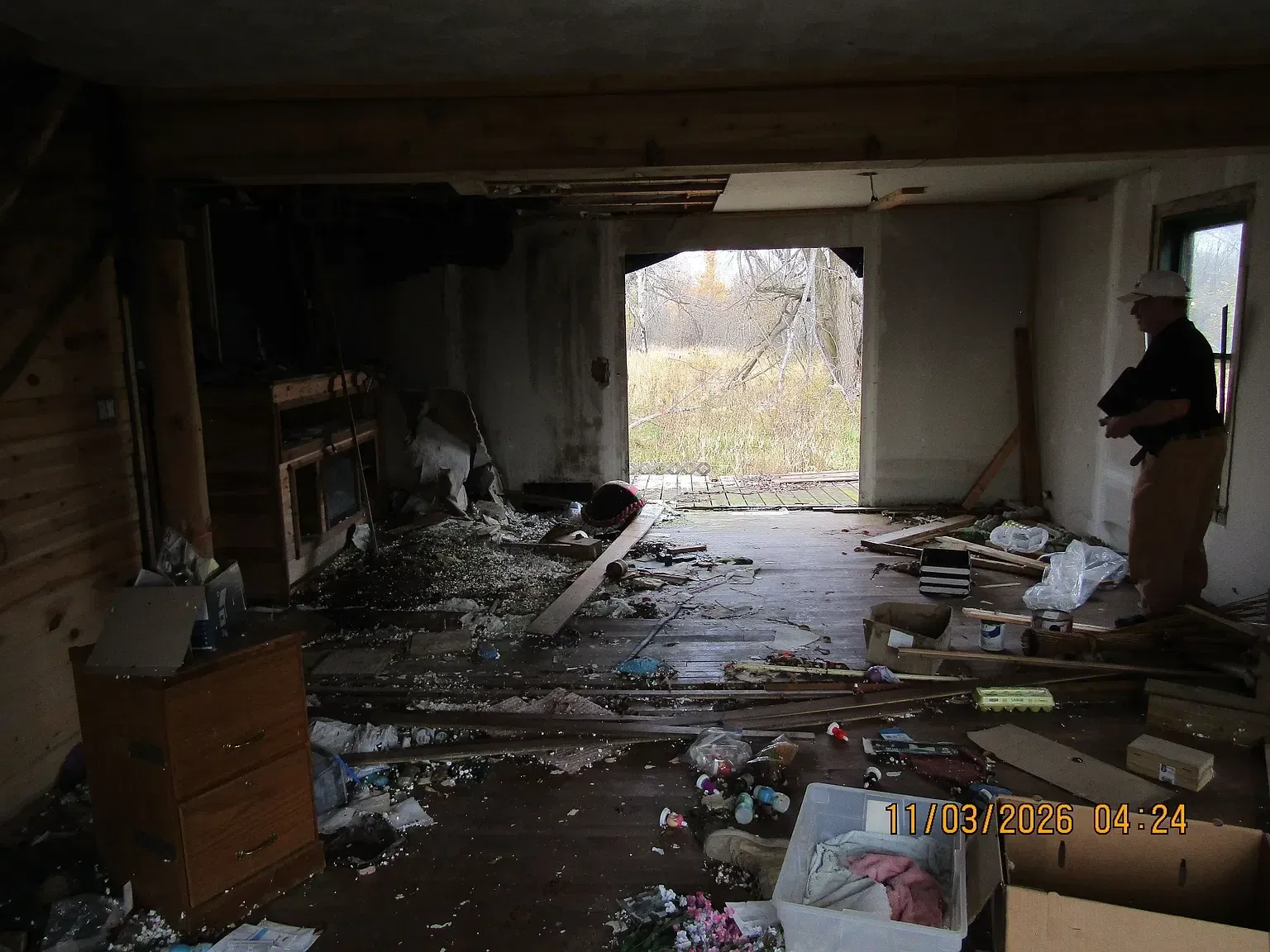
A different angle shows a massive hole in the rear of the house, the size of a double doorway.
While it’s far from the first time we’ve come across the flagrant use of generative AI by real estate agents, it’s a particularly egregious example. The house in the AI-generated pictures bears almost no resemblance to its real counterpart. It wouldn’t even fit on the same foundation, meaning the listing is essentially selling buyers on a complete farce.
Users on social media were flabbergasted and infuriated by the listing.
“This can’t be real right?!” one outraged Reddit user commented.
“Misrepresenting the condition of the house using fake images should be treated as fraud,” another added.
Some lamented it was part of a much wider trend, making the process of renting or homebuying a horror show.
“As someone actively looking for a home, this is insanely common now for some reason to show ‘potential,’” one user argued.
We’ve already encountered plenty of instances of realtors using generative AI to give existing interiors and exteriors a fake facelift. In one particularly unsettling example, a realtor accidentally uploaded a doctored image of a bathroom interior that had what appeared to be a demonic figure emerging from a mirror.
Whether state or federal governments will crack down on the infuriating trend remains unclear, though there are certain signs of progress. Some states, including California and Wisconsin (as of January 1, 2027), require disclosure of digital alterations to photos.
Other countries are looking to go further. The Canadian province of Manitoba laid out a plan this week to ban the use of AI images in real estate, indicating growing momentum to protect buyers from misleading listings.
More on AI and real estate listings: Realtor Uses AI, Accidentally Posts Listing for Rental Property With Demonic Figure Emerging From Mirror
The post Preposterous Real Estate Listing Uses AI to Turn Dilapidated Murder Cabin Into Beautiful Cottage appeared first on Futurism.