
Brain attack.
In addition to a litany of ills, including the decimation of self-worth and the destruction of trust, toxic relationships can have real and dire effects on the physical structure of the brain.
And experts underscore that these changes can destabilize emotional processing, impair cognitive performance, and undermine mental health.

Advertisement
“Narcissistic abuse can cause physical changes to the structure and function of your brain,” Dr. Susan Spicer, a licensed clinical psychologist, neuropsychology expert, and trauma therapist, told The Post, noting that 95% of her patients are the victims of this brand of abuse.
Spicer explained that while the term narcissist is loosely used to describe someone full of themselves, narcissistic personality disorder, or NPD, is a clinical condition in which the person has an inflated sense of self-importance and a relentless need for attention and validation.
“It’s a very unique set of behaviors that make a person a narcissist; the hallmarks are gaslighting, manipulation, blame shifting, and avoidance of accountability,” she said.
Advertisement
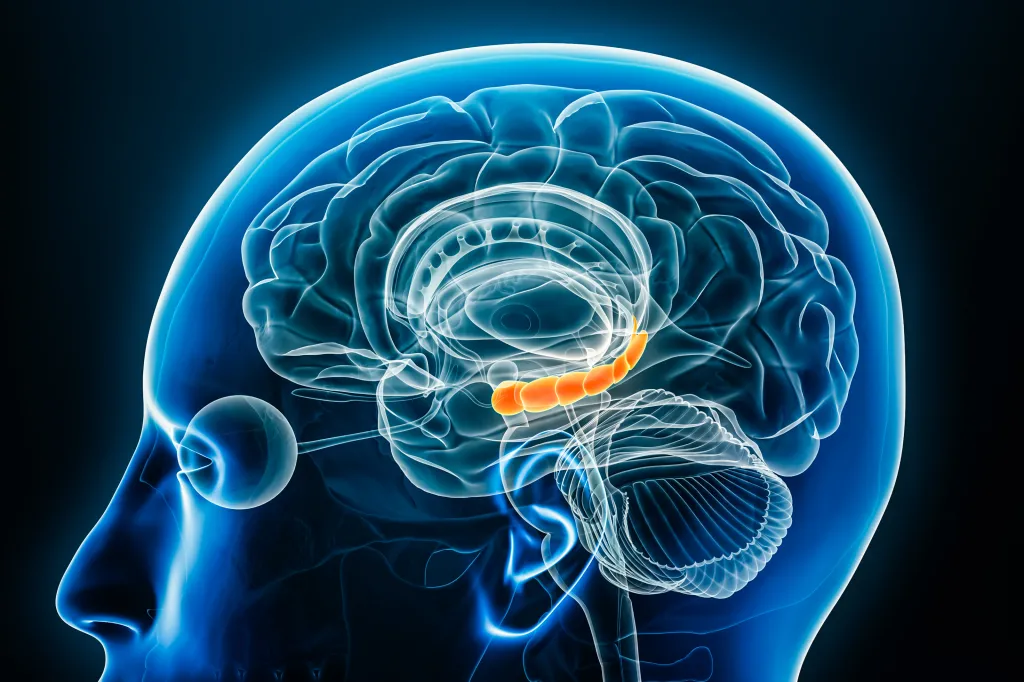
According to Spicer, the areas of the brain affected by narcissistic abuse include the hippocampus, amygdala, prefrontal cortex, and periaqueductal gray.
“The hippocampus can become smaller as a result of narcissistic abuse,” Spicer notes, underscoring that the hippocampus is keenly sensitive to cortisol, and studies show that sustained stress like that experienced by survivors can actually shrink the seahorse-shaped structure.
As the hippocampus plays a primary role in converting short-term memories into long-term ones, changes to this region may help explain why many survivors struggle to recall specific details of the abuse.
During periods of extreme stress, the brain’s ability to encode and consolidate memories can be disrupted, while the emotional intensity of the experience may further complicate the process of recalling those memories.
Advertisement

Conversely, Spicer notes that the amygdala, which she calls the brain’s “fear center” as it triggers our fight-or-flight response, can become enlarged in those who have experienced narcissistic abuse.
“The amygdala increasing in size is helpful when you are in immediate danger; it helps you run from a bear; it activates your sympathetic nervous system and makes you run,” said Spicer, emphasizing that the amygdala’s purpose is to identify and respond to critical threats.
However, as those experiencing narcissistic abuse are under constant threat, that fear center remains on high alert.
Advertisement
“It’s not helpful when it’s chronically stimulated. It doesn’t help if you are standing in the grocery store line and your amygdala is overactive,” she said.
To that end, survivors may find themselves constantly searching for and anticipating threats in their immediate environment, a vigilance expressed in sensitivity to loud noise and the overanalysis of facial expressions.
Relatedly, Spicer explains that the prefrontal cortex — the area of the brain responsible for rational thinking, decision-making, and social behavior — can become less active in response to an overactive amygdala.
Advertisement
She explains that the virtual shut-down of this executive center illustrates why survivors struggle to focus, function, or make a decision in the wake of a confrontation with someone with NPD.
According to Spicer, the periaqueductal gray, which is linked to threat processing, remains activated in a trauma survivor until they process the trauma.
“I say that the periaqueductal gray makes us like a TSA agent. Everyone is a terrorist until proven otherwise. That part of the brain is perpetually lit up,” she said.
If it gets bad enough and goes on for long enough, the stress related to narcissistic abuse can lead to complex post-traumatic stress disorder (PTSD).
Advertisement
CPTSD can cause nervous system dysregulation, irritability, social anxiety, shame, hopelessness, and an increased risk for self-harm or suicide.

Within and beyond the brain, physical symptoms of CPTSD and narcissistic abuse can include:
- Sleep issues, including nightmares, night terrors, trouble falling or staying asleep, or sleeping too much
- Heart problems, including increased heart rate, chest tightness, dizziness, lightheadedness, and an increased risk of high blood pressure, heart disease, and high cholesterol.
- Fight-or-flight response, including sweating and shortness of breath
- Musculoskeletal inflammation resulting in joint pain, headaches, and muscle tension, as well as exacerbating any previously existing pain.
- Stomach issues, including nausea, vomiting, diarrhea, indigestion, gas, and stomach pain
Advertisement
Blessedly, and thanks to the cerebral miracle of neuroplasticity, at least the brain damage associated with this kind of mistreatment is completely reversible.
Removing chronic stressors like the abuse itself, alongside nervous system regulation techniques, can reduce amygdala hypertrophy and facilitate volume recovery in the hippocampus.
For those looking to get out of an abuse cycle like the one described above, Spicer recommends leaning on trusted people in your life and “getting trauma-informed therapy because therapies like EMDR can help heal the trauma that comes along with narcissistic abuse.”
Advertisement
She underscores that healing is not only possible, but can be absolute for survivors.
“It is so satisfying for me as a provider to see people take their power back,” she concluded.
The post Your toxic relationship may be doing more damage than you think — starting with your brain appeared first on New York Post.