The holidays are almost here, bringing with them joy, wonder, pies, cookie exchanges and possibly erratic blood sugar swings.
Which make the findings of a surprising new exercise study especially useful and timely.
The study’s authors looked at whether a single, brief session of stepping up and down stairs could help to control blood sugar after someone consumed a large amount of sugar.
The research, published in the journal Experimental Physiology, built on earlier experiments showing that 10 minutes of brisk walking or climbing stairs generally lessened surges in people’s blood sugar levels after meals or snacks.
But in the new study, scientists took that idea and downsized it.
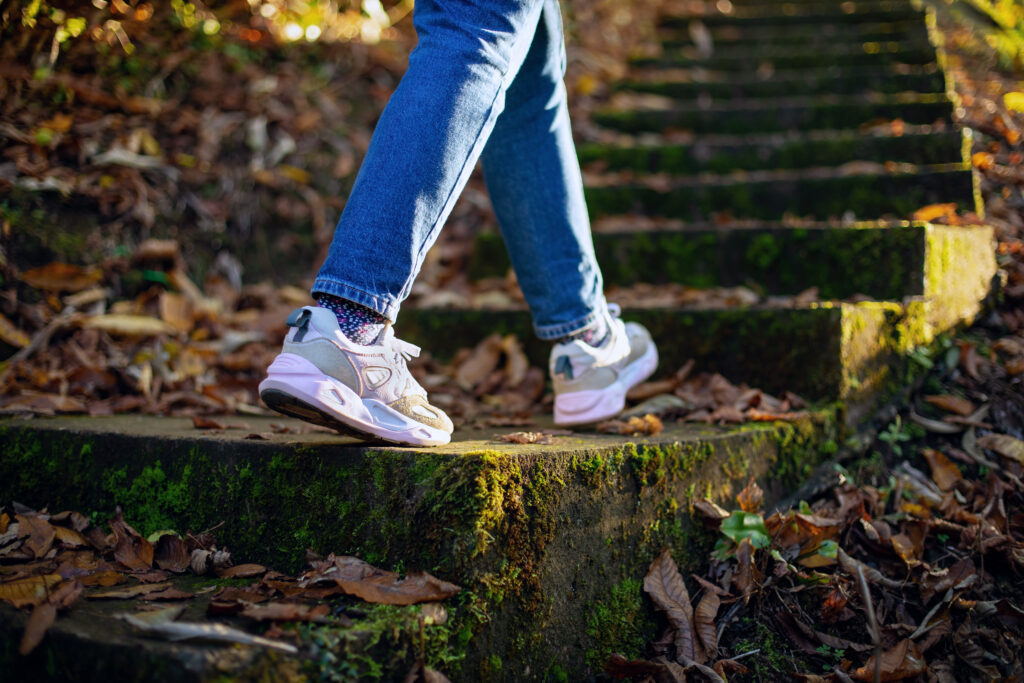
Instead of 10 minutes of exercise, they dialed the effort down to one, asking people to gently climb up and down stairs for a single minute after eating sugar.
This workout, which lasted 60 seconds, smoothed people’s subsequent blood sugar responses, cutting sudden spikes by about 40 percent.
The impact surprised researchers. “Quite frankly, it seems like it should not work, at least not with this large of an effect,” said Jochen Kressler, a professor of exercise physiology at San Diego State University and the study’s senior author.
Regulating your blood sugar is important for your overall health. In the short term, high or lingering spikes could cause fatiguing crashes in energy. Over time, heightened blood sugar can damage blood vessels and organs, and contribute to insulin resistance, a hallmark of Type 2 diabetes.
So the positive results from this study could be a boon for those of us facing dessert buffets in the weeks ahead.
“Here is something very simple, quick and easy that people can do to achieve a measurable effect” on their blood sugar, Kressler said, “right now.”
How moving affects your blood sugar
Blood sugar levels for most of us are endlessly dynamic, surging and dipping throughout the day, sometimes in response to internal cues, but even more to what we eat, especially if it’s sweet. In healthy people, increased blood sugar sparks the release of insulin, the hormone that helps guide blood sugar from the bloodstream into cells.
Studies show that getting up and moving around after meals can smooth blood sugar swings, presumably because contracting muscles require extra fuel, which they get from blood sugar moving into muscle cells. That activity typically occurs in addition to the normal clearance of excess blood sugar initiated by insulin.
In past research, 10 minutes of exercise within an hour or so after a meal controlled blood sugar levels much better than sitting still. Even three minutes of climbing stairs reduced spikes in blood sugar after men and women drank sugar water in an earlier experiment from Kressler’s lab.
Is moving for one minute enough?
It seemed implausible, though, that less movement would have much effect. But during classes, Kressler had his exercise physiology students test each other’s blood sugar levels after a minute of stair climbing, just to learn testing protocols.
Those practice tests kept showing blood sugar spikes were lower after the one-minute workout.
Skeptical, Kressler and his co-authors decided to formally study the short routine. Recruiting 30 healthy men and women, they invited them twice to the lab in the evening, when blood sugar spikes are common, because insulin tends to be less effective later in the day.
During one visit, the volunteers downed a large glass of sugar water, then sat quietly while the scientists checked their blood sugar repeatedly. On a different day, about an hour after drinking the sugar water, they climbed up and down a set of stairs at whatever pace they liked for one minute. (Blood sugar and insulin usually peak about 60 minutes after eating.)
And that’s all they did, somewhat to their consternation. “They kept asking, ‘Is this all you want me to do?’” Kressler said.
The minimum amount of exercise
It seems to have been enough. After the stair climbing, people’s blood sugar peaks were about 40 percent lower than after sitting, compared to their baseline levels. The differences lingered, although they grew slighter, for at least 80 minutes after people drank the sweetened drink.
These effects are “intriguing,” said Jonathan Little, a professor of metabolism, health and exercise sciences at the University of British Columbia at Okanagan. He studies exercise and glycemic control but wasn’t involved with the new study.
“Stair climbing does engage a large muscle mass,” he continued, but that “only one minute” of easy stair stepping would influence blood sugar “is a bit surprising.”
The best part about the results is that they implicitly “remove many of the common reasons” for not getting up and moving after meals, Kressler said, “such as not having enough time or thinking exercise will be too difficult.”
The entire workout consisted of only 60 seconds of stair climbing, he pointed out, at a choose-your-own pace, an hour after consuming what was, essentially, dessert.
The study was small, though, and quite short-term, involving a single instance of abridged exercise by a particular group of healthy adults, none of them diabetic. The volunteers also drank sugar water before sitting or stair climbing; they didn’t have a meal, which would affect blood sugar responses differently, probably with lower spikes.
Perhaps most important, the findings apply only to the acute control of blood sugar. “We don’t know the long-term implications,” Kressler said. Gentle and brief, the routine is unlikely to prevent Type 2 diabetes or improve anyone’s strength or endurance much, if at all.
“I would never say do one minute of stair-stepping instead of regular exercise,” Kressler said.
But if your holidays, like mine, are likely to be filled with bountiful sweets, it wouldn’t hurt to know where the nearest stairwell is.
Do you have a fitness question? Email [email protected] and we may answer your question in a future column.
The post Just one minute of this activity may cut blood sugar spikes by 40 percent appeared first on Washington Post.