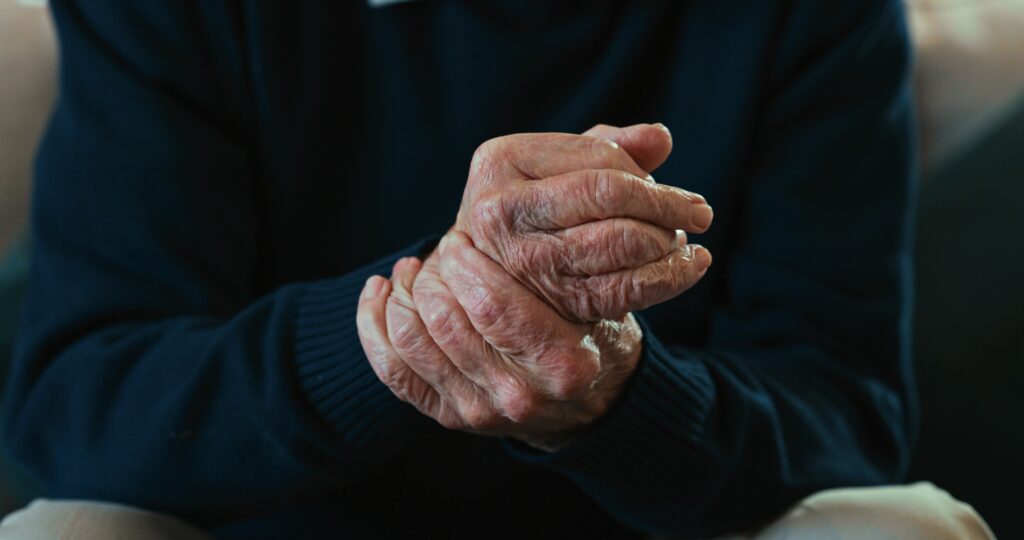
Marta Michalska-Smith, a rheumatologist in Minnesota, spends a lot of time discussing the weather in the colder months — and not just in a small-talk way. “Many of my patients will say that their joints hurt more in winter, or that they can tell when the seasons are changing because their joints are acting up,” said Michalska-Smith, an assistant professor in the Division of Rheumatic and Autoimmune Diseases at the University of Minnesota Medical School.
Weather-related trouble can especially affect those with arthritis, including osteoarthritis (which occurs when the cartilage cushioning the joints breaks down due to wear and tear) and rheumatoid arthritis (when the immune system mistakenly attacks the lining of the joints).
It’s tricky to study exactly how weather variables such as temperature influence joint conditions. Most of the research has looked at associations retrospectively, tracking how symptoms shifted with weather over a period of time. A few studies have shown a small link between lower temperatures and greater pain levels, particularly in osteoarthritis. One study also suggests a modest tie between cold weather and the number of tender joints in rheumatoid arthritis; but several studies also have found no clear connection between temperature and joint pain.
Part of the inconsistency could be explained by other weather factors. High humidity, for example, also has been linked to increased joint pain in people with arthritis — which may be why some people are worse off in the summer. Meanwhile, dips in barometric pressure, which can occur year-round (often before a storm) also may trigger an uptick in joint swelling.
The real culprit may be fluctuations in weather or instability in conditions such as pressure, dampness and temperature versus simply heat or cold, said Alexa Meara, a rheumatologist at the Ohio State University Wexner Medical Center and clinical associate professor of internal medicine at the Ohio State University College of Medicine. It could be why some people experience more joint pain at the beginning of a new season, as their bodies adjust.
Weather shifts also tend to coincide with several other changes, Meara said, for instance in the kinds of allergens you may be exposed to, your indoor conditions (e.g. whether you’re running the heat or air conditioning) and your lifestyle, including how much time you’re spending outside and moving your body — all of which could affect your joints, too.
We asked experts to explain what might be happening if your joints tend to hurt more in the winter, how to prevent or deal with seasonal flare-ups, and when to see a doctor.
Why joint pain may worsen in the winter
Science hasn’t worked out a definitive answer, but there are a handful of possible explanations.
One has to do with synovial fluid, or the “slippery liquid that bathes the joint,” Michalska-Smith said. “It can get thicker in cold temperatures, similar to what happens with the motor oil in your car,” she explained. “This can cause increased stiffness because the two ends of the bones [that connect at a joint] can’t glide as easily past each other as you move.”
Blood vessels also constrict in colder weather, which could reduce blood flow to your joints. This can limit the amount of oxygen and nutrients flowing into a joint as well as toxins being flushed out, possibly increasing pain and inflammation in an arthritic joint.
Meanwhile, pain sensors in joints can react to environmental changes and may become more sensitive in cold, Michalska-Smith said, more readily sending pain signals to the brain.
Besides the shift in temperature, changes in your behavior and routine come winter can affect your joints, too. It’s a time when people tend to huddle inside and hang out on the couch, Meara pointed out, which often isn’t ideal. Movement is what helps “loosen up the joint space and bring blood flow to the area,” Michalska-Smith said, which is critical for keeping arthritis at bay. (It’s why resting when you start to feel a bit of pain or stiffness can be a vicious cycle, leading to even more pain once you try to get moving again.)
Staying cooped-up indoors amid shorter, darker days also can worsen your mood and mental health, which may increase your sensitivity to pain, as well, Michalska-Smith added.
What to do if your joints hurt or stiffen up in the cold months
Turn to your flare plan, if you have one. If you’ve had a condition such as osteoarthritis or rheumatoid arthritis for a while, you’ve probably determined with your doctor a safe, effective over-the-counter medication to take when a flare strikes — for example, ibuprofen (Advil), acetaminophen (Tylenol) or naproxen (Aleve). One of these could help squash a weather-related flare-up or tide you over until you’re able to see your doctor. If you don’t have a diagnosed joint condition or are just looking for a bit of additional relief, topical joint creams or gels such as diclofenac (Voltaren) are generally safe to try, Meara said.
Embrace easy, gentle movement. Working a bit of low-impact exercise into your daily routine can go a long way toward lubricating joints and alleviating stiffness. If it’s frigid outside, and you can’t go to the gym or for a walk, consider simple indoor options such as chair yoga, tai chi, stretching, or strength-building using free weights or even cans of soup — there are plenty of online classes in these modalities that you can do from your living room, Meara said. Whatever you choose, doing it in the morning can help you get into the habit and also may offer some immediate relief from stiffness that tends to develop overnight, Michalska-Smith noted.
Layer on the warmth. Finding ways to stay warm even in very cold temperatures can support joint flexibility and blood flow. While you’re home, a heated blanket can make a big difference, Michalska-Smith said. Dressing warmly with lots of layers and wearing heated gloves and socks — which generate warmth via built-in battery packs — also can make it easier to step outside on bitter-cold days, she added. The extra movement, sunshine and fresh air you might get as a result may improve your mood, which can have downstream benefits for your joints, too.
Fill your plate with fruits and vegetables. The research on diet and arthritis isn’t conclusive, but we know that inflammation plays a role in the condition, particularly rheumatoid arthritis, and diet can influence inflammation. A Mediterranean-style diet full of plant foods such as fruits, vegetables, whole grains and legumes as well as lean animal proteins and olive oil could have an anti-inflammatory effect. It’s the diet with the most research behind it for joint health and the only one recommended by the American College of Rheumatology, Michalska-Smith said, as an “integrative intervention” for helping to manage rheumatoid arthritis.
When to see a doctor for winter joint pain
It depends whether you’re experiencing joint pain for the first time or have been previously diagnosed with arthritis that’s flaring up.
If you’re in the former group, and your pain has persisted for more than a couple days despite trying the lifestyle strategies above, it’s interfering with your daily tasks, or it comes alongside visible swelling or redness, then it’s important to reach out to your primary care provider.
This is a key first step, since joint pain is managed differently, and often by different specialists, depending on whether it’s osteoarthritis or rheumatoid arthritis, Michalska-Smith said. (For osteoarthritis, treatment centers on lessening the load on joints and strengthening surrounding muscles. For rheumatoid arthritis, it targets the overactivity of the immune system to dampen inflammation.)
If you have an existing joint condition that’s acting up, and the pain has lingered for longer than 24 hours despite your maintenance treatment and emergency flare medications, that’s the time to connect with your joint specialist, Meara said. It may be necessary to broadly reevaluate your background therapy or as-needed solutions (or both).
Ultimately, life’s going to happen — and that includes weather changes, Meara said. The goal is to “create a system where you can feel comfortable knowing that you’re capable of doing the activities you’d like to do and also have a backup plan just in case.”
The post Why your joints may act up in the winter — and what can help appeared first on Washington Post.