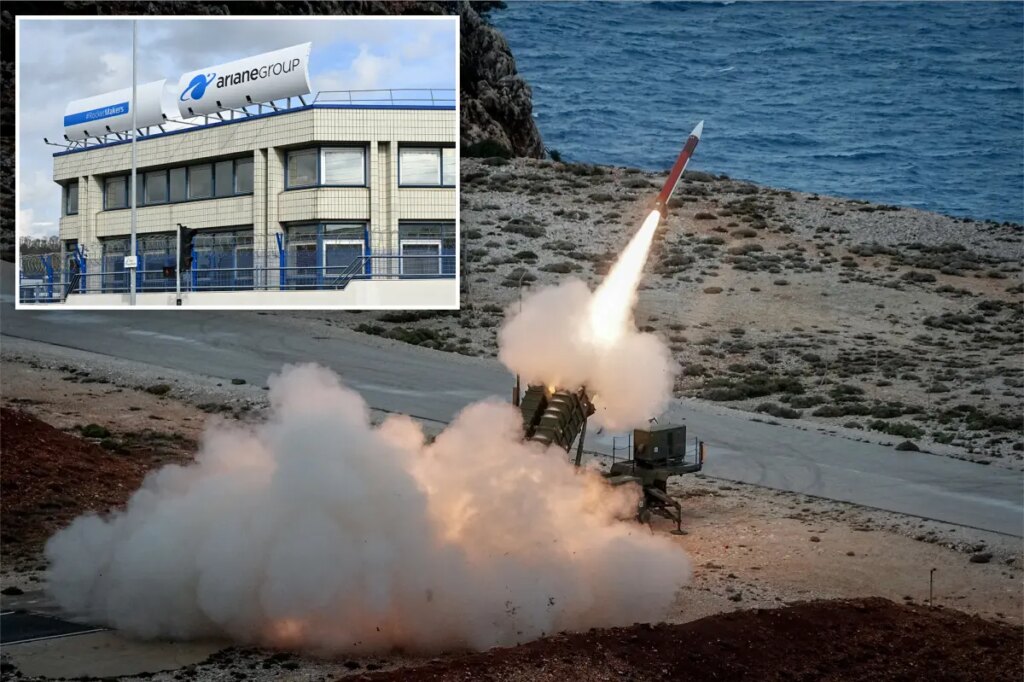
A single factory in France that makes specialized rayon, the material used in Hawaiian shirts, is holding up production of vital Patriot missiles, infuriating US suppliers, according to a report.
The supplier, ArianeGroup, based in the heart of Bordeaux wine country, produces carbonized rayon fabric for use in space rockets and ballistic missiles, which is then shipped to Kansas-based Park Aerospace for further processing.
But recently, ArianeGroup has warned that supplies are limited, leaving the US munitions industry tearing its hair out, with Pentagon pressure reportedly having zero effect on ending the logjam.
“They’re a French company. They can’t be bullied. They’ll just shut down on you,” Brian Shore, a spokesperson for Park Aerospace, told the Wall Street Journal.
Advertisement
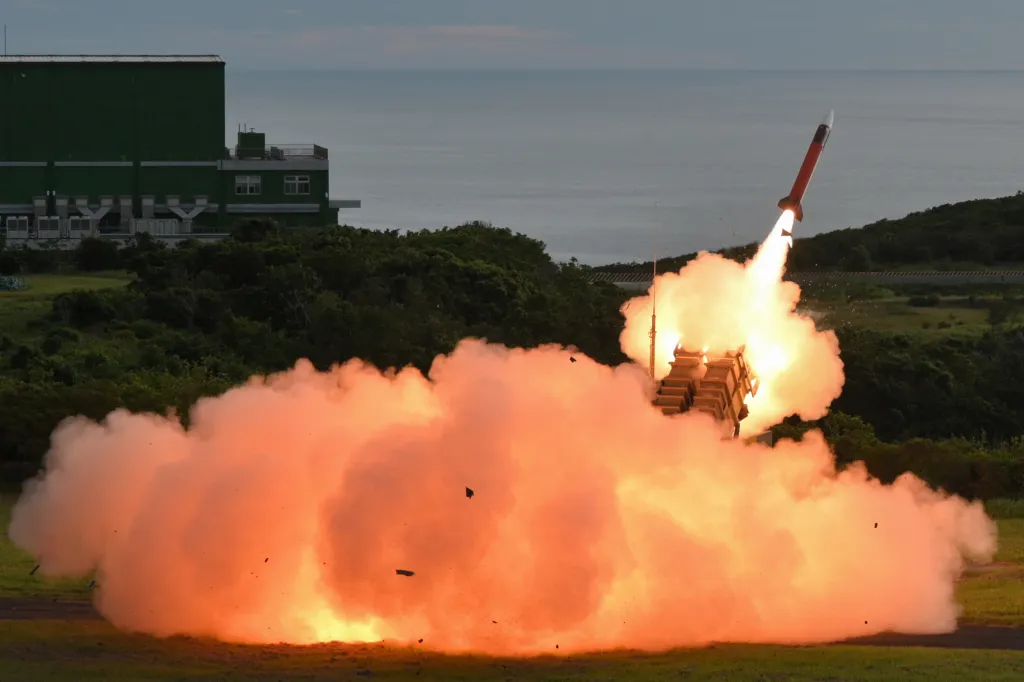
The form of carbonized rayon, available only from Park Aerospace, is capable of withstanding temperatures in the thousands of degrees and is crucial for use in advanced Patriot interceptors, one of the most sought-after missile defense systems in the world.
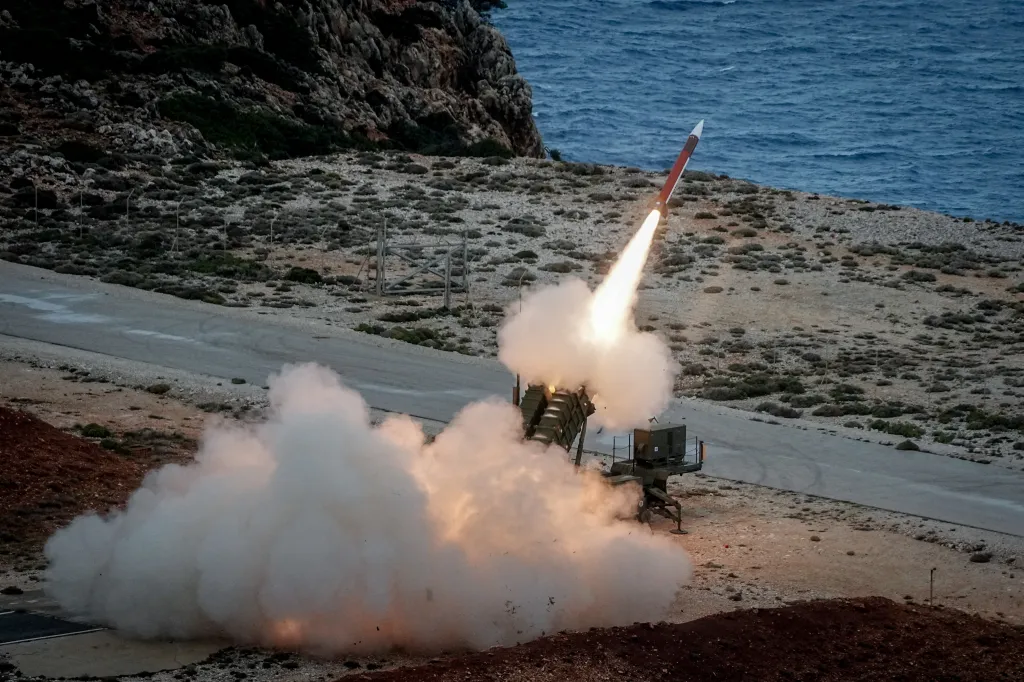
Each $4 million interceptor takes roughly two years and hundreds of components to make, with the rayon used in the latest system made first as a thread at a factory in the Czech Republic owned by a Thailand-based chemicals conglomerate, before being sent to France for carbonization.
Advertisement
But with the supply chain now dependent on multiple foreign contractors with often no ready American alternatives, chokepoints are common.
One defense executive said the process of preparing for a weapons surge now requires five years of planning.

Another compared the industry to pushing a basketball through a garden hose.
Advertisement
“There’s a lot of testing that’s involved. You could go down the path for two years, everything’s looking good, then at the last test it fails, and now you’re back to the drawing board,” Shore said.
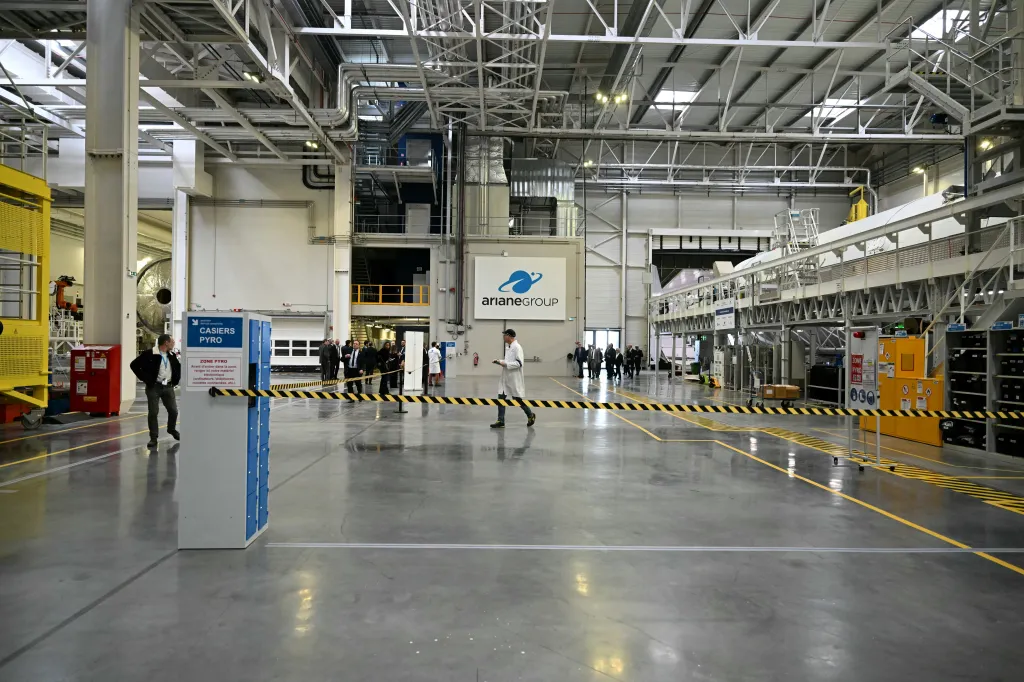
Park Aerospace pledged a $5 million advance to fund a new production line at the ArianeGroup factory, which is expected to be ready by 2028.
ArianeGroup has also signed a preliminary agreement to build a factory in the US, backed by a promised additional $25 million advance from Park Aerospace, expected to be finished in around 2030.
Advertisement
“The big problem is that nobody wants to wait three-and-a-half years,” Shore said.
Many blame the delays on Clinton-era slashes to military spending made after the end of the Cold War, which saw the consolidation of the American aerospace and defense industries.
Between 1993 and 2015, the number of top-tier American defense companies fell from 51 to just five primary contractors.
Advertisement
Specialized manufacturers and machine shops in the US often went out of business or moved away from defense work, part of the broader shrinking of the US industrial sector under Clinton.
The number of small businesses in the US defense industrial base shrank by 40% between 2012 and 2022, when the Pentagon published a report on the subject.
More than 70% of second-tier suppliers for the PAC-3, the newest generation of Patriot missiles, also supply THAAD, another missile interceptor that targets ballistic missiles.
This means that failure at one supplier — such as a workers’ strike, a natural disaster, or bankruptcy — could have knock-on effects on the entire process.
Advertisement
In a bid to make this right, the Pentagon signed seven-year deals with Lockheed Martin and L3Harris to accelerate production of the most advanced Patriot missiles and their rocket motors to accelerate production amid the ongoing Iran conflict and restore the US’s missile stockpile depleted by the Ukraine-Russia war.
It is also reaching out directly to third- and fourth-tier suppliers to try to ease bottlenecks further down the chain.
“[The Pentagon is] continually working on supply chain resilience and qualifying new suppliers,” it said in a statement.
Advertisement
L3Harris — which has also been blamed for last week’s FAA systems glitch that ground flights on Friday — said it is confident it will “maintain the materials needed to produce at quantities required, through at least the end of our 7-year framework agreement,” in a statement.
The post US production of vital Patriot missiles held up by one fabric factory in wine country: ‘They’re French… They can’t be bullied’ appeared first on New York Post.