This is an edition of The Wonder Reader, a newsletter in which our editors recommend a set of stories to spark your curiosity and fill you with delight. Sign up here to get it every Saturday morning.
This past week, my colleague Lila Shroff recounted her experience at a “drunk deriving” party in San Francisco. The event is exactly what it sounds like: libations and collaborative attempts to solve math and logic problems. “The winning team will be the one with the highest combined blood-alcohol levels and exam score,” Lila writes.
In Lila’s delightful story, she spends time with the people who remain devoted to the joy of doing math, even as AI transforms the field. Working with numbers means something different to each mathematician she speaks with—some delight in the purity of knowing there’s one right answer; for others, it’s the adrenaline rush of solving something. But one idea she returns to throughout the story is the togetherness of something like the drunk-deriving party. That kind of collaboration will become even more important as math evolves and becomes more accessible to the public, Lila writes. “Maybe the future is to be found in the drunk part of the drunk-math party—not in the encouragement of drunkenness itself, but in the partnership that I encounter when I ask my teammates for help.”
Today’s newsletter explores how to fully engage the brain, and the value of doing that alongside other people.
The Work of the Brain
What I Learned at a Drunk-Math Party
By Lila Shroff
AI might be taking over mathematics research, but there is reason for hope when it comes to the uniquely human love of numbers.
The Puzzle That Will Outlast the World
By A. J. Jacobs
One move down, 1,298,074,214,633,706,907,132,624,082,305,022 to go. (From 2022)
The People Who Will Thrive in the AI Age
By David Brooks
What will differentiate people is not how smart they are but their relationship to mental effort.
Still Curious?
- “My descent into mah-jongg”: The game seems to be everywhere, all at once, Ashley Parker writes.
- “What do crossword puzzles really test?”: In 2024, Sophia Stewart explored the case for puzzles that reflect a broader sense of common knowledge.
Other Diversions
PS
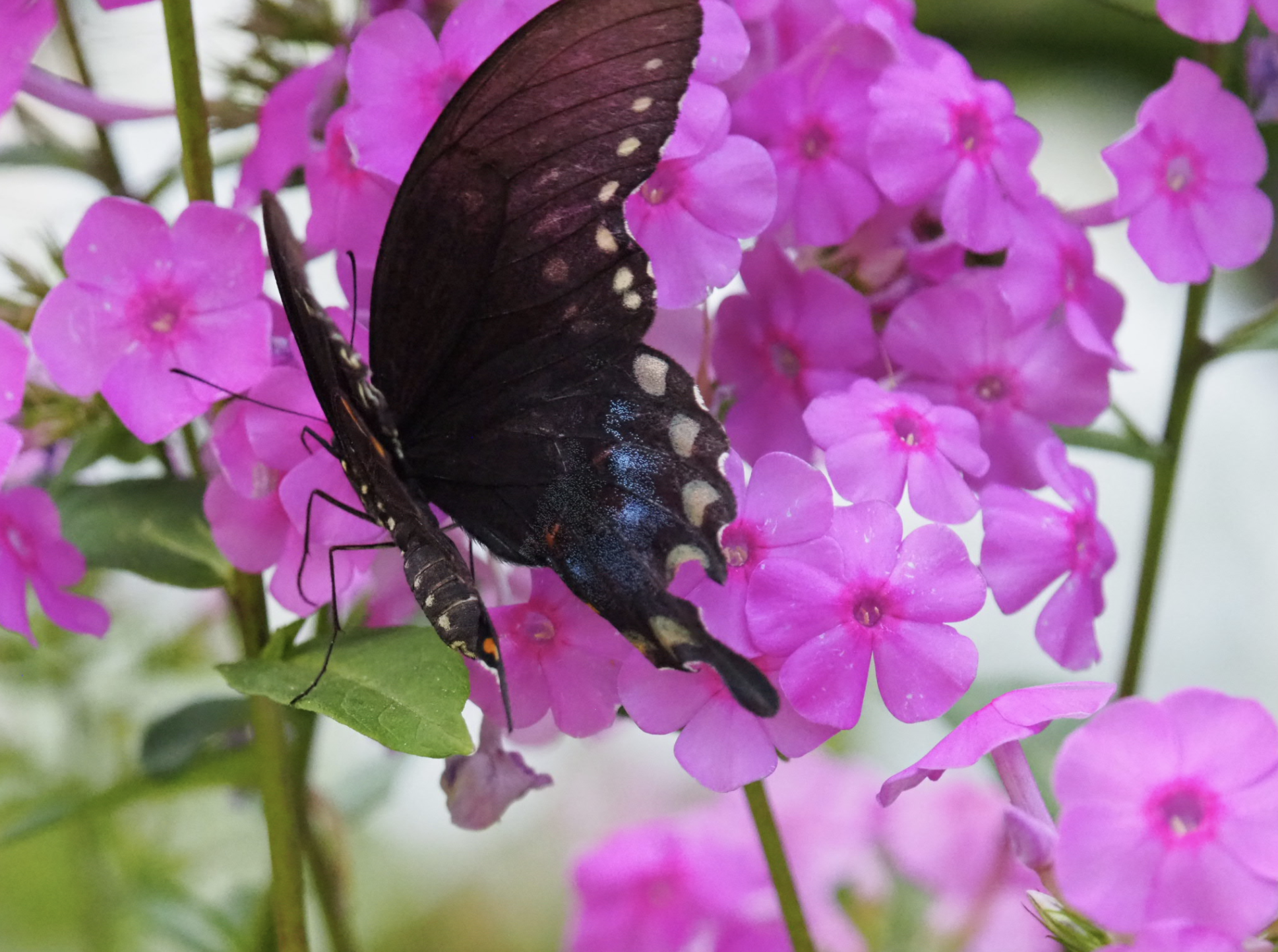
I recently asked readers to share a photo of something that sparks their sense of awe in the world. Andrea W. shared this photo of a butterfly “flitting from flower to flower. It was missing a huge chunk of one wing but was still going and was lovely as ever.”
I’ll continue to feature your responses in the coming weeks.
— Isabel
The post The Joy of True Mental Effort appeared first on The Atlantic.