In a Virginia courtroom packed with people who’d helped search for his missing wife, Naresh Bhatt offered a stunning half-confession.
Yes, he’d dismembered and hidden the body of the 28-year-old nurse and mother of his daughter, then not even 1 year old. But no, he hadn’t killed her.
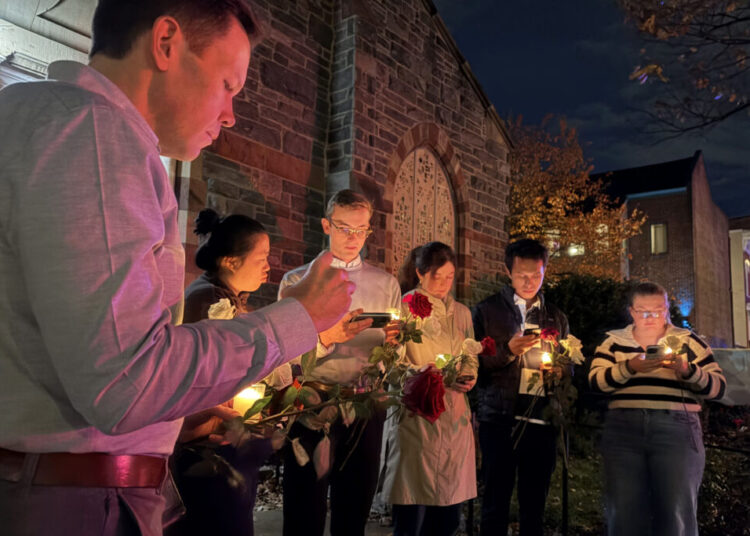
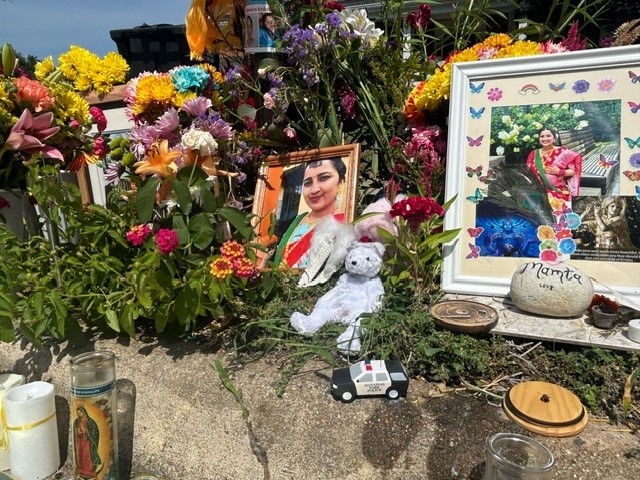
The case consumed many around the globe, especially in the Bhatts’s home country of Nepal and in Prince William County, where supporters searched through woods, rallied outside the local police department and kept showing up through years of court proceedings.
During Bhatt’s 19-day murder trial that ended this week, the court overflowed with people wearing red. Dozens lined the hallway outside of the courtroom in ruby jackets and cardigans, shirts and saris, draped in Mamta Kafle Bhatt’s favorite color.
Kafle Bhatt had been missing since at least July 31, after she failed to call her mother in Nepal, as she would every morning and evening, her brother told The Washington Post. In interviews with local media at the time, Naresh Bhatt suggested Mamta Kafle Bhatt left home over a disagreement and was staying at an apartment in Falls Church or had left the state entirely for New York or Texas.
But in two days of testimony, Naresh Bhatt, 39, offered a different story.
Around 4 a.m. on July 30, 2024, Bhatt said, he had been sleeping with their baby in a separate bedroom, when he woke up to use the master bedroom’s en suite bathroom. In the room, he saw Mamta Kafle Bhatt lying on the floor in a pool of her own vomit. Nearby, he said, was a bottle of pills and an open container of pesticides. He did not call 911.
“I [was] really, at that point, scared. I don’t know why I did not,” Naresh Bhatt said. Over the last two years, “I have completed more than 3,500 hours of meditation. Still, I don’t have that answer.”
After discovering her body, Bhatt said he dragged his wife to the bathroom and attempted “medical interventions,” before taking his daughter to a babysitter. When he returned home, he said he unsuccessfully attempted to hang himself.
On the stand, Bhatt testified to making trips to Walmart and Home Depot, where he bought a pair of gloves. Over the next day-and-a-half, Bhatt said, he dismembered Mamta Kafle Bhatt’s body using knives and a saw.
The grisly testimony resulted in audible gasps in the courtroom. Mamta’s mother, Gita Kafle, left the courtroom in tears, said Bina Khadkalama, who was sitting next to her.
In Nepali culture, when someone dies, it’s customary to refrain from eating salty foods and meat for 13 days, she said. After Naresh Bhatt’s confession, Kafle barely ate that afternoon, Khadkalama said.
“I think she started accepting that this is the day,” the beginning of her grieving process.
Khadkalama attended every day of the trial and was part of a core group of supporters who mobilized on behalf of Mamta Kafle Bhatt, organizing rallies outside Manassas City Police Department headquarters and finding ways to support her family.
“The community was so active,” Khadkalama said.
That group included Holly Wirth and Sunita Basnet Thapa, who both worked with Kafle Bhatt and testified during the trial.
To Thapa, Naresh Bhatt’s original story never added up. She noticed red flags during her time working with Mamta Kafle Bhatt at a hospital in Northern Virginia.
Naresh Bhatt seemed “controlling” and “money-minded,” she said. Mamta Kafle Bhatt worked a second job in addition to nursing, Thapa said, while her husband earned income through disability checks after serving in the U.S. Army Reserve.
One day, in December 2023, Kafle Bhatt came to work with a bruise and brushed it off as a fall, Thapa said. “Her eyes were telling [me] something, but she told me, you know, that was false,” she said.
Eventually, Kafle Bhatt opened up to her about physical abuse she was experiencing in her marriage. She started documenting it in recorded videos, Thapa said.
“This is the second time,” Kafle Bhatt wrote in a text message to her husband, according to screenshots filed in Prince William County Circuit Court. Along with the texts, she sent photos showing bruises around her eyes. “I can sign the divorce papers,” he wrote back.
During the trial, Kafle Bhatt’s supporters shared snacks and food with each other. On Tuesday, some chatted and embraced one another while others took selfies and live-streamed the scene on social media for those anxiously awaiting the justice they sought for more than two years.
That came Tuesday night — the fourth day of a Nepali holiday called Tihar — after a jury deliberated for about four hours and found Naresh Bhatt guilty of first-degree murder, concealing and defiling a dead body. He faces 20 years to life in prison.
“Dear America, dear Nepal … finally the verdict came and justice is served,” community member Prashanna Sangroula told reporters at a news conference after the jury returned the verdict.
Thapa took to the microphone to spread a message against domestic violence.
“Please, stop lecturing your daughters. Do it to your sons,” she said. “Teach them be a good person. Be a good human.”
Mamta’s name means love in Nepali, “and that’s who she was,” Wirth said in an interview.
“If you hear a song that makes you want to dance and brings a smile to your face, shake your hips and smile because those were Mamta’s favorite things to do,” she said.
The end of the trial brings some answers and justice for Kafle Bhatt’s family, who traveled from Nepal and are raising her daughter, now 3. But justice isn’t the same as closure.
Kafle Bhatt’s body was never found.
The post He testified he dismembered his wife after pleading not guilty of murder appeared first on Washington Post.