The AI bots are hitting roadblocks.
Major companies are rolling out bans and restrictions on AI agents, preventing the bots from making purchases directly on your behalf and, in some cases, from browsing their site for you.
Companies from retail to travel are reckoning with the rise of AI agents, which have grown in popularity since the release of Meta’s Muse in September and similar personal assistant tools, like Instinct. Popular chatbots like ChatGPT and Claude have also added agentic capabilities.
Those banning AI agents have cited privacy and security concerns, among others. There’s also been speculation that agents could cause sites to lose traffic if humans no longer visit them directly to browse, buy, or book.
Here’s a list of companies that have banned or restricted AI agents.
Amazon
GeekWire first reported in September that people trying to use Muse to shop on Amazon were seeing a popup that read “continued access by an unauthorized AI agent violates Amazon’s Conditions of Use, to which our customers have agreed.”
Amazon’s conditions of use do not explicitly ban all AI agents, but the company states that “at our sole discretion, we may limit, including by technical measures, whether and how any Agent accesses, uses, and interacts with Amazon Services.”
Booking.com
Booking.com does not allow automated assistants to make bookings or reservations without express permission. The company’s terms say AI-powered assistants are also not allowed to access its platform for any reason without prior permission.
The company says it will block anyone it suspects of using AI-powered assistants.
eBay
eBay is shutting the door on AI shoppers.
The marketplace has recently updated its user agreement to prohibit automated access without the company’s permission, specifically naming “buy-for-me agents,” “LLM-driven bots,” and “end-to-end flow that attempts to place orders without human review.”
Resy

Resy, the restaurant booking platform, limits which AI agents are allowed to access its platforms. The company says it supports discovery and booking with ChatGPT and Claude, but it can block AI activity outside those approved services.
The company cited platform security and concerns about excessive demand on its system, and said users who violate their rules could have their accounts terminated.
Target
Target is keeping a tighter guest list for AI shoppers.
The company’s terms prohibit AI shopping agents from accessing or gathering data from its site unless explicitly authorized. The approved list includes “Target’s AI Shopping Assistant, OAI, Google and Microsoft.”
According to the user terms, approved agents can sign in to accounts, build carts, place orders, and initiate returns with customers’ permission. Target also said in its terms that the company can change the list or restrict agents’ access at any time.
United Airlines
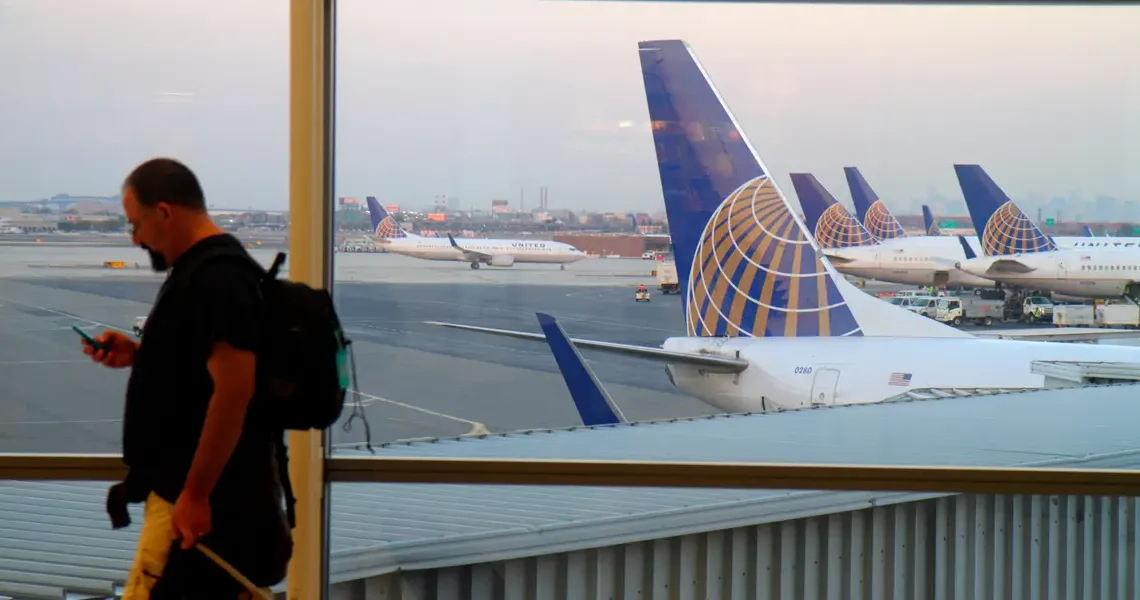
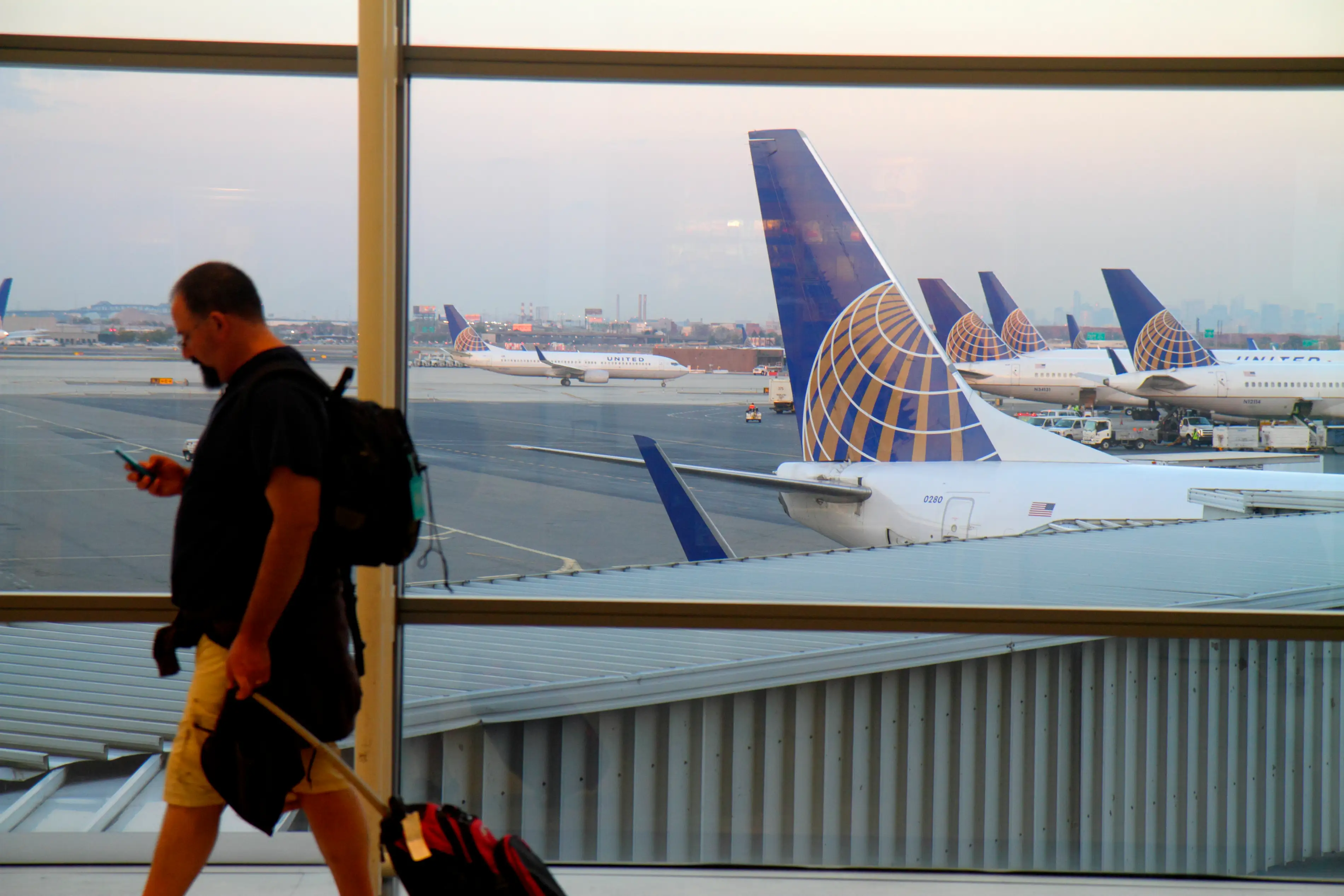
United Airlines announced Wednesday it was restricting access for third-party agents, citing security and regulatory risks, as well as the possibility of unintended purchases.
The airline said some actions, such as an agent checking in on behalf of a flyer, could violate federal regulations requiring a human to acknowledge that their bags do not contain banned items like explosives.
The company’s new policy states that unauthorized AI agents are not permitted to search, book, buy, or manage your trips on United’s platforms.
Yelp
Yelp does not allow non-human traffic on its site without express permission. The company has a paid data-licensing program, which could allow an agent to access its data and take certain actions through approved integrations, including one that lets ChatGPT users make reservations.
Read the original article on Business Insider
The post Not so fast, bot: Companies are banning AI agents. Here’s the list. appeared first on Business Insider.