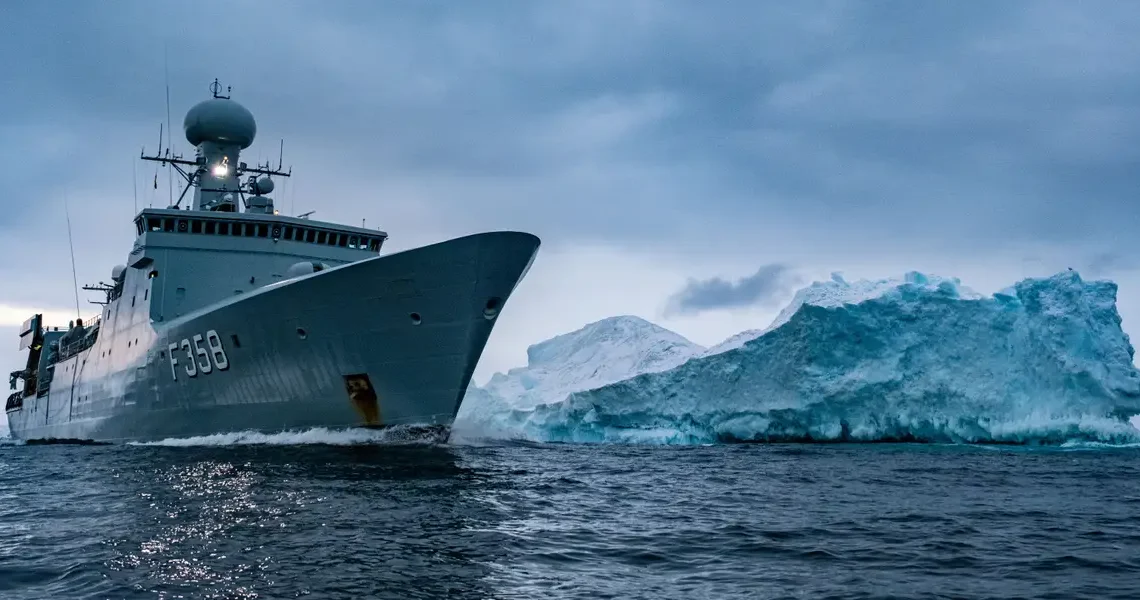
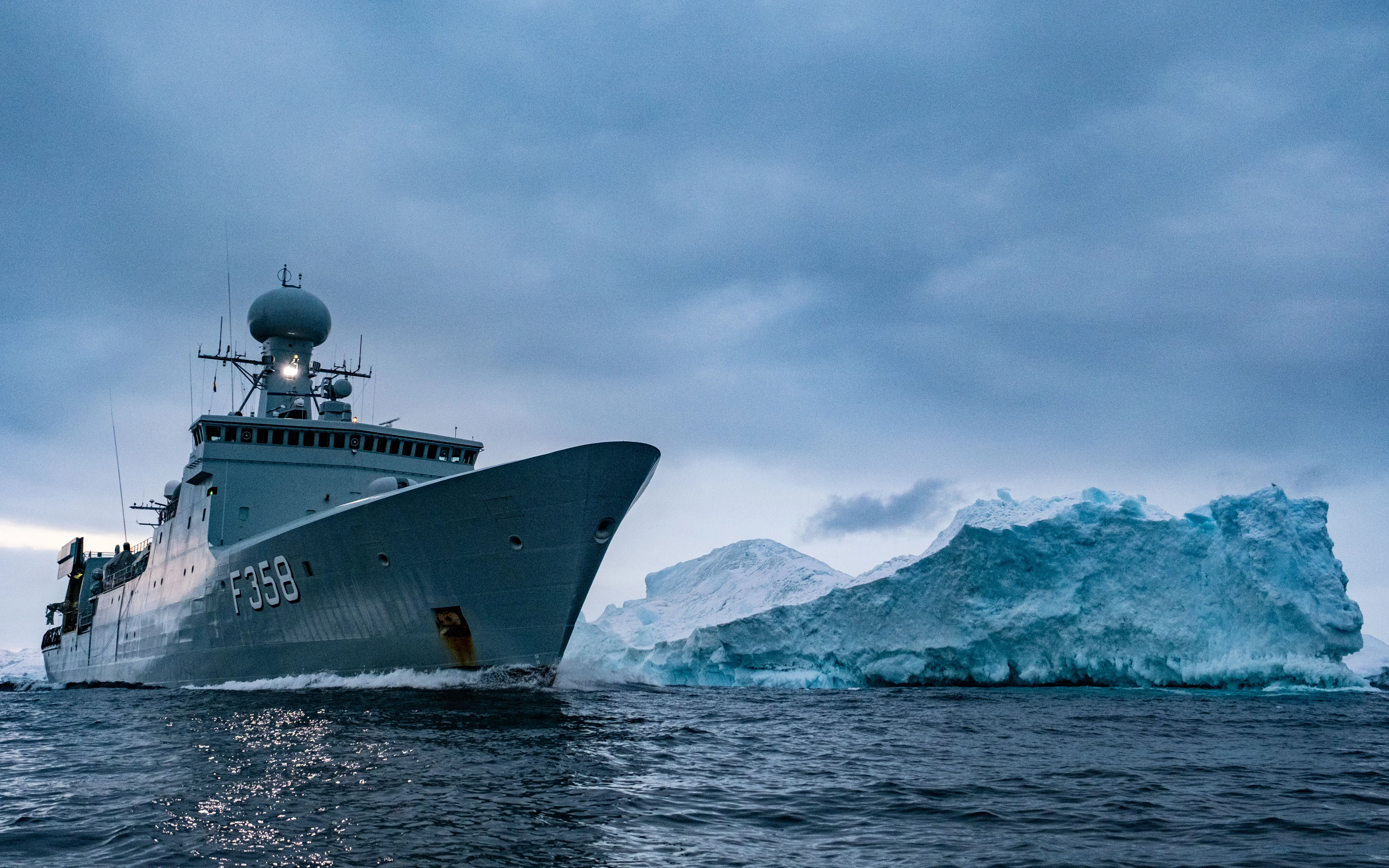
NATO is experimenting with amphibious robots that can cross water and ice in the Arctic, where the harsh environment could limit command and control.
The Western military alliance launched a new initiative, Task Force X-Arctic, in June to explore how networked uncrewed and autonomous systems can provide NATO forces with more situational awareness across the High North.
The new task force, led by NATO’s Allied Command Transformation and Centre for Maritime Research and Experimentation, has carried out initial testing in an operational environment and is now exploring ways to deploy uncrewed vehicles in unconventional roles.
João Alves, who leads CMRE’s exercises and experimentation branch, told reporters at a roundtable discussion on Tuesday that NATO is exploring the use of uncrewed ground vehicles “to expand the presence on the ice cap,” where the alliance’s footprint had previously been insufficient.
“We are talking about using unmanned amphibious vehicles that can go from ice to water and back from water to ice,” Alves said, adding that the vehicles can be used to patrol areas and establish communication links with drones and underwater vessels.
The amphibious vehicles were initially designed to have a driver, but CMRE modified them to be uncrewed. Having these kinds of platforms “opens up a lot of possibilities,” particularly for communications, Alves said.
NATO is also working with other types of vehicles, including conventional uncrewed ground vehicles that can carry communications payloads and set up on hilltops for greater coverage — terrain features can disrupt signals — or launch drones as a mothership would.
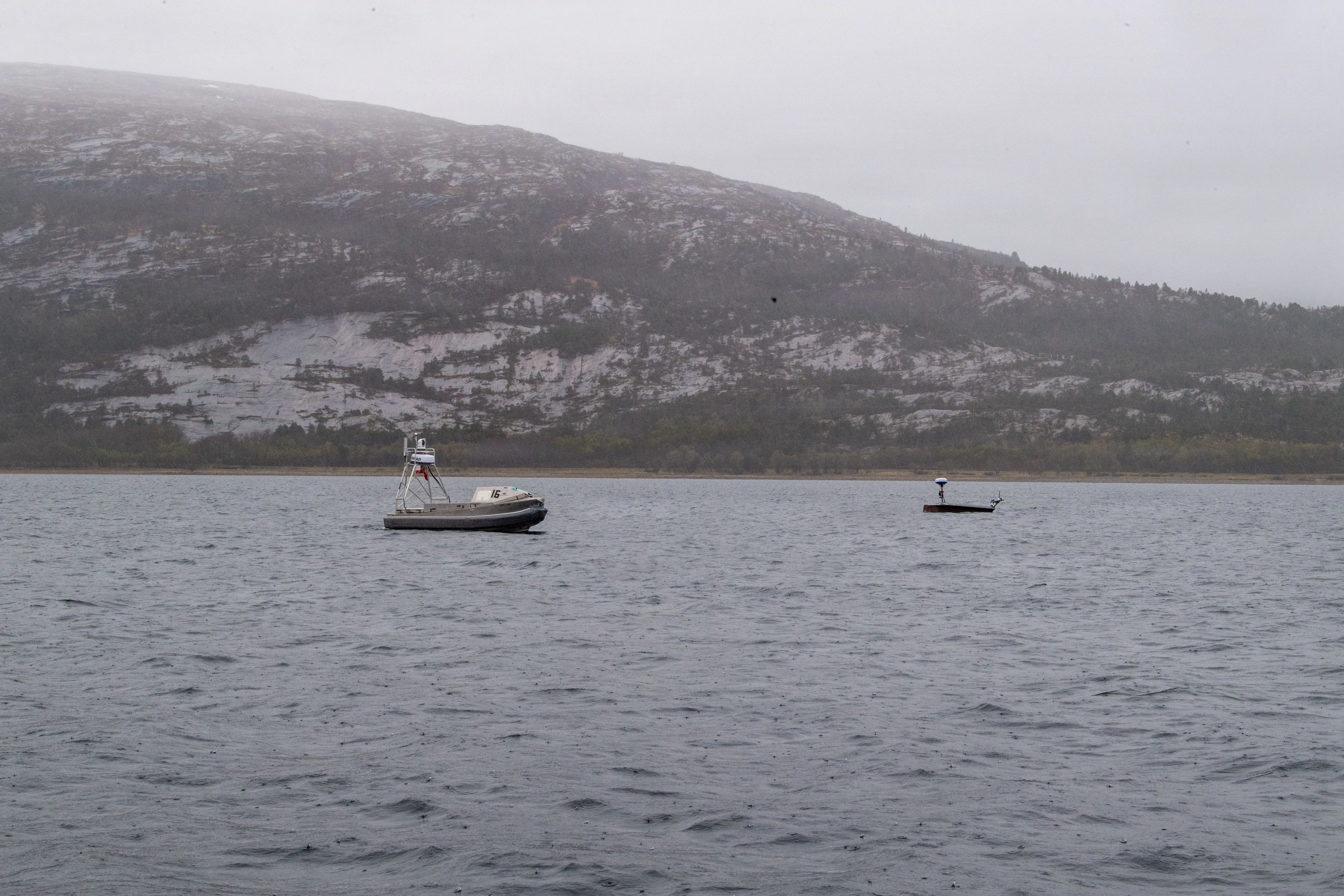
Portuguese Capt. João Piedade, who leads the operational command-and-control branch for ACT’s capability development directorate, told reporters on the call that the uncrewed amphibious vehicles are useful in the Arctic because the region is vast and lacks communications infrastructure.
“With amphibious vehicles, we can cover wide areas, travel through the water, travel inland, on the ice” to provide needed communications links or nodes for command and control, Piedade said. “It’s very flexible.”
Alves said NATO is working with three types of ground drones, one of which has amphibious capabilities. More broadly, Task Force X-Arctic is working with defense firms from across Europe.
Ukraine has already deployed amphibious ground robots in combat, part of a broader push to use its drones in unconventional roles. NATO is now experimenting with similar capabilities.
NATO is increasingly focused on reinforcing its northern flank amid growing Russian activity in the region. Western military officers say that the Arctic is a challenging environment to operate in, particularly in winter, when there is less daylight and worse weather.
“NATO, as a defense organization, of course, needs to prepare for the future and start to trial and experiment new ways to tackle the challenges that can pose to allied forces,” Piedade said.
Task Force X-Arctic is in support of Arctic Sentry, a vigilance mission NATO launched earlier this year to strengthen High North security through joint exercises and patrols.
The task force has more experimental activities planned in the North Atlantic and Arctic in the months ahead, with a final demonstration scheduled for summer 2027. The systems tested under these challenging conditions can then be transferred to other NATO forces for operational use.
Read the original article on Business Insider
The post NATO is experimenting with amphbious robots that can cross ice and water in the Arctic appeared first on Business Insider.