By a vote of 73-25 on Monday night, including 22 members of the Democratic caucus, the Senate advanced its permitting reform deal — a strong indicator the bill will ultimately pass the chamber. This could mark a historic achievement and a chance to reinvigorate the country’s ability to meet its energy needs.
For decades, lawmakers have been talking about the need to remove barriers to develop energy and other critical infrastructure, yet previous efforts have always been trampled by a coalition of powerful interest groups. These include utilities, which have long resisted giving federal authorities more control over energy policy, and environmentalist groups, which have opposed any changes that might make it easier to build infrastructure for fossil fuels.
A series of amendments unveiled over the weekend helped bring along some holdouts. The Edison Electric Institute, the largest utility trade group, announced support on Monday for the Senate deal.
Democrats won in the midterms by promising to make life more affordable for people. Preserving the rigid bureaucracy that makes energy development more expensive, which leads to higher prices for consumers, clashes directly with that messaging. Several environmental groups, such as the Sierra Club and the Center for Biological Diversity, have lost influence by staking out extreme positions and refusing to compromise.
Falling prices for wind, solar and battery storage have made those industries more competitive with fossil fuels. That has created growing pressure among pragmatic environmentalists for easing regulatory hurdles to renewable power. Making it easier to build would greatly boost those industries; in fact, the bill is projected to reduce carbon emissions in the long run, which is why several climate advocacy groups, such as Evergreen Action, the Citizens’ Climate Lobby and the Environmental Defense Fund, threw their weight behind the compromise. Endorsements from several trade unions gave Democrats added cover to cross activists who mischaracterized the bill as a sop to polluters.
Some leftists made last-minute overtures to kill the bill, but they largely fell flat. The American Civil Liberties Union last week offered up perhaps the lamest argument, claiming that the bill would allow the administration to build immigration detention centers with “no meaningful legal recourse.” A spokesperson for Sen. Sheldon Whitehouse (Rhode Island), one of the legislation’s chief Democratic negotiators, replied that “no plausible reading” of the bill supported that view.
On Monday, former vice president Al Gore claimed that the bill would give “the Trump administration freer rein to double down on fossil fuels.” That, too, is wrong. The legislation expressly limits the executive branch from being able to interfere with energy projects after they’ve been approved.
Assuming the bill passes the Senate after debate and amendments, attention will turn to the House. Rep. Hakeem Jeffries (D-New York), poised to become the next speaker, indicated last week that he didn’t want to “rubber-stamp” the legislation, but Monday’s strong showing in the Senate makes it harder for Democrats in the lower chamber to reject the deal.
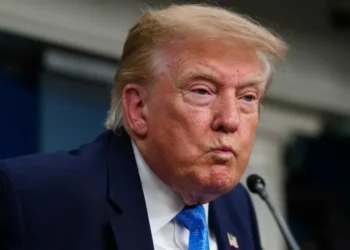
Complicating matters, as usual, is President Donald Trump. While the Senate was voting, Trump said from the White House podium that the bill “hasn’t been fully negotiated” and that he wouldn’t approve any wind turbines, which he called “a major loser.” The White House quickly clarified that he still supports the legislation. The president’s misdirection underscores why individual politicians shouldn’t have so much discretion over permitting decisions.
The post A major step toward historic permitting reform appeared first on Washington Post.