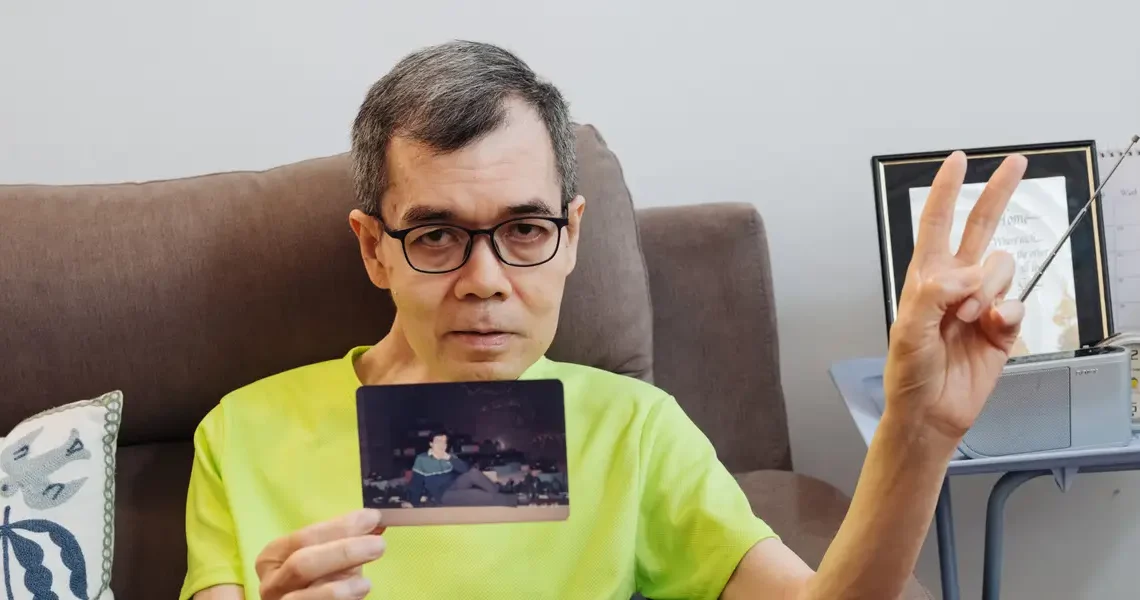
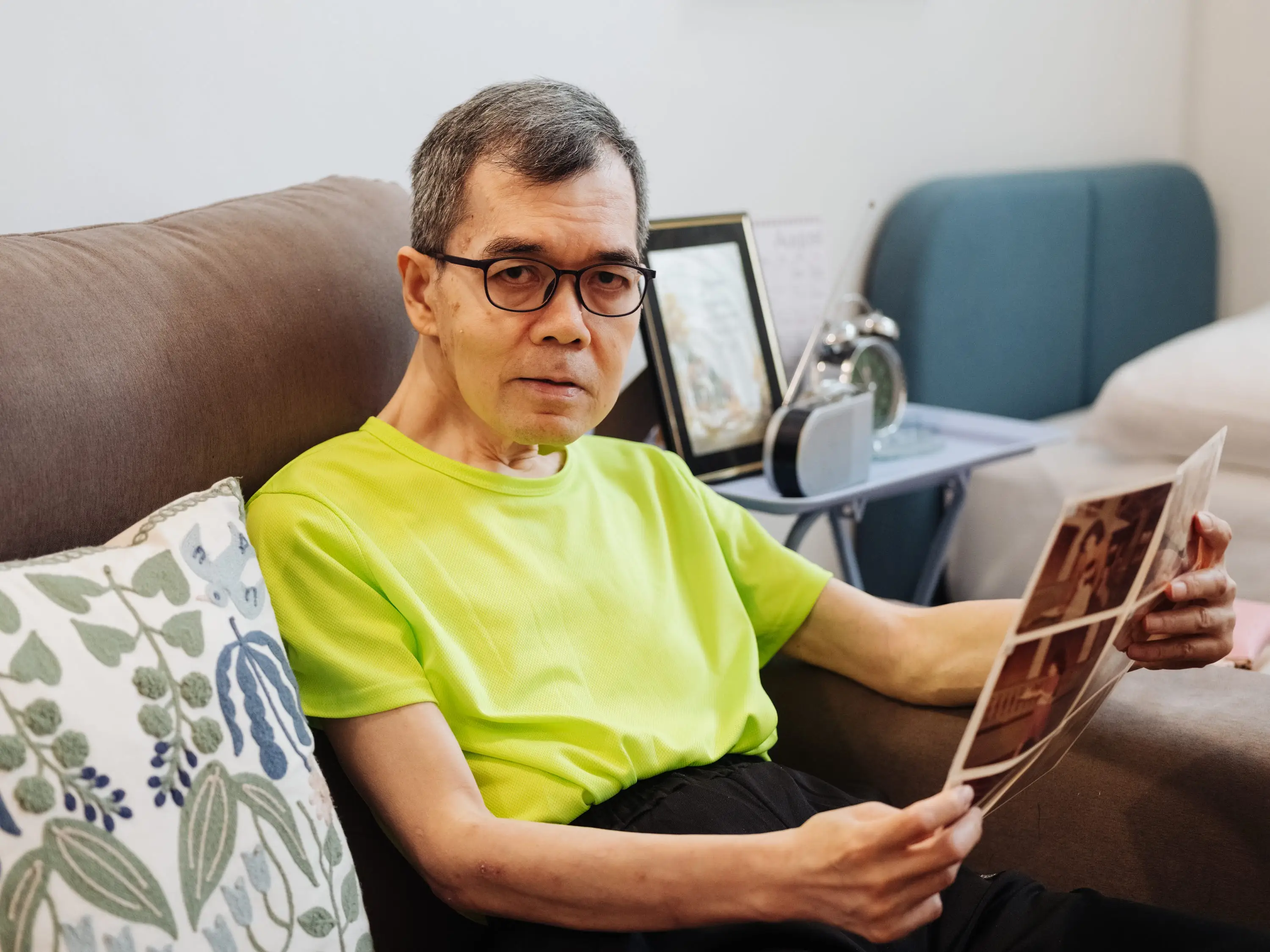
This as-told-to essay is based on a conversation with Victor Lee, 69, who lives at Camino House, an assisted living facility in Singapore. This interview has been edited for length and clarity.
For as long as I could remember, I lived with my three older siblings in a two-story apartment in Singapore.
I worked as a sales assistant at a popular department store, but stopped working in my 20s because of health issues. My siblings took care of me after that, and I relied on them to help me get by day to day. We were all single.
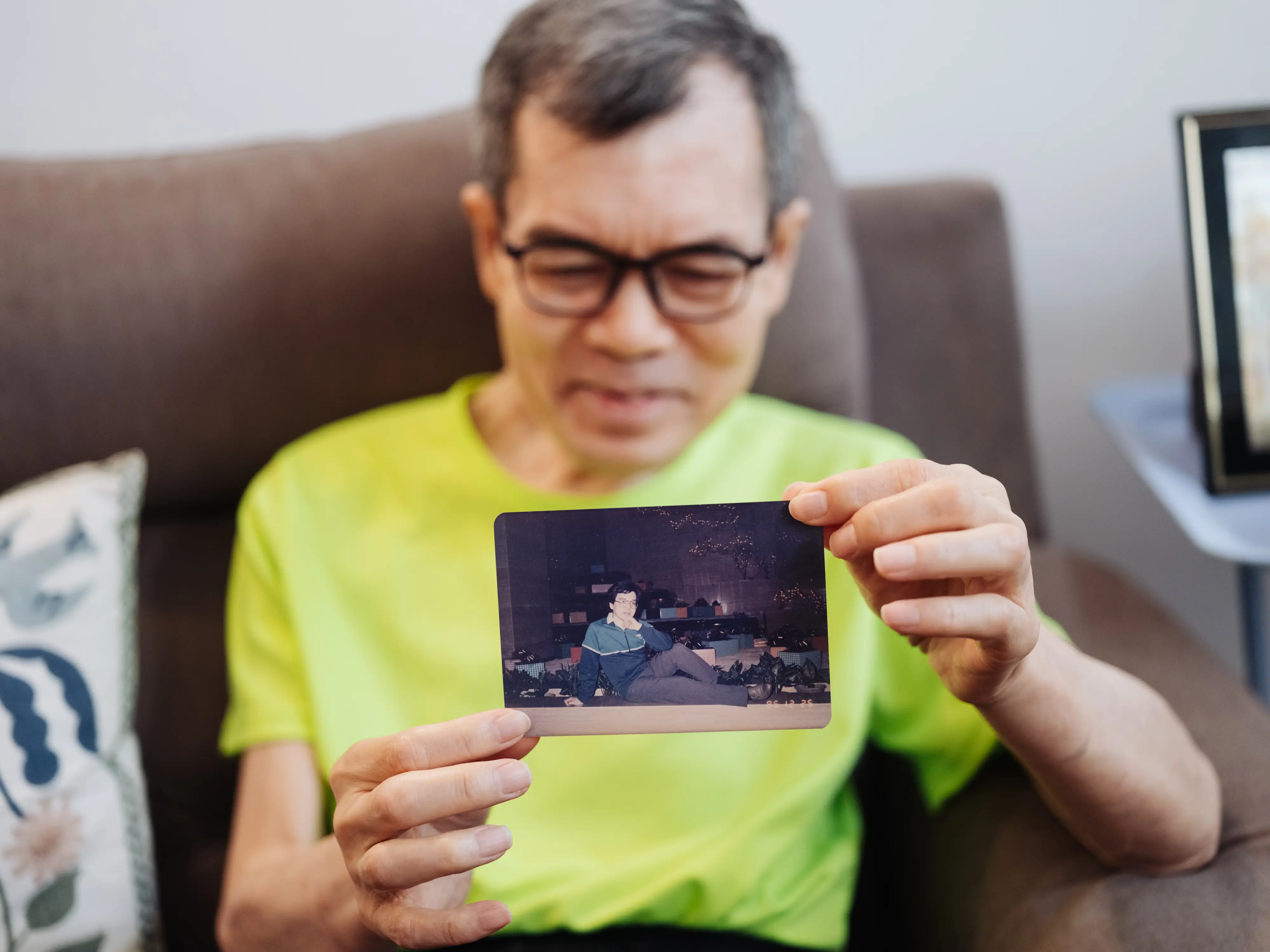
But as the years went by, age caught up with them one by one, and I was left on my own.
For over two years, I lived alone in that apartment we once shared. But as I got older and less mobile, it became harder to manage the stairs every day. I fell several times, and I started to realize how dangerous it was to be by myself.
Each time I fell, there was nobody around to know. But the last time was the one that made me realize I could not keep living this way.
I remember lying there for a long time, struggling to get myself up. When I finally managed to, I had to call an ambulance — and then open the door for them myself.
Choosing assisted living
I decided to sell my apartment and downsize to a smaller public-housing flat. But like other Singaporeans who buy these Build-to-Order flats, I would have to wait several years for the apartment to be ready.
In the meantime, I knew I needed to find a place where help would be nearby if I fell again.
Since I was still fairly independent and able to manage most daily activities on my own, a traditional nursing home didn’t seem like the right fit for me. Thankfully, a social worker I knew helped me consider my options.
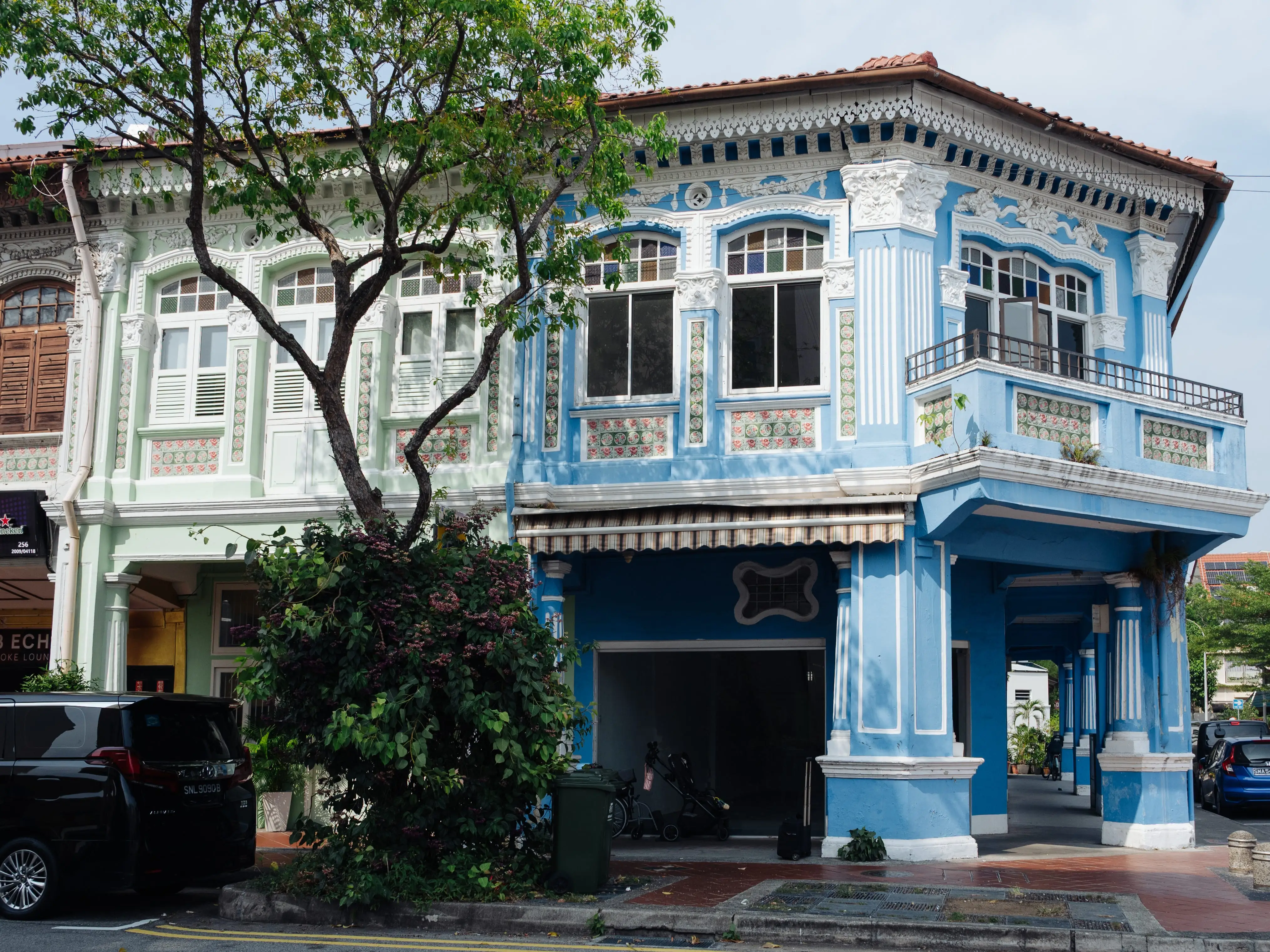
She introduced me to Camino House, an assisted living facility not too far from where I’d been living.
It’s in a shophouse, one of Singapore’s narrow, colorful historic buildings that traditionally had businesses on the ground floor and homes upstairs.
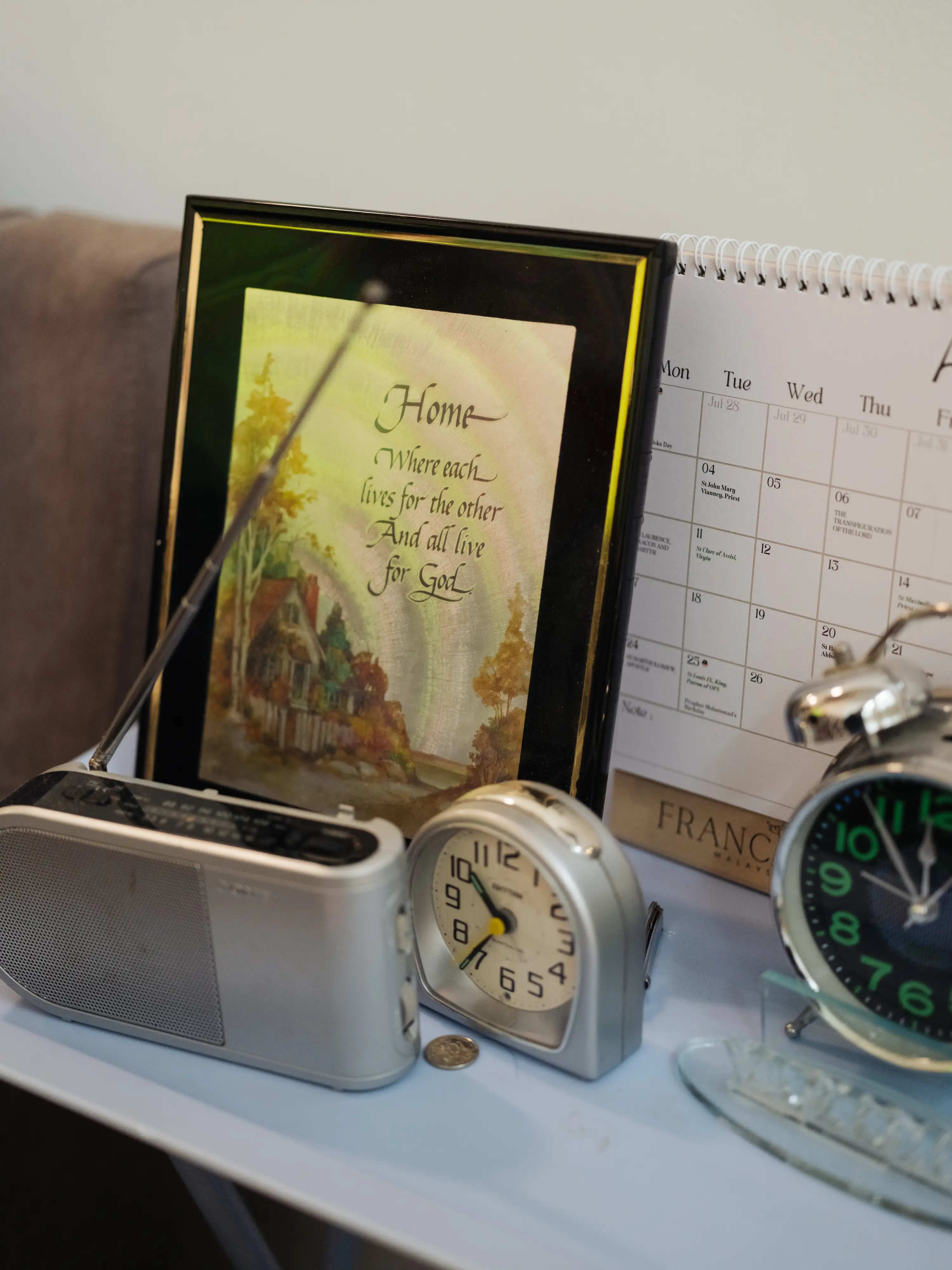
I came to see it twice before I moved in in 2023. I knew there were other facilities, but I found them rather old and a bit crowded. In contrast, I found Camino House to be a very nice, quiet place. Right now, there are seven residents, including me.
The caregivers are always helpful and cheerful — I call them my “sunshine girls.” They are there when I need help, but I still have the freedom to do things on my own.
Life at Camino House
I have a private room with an en-suite bathroom, and I pay 5,800 Singapore dollars, or about $4,500, every month. This covers my room, meals, laundry, and care.
I normally wake up early, around 6 a.m. After washing up, I head downstairs for breakfast, where I usually have oats with blueberries and honey.
I enjoy doing my own exercises, and several times a week, I’ll join the group activities held in the common area. We do things like painting and rattan weaving, and sometimes volunteers or children from nearby preschools come by.

In the afternoons, I often attend mass online, read, or spend time with the other residents. On Sundays, I try to go to church.
Before I came here, I was a rather introverted person. I think I’m the most talkative one now. I enjoy interacting with people. It feels more like a family here.
Read the original article on Business Insider
The post I’m 69 and pay $4,500 a month to live in a care home. It’s given me a better sense of community. appeared first on Business Insider.