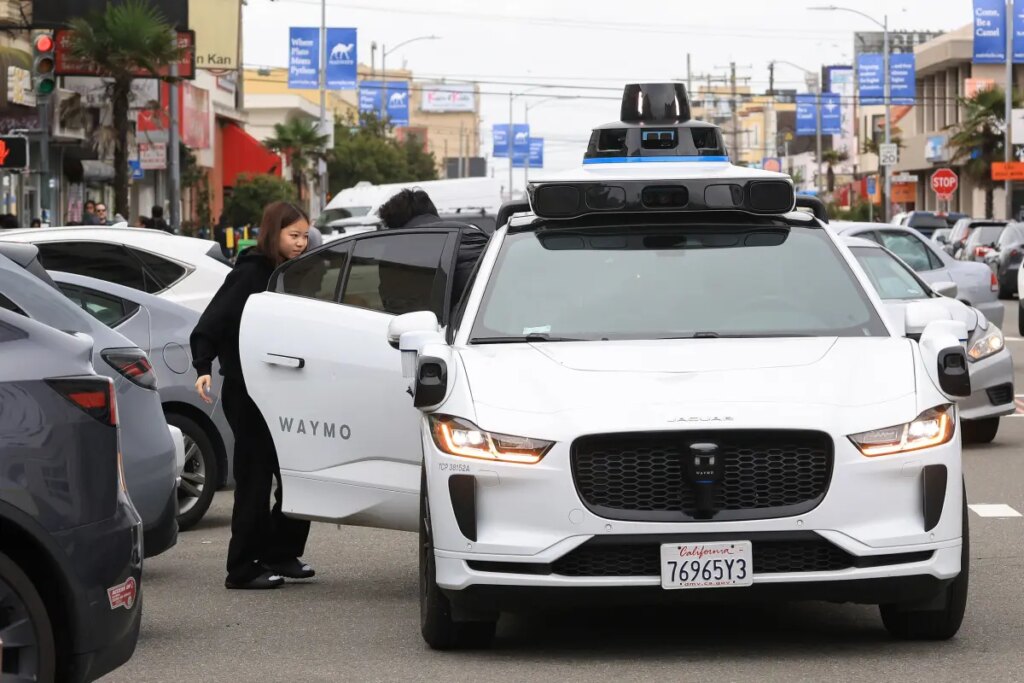
Driverless cars have become part of the California lifestyle — far ahead of the rest of the country. They were a little creepy at first, but now they feel like one of the many advantages of living here.
Yes, it was hard to accept a role as the backseat driver, after decades of driving myself in LA. But I must admit I’ve finally found my perfect ride.
It’s clean, quiet, and reliable. It knows the best shortcuts, and it even greets me by my name.
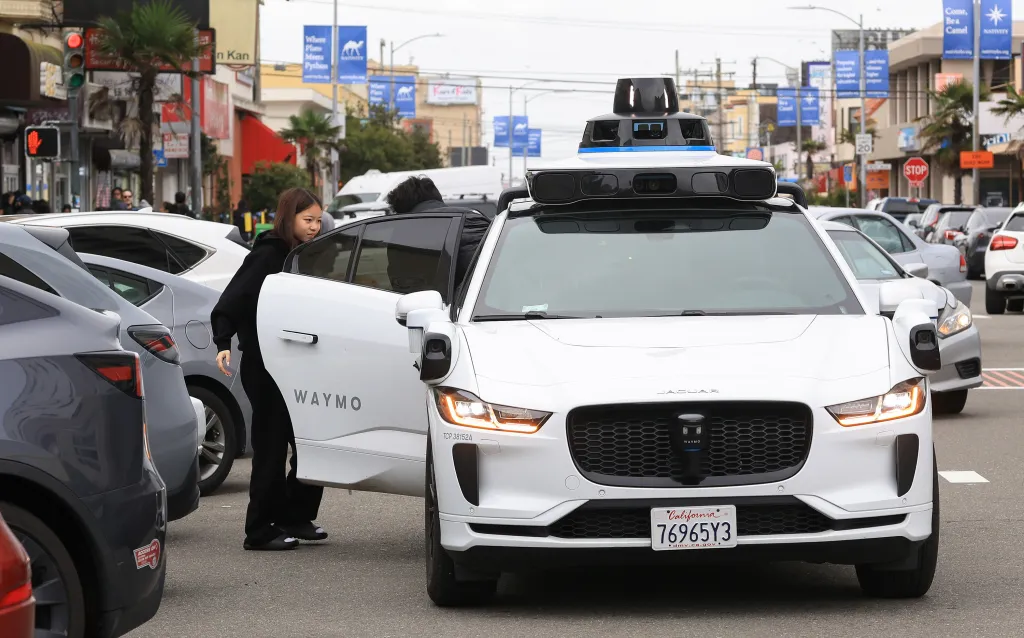
Waymo started offering rides in LA in 2024. Two years later, the robotaxi company (which is owned by Alphabet, Google’s parent company) has just expanded service to the South Bay, bringing its sleek white Jaguars to Torrance, El Segundo, and Manhattan Beach.
Many people have “Waymo anxiety,” concerned about safety or how driverless cars may eliminate human taxi or rideshare jobs.
Some healthy concerns are valid, but I think the robot cars are perfect for when you want a sanctuary from the chaos of the LA megalopolis — and want to be alone with your thoughts.
Driverless cars don’t have to be perfect to improve on the distracted, exhausted, and sometimes intoxicated humans who are already behind the wheel. There are 40,000 car accidents a year in LA — that’s 110 a day — and most of them are the result of human error.
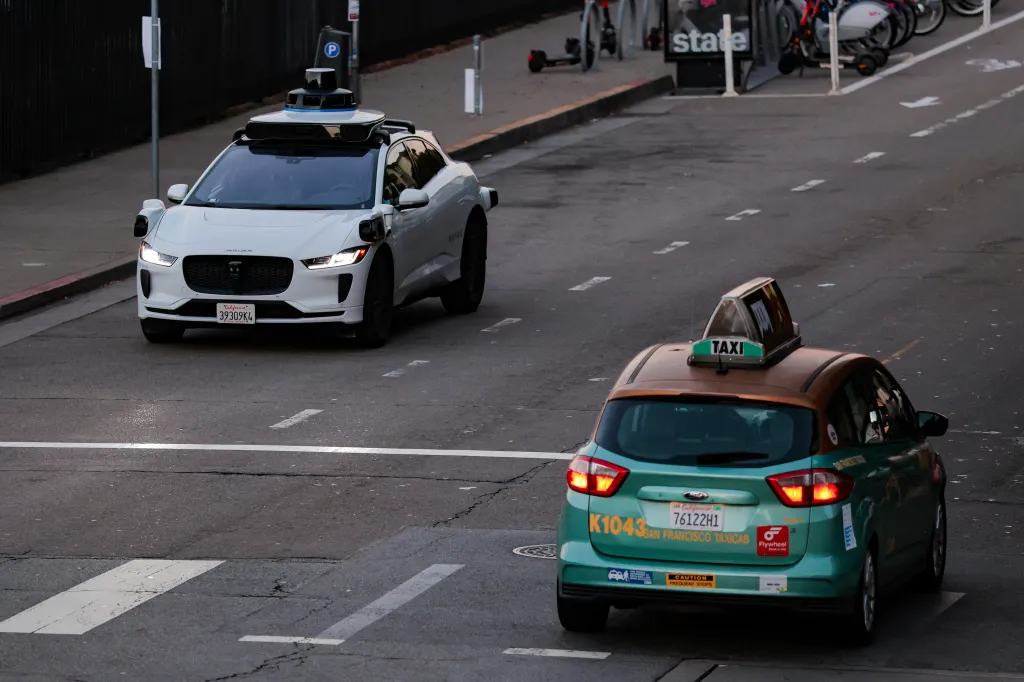
As robotaxis proliferate, we should monitor their safety performance, as well as their effect on jobs. But fear of change shouldn’t keep us from embracing technology that could save lives.
Many who use Waymo have, like me, learned to love it. Some appreciate that you don’t have to tip: You can travel just a few blocks and never have a driver shake his or her head in shame at your reluctance to walk.
My friend Victoria describes the experience as a comforting womb-like cocoon. It’s almost therapeutic, she says. Her hubby, a former New York City cabdriver, gleefully embraces Waymo. Is that like a butcher endorsing tofu?
Justin, an engineer and passionate supporter of Waymo, loves that “Computers don’t get drunk, distracted, exhausted or angry.” They don’t text their exes at red lights, apply mascara, or watch a Turkish soap opera on a dashboard iPhone. With zero potential for road rage, they keep the roads anodyne and peaceful.
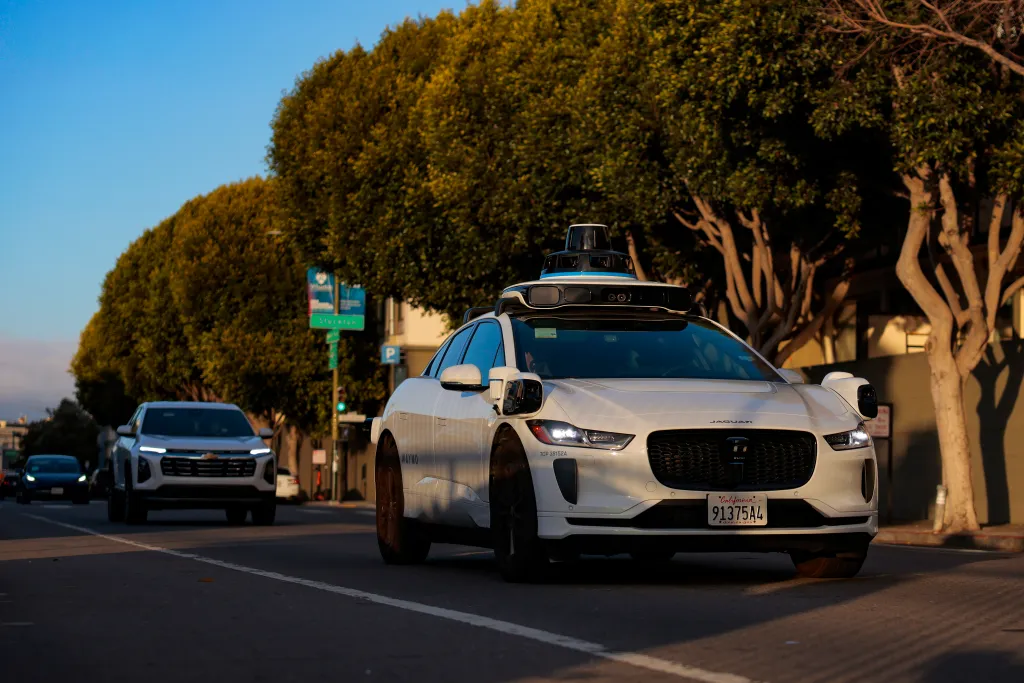
My daughter loves Waymo because she doesn’t have to make small talk or eye contact with the driver; she simply connects her Spotify and settles into her own private sanctuary.
Waymo says its safety analyses have found fewer serious crashes in certain categories than comparable human-driven vehicles. But impressive technology doesn’t mean it’s infallible.
Critics of Waymo describe near-misses and questionable maneuvers. Can a computer match a human driver’s split-second reflexes in a sudden emergency? Moreover, who cleans the cars? What if a prior passenger smokes or vomits?
Those are serious issues, even in human-driven rideshares. My Uber-driving pal Ivor, who’s clocked over 30,000 rides in 12 years, stopped driving nights due to drunken couples fighting in his back seat. He actually enjoys riding in Waymos himself, welcoming innovation on the road.
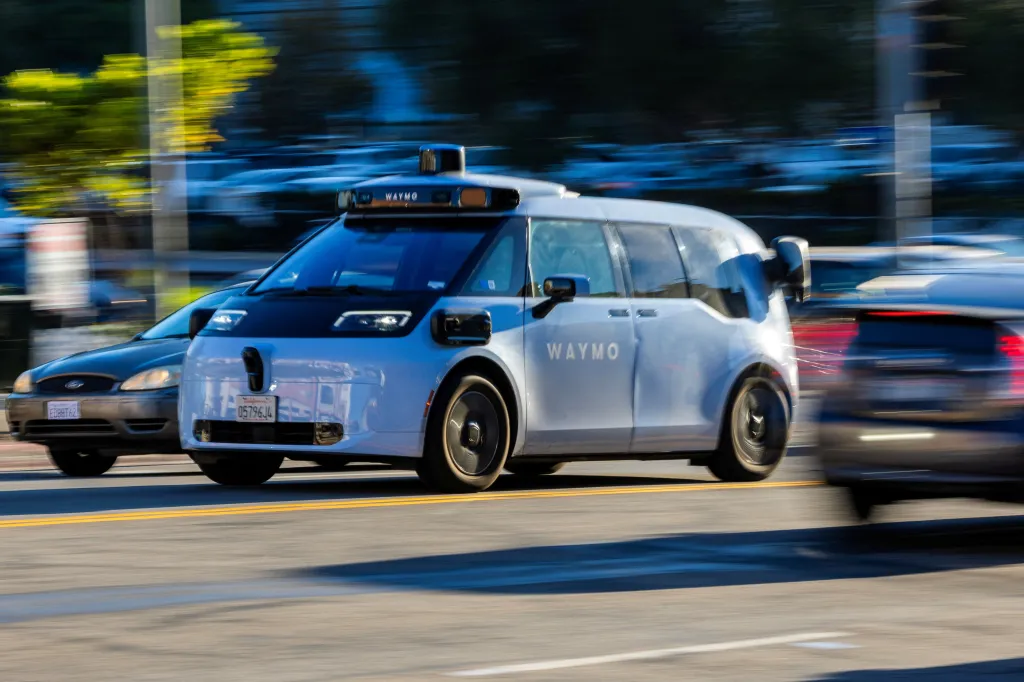
What seriously bothers Ivor is corporate greed. When Uber cut the drivers’ share of fares, in tandem with California’s rising gas and food prices, it made affording LA impossible, unless Ivor clocks 12-hour days.
Others worry about surveillance, and the gradual erosion of human connection. A human driver might recommend a restaurant, tell you a fascinating story, or even become a new friend. But although Waymo offers a sanctuary from the unwanted advances of strange men, it won’t make small talk that makes the miles go by.
Great news: Unlike the days before Waymo’s advent, we now have a choice.
Some days I want conversation and connection.
Other days, I just want peace and privacy.
Personally, I will take a robot that behaves as a courteous human over a driver who behaves like a robot.
Love it or hate it, what rolls through California today could be rolling through your neighborhood tomorrow.
We are already sharing our roads with robots. I’m still waiting for flying cars — already seen in Dubai.
Give us evidence, safeguards and accountability. Then I’ll buckle up — and enter the blissful sanctuary of a Waymo backseat.
Liz Angeles is a massage therapist who runs the top-rated Just What You Knead in Santa Monica.
The post I’ve surrendered to LA’s robot invasion after discovering an unexpected pleasure in the back seat appeared first on New York Post.