During a swing through Detroit in the final days of the midterm campaign, former President Obama invoked the kind of gauzy pluralism that Democrats were so proud of during his presidency. He pointed out that Michigan had the opportunity to pull off an improbable feat: By electing Abdul El-Sayed to join Elissa Slotkin in the Senate, the state could turn its delegation into a walking symbol of buried enmities and transcendent harmony. “You’ve got a Muslim man, you’ve got a Jewish woman fighting for you in the United States Senate,” Obama said. “That’s something, Michigan, you can be proud of.”
It took exactly a week for that optimism to run aground on the rougher shoals of modern Democratic politics. The following Sunday, Representative Haley Stevens withdrew her backing of El-Sayed and threw it to his opponent, the Republican Mike Rogers, citing, in part, El-Sayed’s stance on the issue that has divided Democrats more than any other this year: Israel. The abrupt reversal didn’t prevent El-Sayed from winning decisively. But that outcome masked the apprehensions that I heard again and again this week from Michigan Democrats about the potential for tensions over the Middle East to rupture the broad coalition that the party assembled to win in 2026.
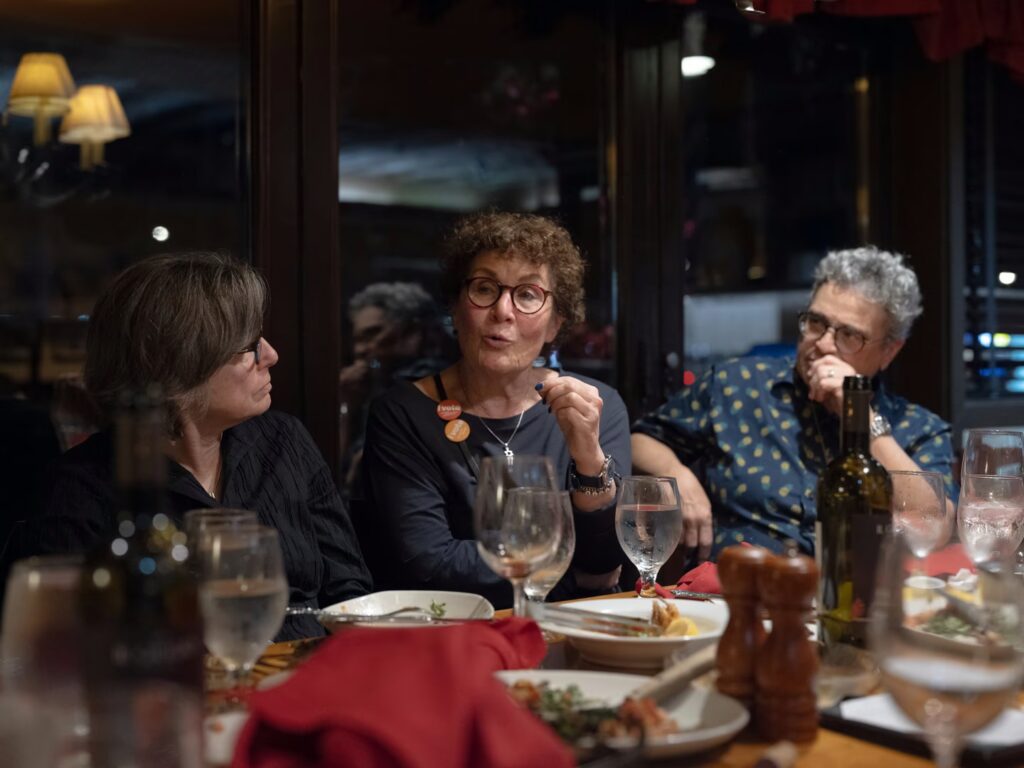
By the time I sat down with a group of Democratic activists at a red-sauce joint in Ann Arbor, on Election Night, the first bottle of wine was already empty. Nearly everyone at the table had voted for El-Sayed, who hours later would go on to make history as the first Muslim elected to the U.S. Senate. But no one was gloating. If anything, the Jewish Democrats sharing bruschetta and pasta seemed a little shell-shocked, groggily emerging from a bitter Senate campaign and reckoning with what they described as one of the most difficult votes they had ever cast.
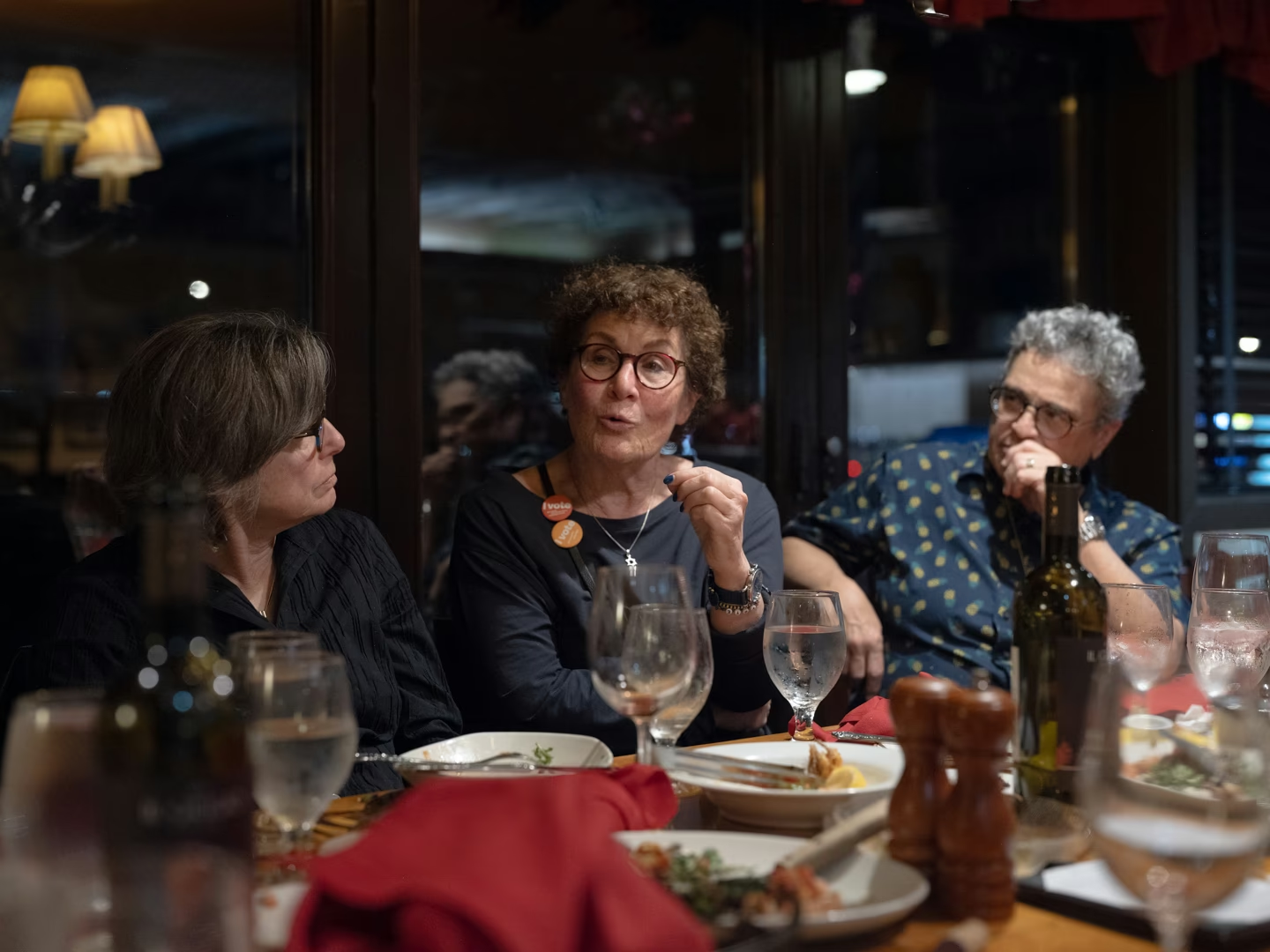
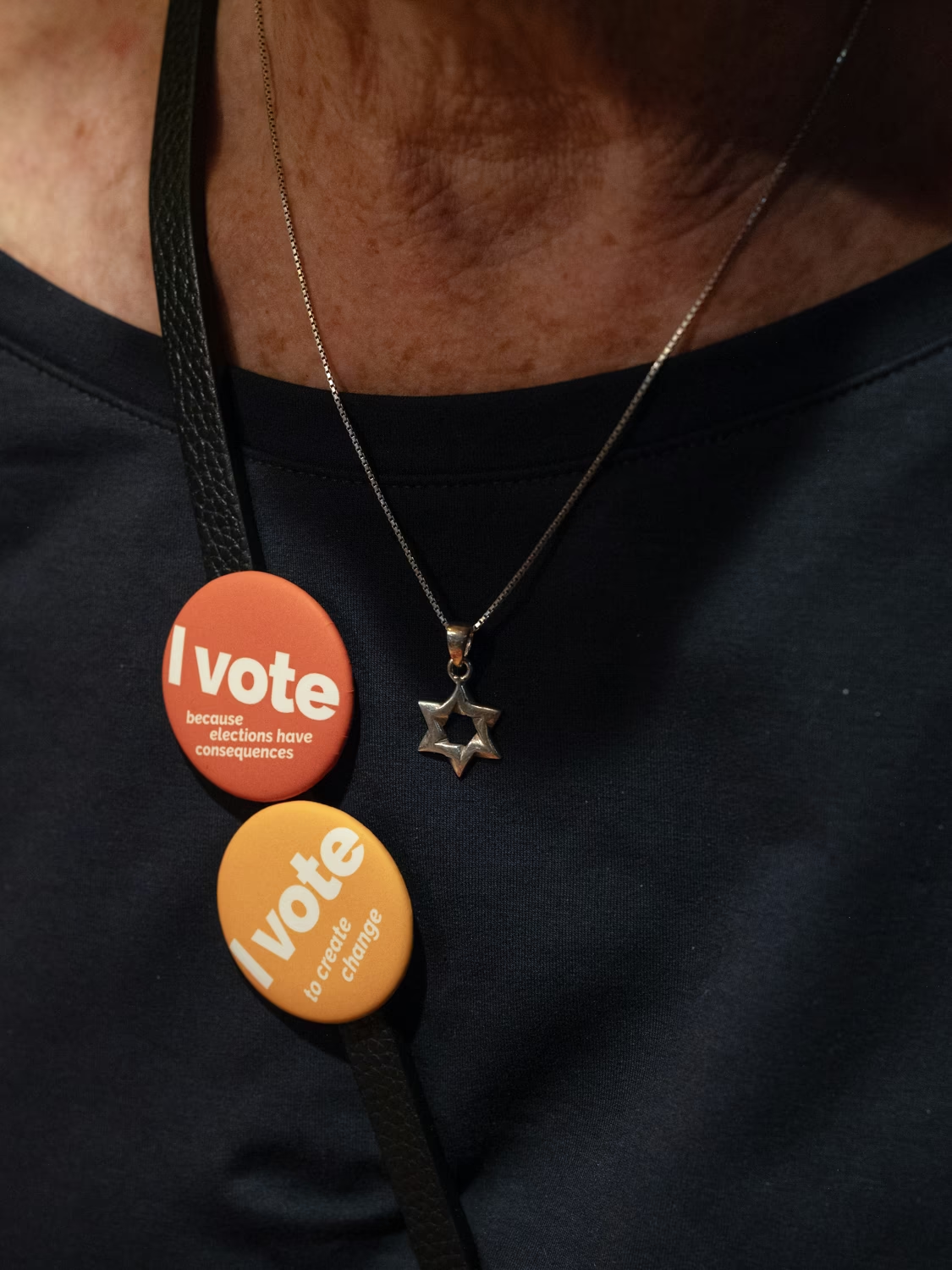
Everyone at the table wanted the same thing: to see Democrats retake control of the Senate and repudiate President Trump. None of them, however, was particularly excited to elect a senator who seeks to make Israel a pariah, who speaks about Zionism in a way that they said makes Michigan Jews unsafe, and who campaigned with Hasan Piker, the far-left streamer who has said that “America deserved 9/11.” In other words: They did not want to elect a senator like the candidate whom all but two of the people around the table had just voted for. “It’s hard to express the depth of heartache that’s happening here on the ground,” Decky Alexander, who organized the dinner of 11 people, told me. A theater professor, a vice chair of the state Democratic Party, and the leader of its Jewish caucus, Alexander voted for El-Sayed with certitude but not excitement. She views the far right as more of a problem to the country—and to American Jews—and her husband, Bruce Kutinsky, believes that the far left is a bigger threat. He reluctantly voted for Rogers, the Republican.
[Read: The Hasan Piker question]
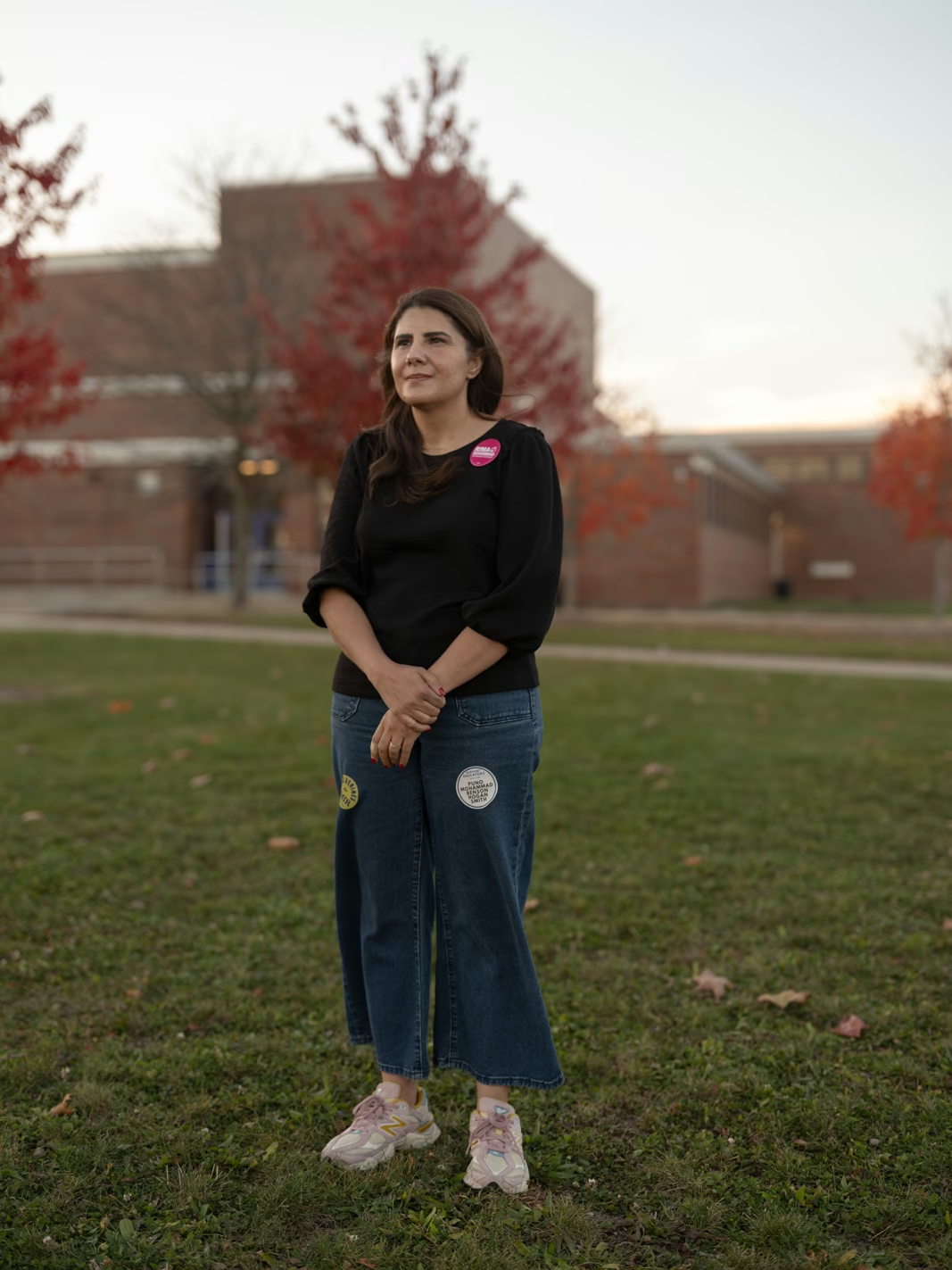
Even as the group eagerly discussed the anticipated Democratic gains nationwide, there was a plaintive quality to their conversation about El-Sayed’s impending victory. Earlier that evening, Ann Arbor school-board member Rima Mohammad had none of that apprehension as she reflected on the Senate race outside a polling place across the street from Michigan Stadium. The 46-year-old pharmacist spoke softly, her voice scratchy after a long weekend of get-out-the-vote efforts. Mohammad, a Palestinian American whose grandparents were forcibly displaced from their homes in what is now Israel in 1948, came to Ann Arbor for a residency at the University of Michigan, where she now teaches. Mohammad grew up poor in Cincinnati, part of the only family of color in a very conservative neighborhood. She told me that a victory by El-Sayed would be “life-changing,” especially for her four kids to see. “It’s not even about being Muslim,” Mohammad explained. A win would show that “elections are not gonna be bought” by corporations and groups such as AIPAC, she said, and “also that hate is not going to win.”
The Israeli-Palestinian conflict has been perhaps the biggest and ugliest point of division within the Democratic Party in the three years since the October 7 Hamas attacks on Israel and the resulting war in Gaza. President Biden, a self-proclaimed Zionist who viewed Israel as both an essential security partner to the U.S. and a country with similar values, pledged American support for the war against Hamas—prompting a backlash by progressive activists. A protest movement led to more than 100,000 Democrats voting “uncommitted” in Michigan’s 2024 presidential primary to register their discontent. President Trump received more votes than Kamala Harris in Dearborn, the heart of Michigan’s Arab American community, which historically votes for Democrats.
This year, the Democratic Senate primary in Michigan became the main battleground for the party’s internal fight over the U.S. relationship with Israel. Stevens defended Israel as an “imperfect” ally, one that is America’s “truest friend” in the Middle East. El-Sayed has made clear that he does not view Israel as an American partner. He called the country “bloodthirsty” and said that, like Iran, it is a threat to the United States—rhetoric that some Jewish Michiganders worry might open the door to anti-Semitic elements on the left. After El-Sayed won the primary and Stevens backed him, the issue faded and the party appeared to be united, particularly amid Republicans’ overtly Islamophobic attacks on El-Sayed. Stevens’s last-second pivot to Rogers resurfaced an issue that Democrats will not be able to ignore for much longer.
Democrats who are about to be in control of Congress now need to figure out how to handle divisions over Israel and Gaza that show no signs of being mended. There will be a “real battle for the soul of the party” as a number of Israel critics arrive in Washington, David Kramer, an insurance executive who served as chair of Stevens’s primary campaign, told me. El-Sayed is already talking about the issue. In his victory speech late Tuesday, he spoke about protecting Palestinian children from “being murdered by our tax dollars” and said that Michiganders “don’t want our money sent to do apartheid or genocide or war.” He took a moment to taunt AIPAC: “Thank you for giving me the opportunity to beat you twice.”
Jewish and Muslim voters alike told me this week that they see El-Sayed’s election as a pivotal moment in Democrats’ evolution on the once-marginal issue of the Israeli-Palestinian conflict. Democrats have indisputably moved left over the course of the Gaza war; all but seven Democratic senators voted earlier this year to block certain weapons transfers to Israel, a tally that would have once been unthinkable. (Republicans, though still more reliably pro-Israel than Democrats, have also shifted away.) The question is whether El-Sayed will succeed in moving Democrats even further to the left, or whether the party, with a slew of new lawmakers and a surprisingly large Senate majority, will be able to find room for a wide spectrum of beliefs.
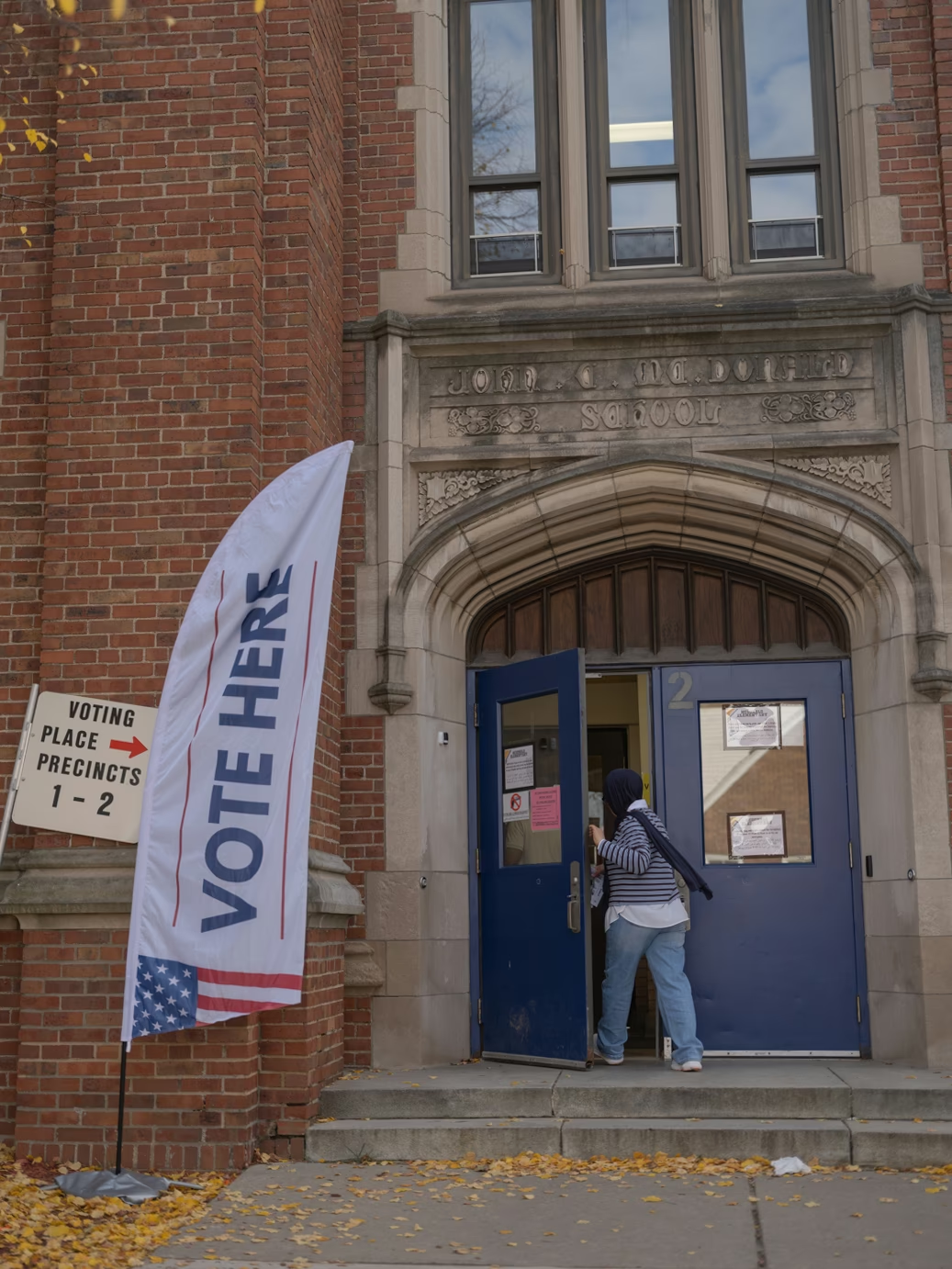
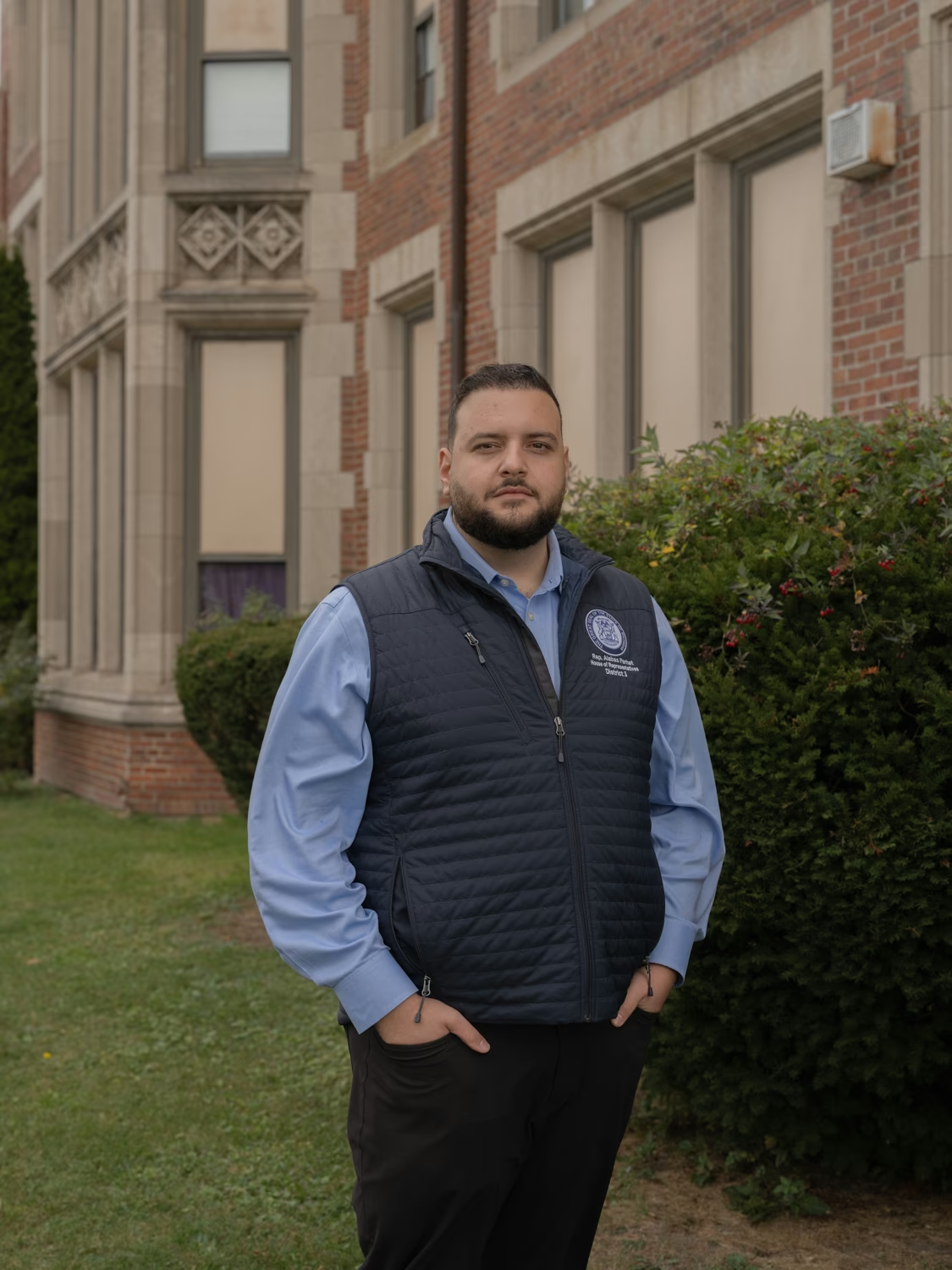
Many Muslim officials and activists see El-Sayed’s election as a banner moment for pro-Palestine activism. On Tuesday morning, outside a hundred-year-old redbrick elementary school in Dearborn that served as a polling place for many in the city’s large Arab American community, Alabas Farhat sprinkled his good mornings with Arabic phrases as he greeted voters. The 26-year-old state representative from Dearborn said he cared less about El-Sayed being the first Muslim senator than about him being an “‘America First,’ ‘Michigan First’ U.S. senator.” El-Sayed maintains that Washington’s financial support for Israel’s war in Gaza—which left tens of thousands dead after Hamas militants attacked Israel in 2023 and killed approximately 1,200 people—means less tax money is available for health care and education back home in America. The message resonates for Farhat, whose family is from southern Lebanon. “He’s going to speak out when something is wrong in a way that the status quo will not know how to handle,” Farhat told me.
El-Sayed understands that Democrats’ attitudes toward Israel have shifted. In a June AP/NORC poll, 58 percent said that the U.S. was too supportive of Israel, up from 45 percent in early 2024; 62 percent of Democrats said that the U.S. was not supportive enough of Palestinians. Michigan Jews understand these trends too. They’re just divided about whether to cheer them—as a mostly young, progressive contingent has done—or try to reverse them. Hannan Lis, a businessman who splits his time between the Detroit metro area and Israel, has supported Democratic politicians for years. This year, he raised money for the Democrat Jocelyn Benson, the new governor-elect—and also held a fundraiser for Rogers. Lis believes that Israel faces “an existential threat,” and he worries that Democrats don’t care. “I’m not optimistic about how the party is going to deal with this,” he told me in a phone call from Israel this week.
Josh Whinston also does not feel hopeful. The Reform rabbi told me on Election Night in Ann Arbor that he worries El-Sayed’s rhetoric—particularly when he calls Israel “bloodthirsty” and seems to pin the American cost-of-living crisis on U.S. support for the country—could lead people to take out their frustration on Jews, many of whom have deep personal and religious connections to Israel. “For me, this has only been about Jewish safety in Michigan,” Whinston, who declined to share whom he voted for, said. Several Jewish Democrats told me that they were alarmed by an anti-Rogers ad during the final days of the election that showed an American couple at a grocery store saying they can’t buy eggs, because that money has to be used for “killing Palestinians.” El-Sayed has said he does “not agree” with the ad, which was made by an outside group.
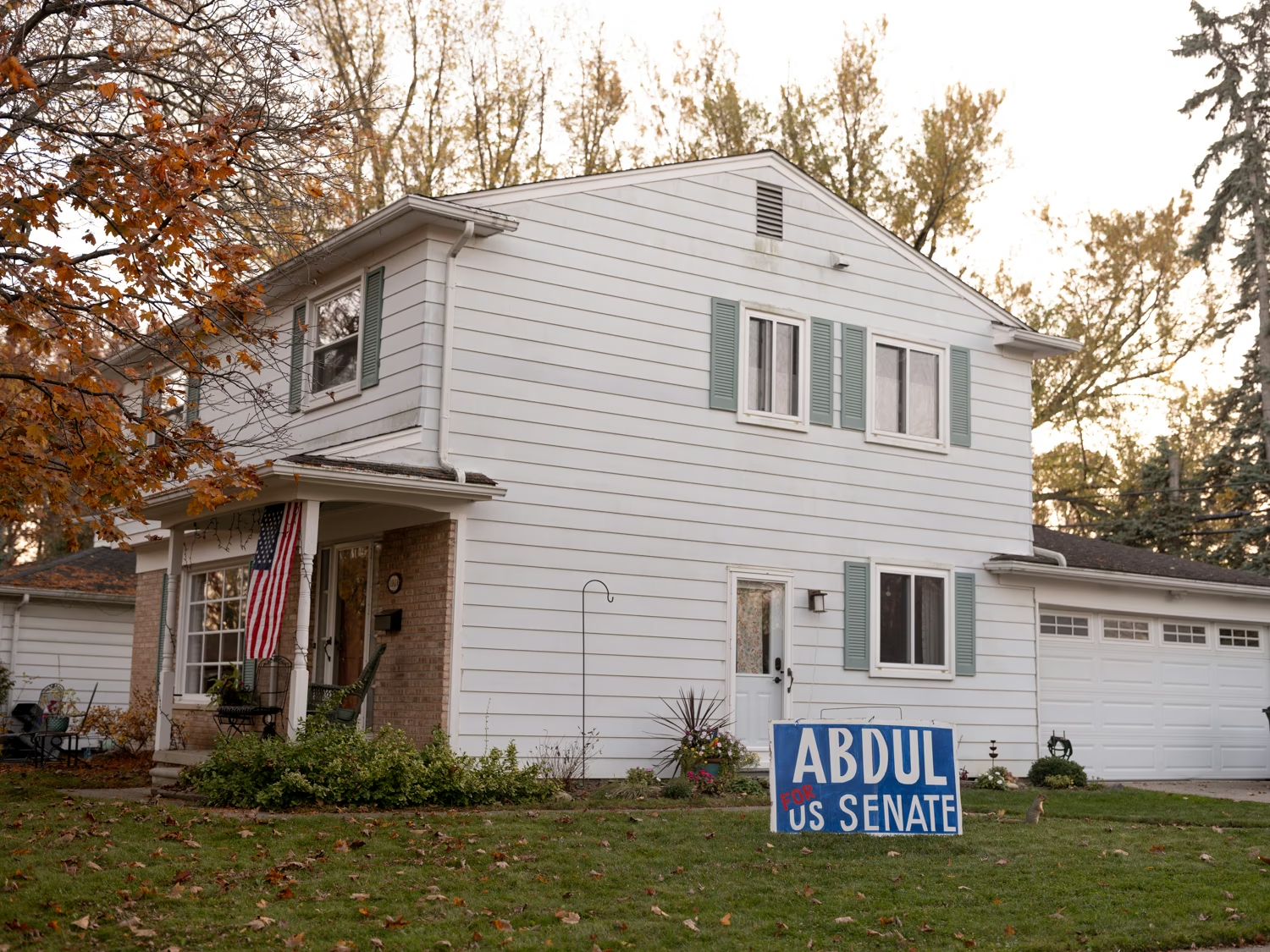
El-Sayed has made other attempts to reassure his Jewish critics. Perhaps the lowest point for his relationship with skeptical Jewish Democrats came in March, when he condemned a terrorist attack at a synagogue near Detroit but also said that “hurt people hurt people,” noting that the perpetrator’s family had been killed by Israeli air strikes. To many Jewish voters here, the comment read as justification, or at least undue sympathy. Several months later, after the primary, he told Jewish Democrats that he regretted using those words. He also hired a Jewish outreach director toward the end of the campaign and met personally with many prominent Jewish Democrats, including some—such as Whinston and Decky Alexander—who were skeptical of him. The meetings didn’t necessarily help. Alexander said that El-Sayed told her that he could win without the Jewish vote, and that he would make up the votes from other minority communities. (A spokesperson for El-Sayed did not respond to a request for comment.)
[Read: What El-Sayed does next matters]
National polling consistently shows that more than two-thirds of Jews vote for Democrats. For many, their faith underscores their support for liberal values. And until recently, support for Israel was generally a no-drama, consensus issue. Jewish Democrats must now contend with the reality that something many of them consider a core belief—maintaining strong ties with the Jewish state—is no longer a given for the politicians in their party.
Jordan Acker, a Democratic attorney, called me on Tuesday morning as he drove to cast his ballot near his home, in Huntington Woods. Earlier this year, he lost the party’s nomination for a second term on the University of Michigan’s Board of Regents. Acker—whose home and law office were vandalized in 2024 by pro-Palestinian activists who were unhappy that he opposed divesting from Israel—would not tell me whom he planned to vote for. “Either way, tomorrow morning, we’re gonna wake up with a senator-elect who in some way is opposed to our interests and may actually be opposed to listening to our community about its interests,” he told me.
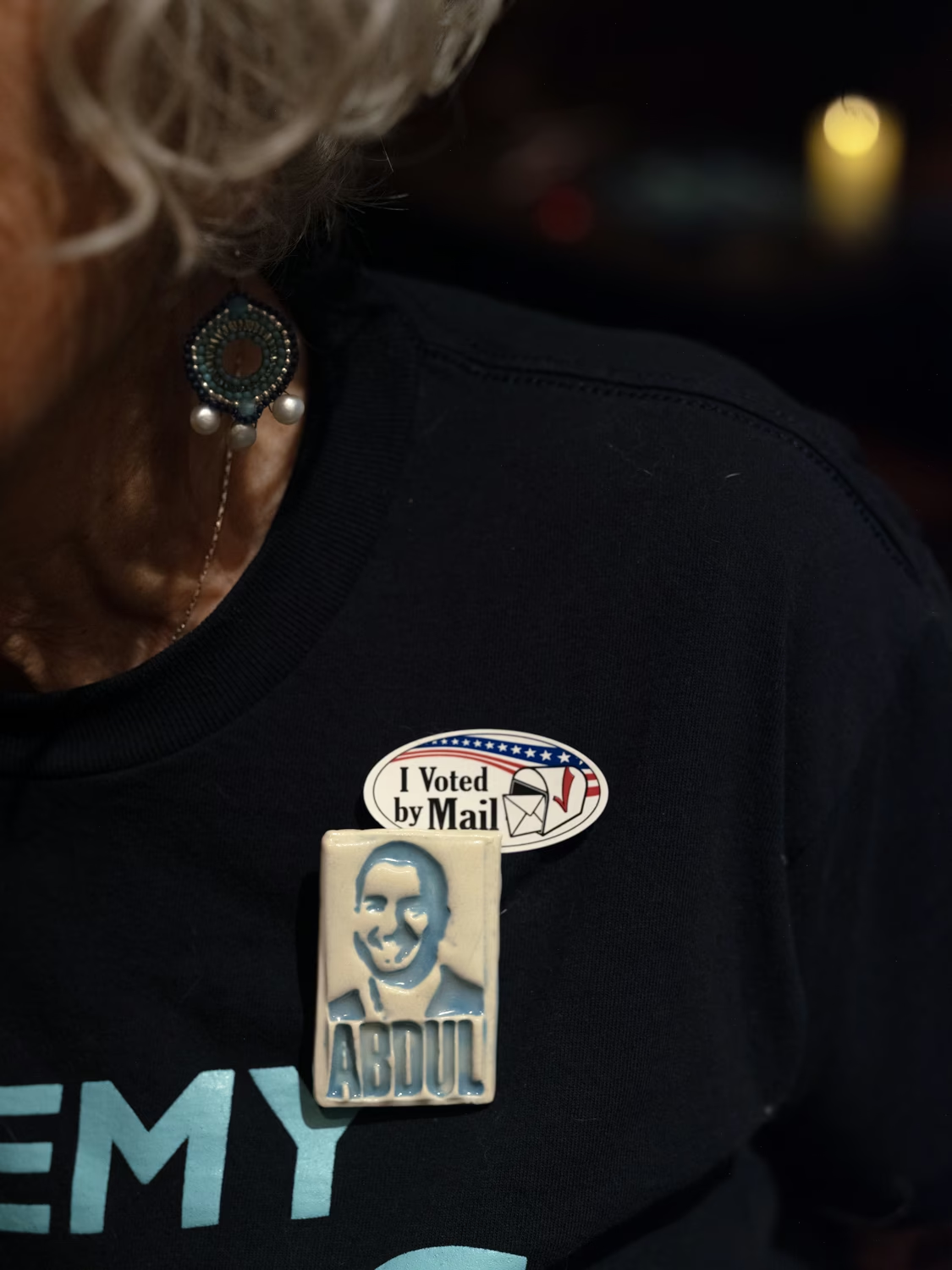
Palestinian American voters say they can relate to the feeling of their opinions not being especially valued by their party. Amer Zahr, an adjunct law professor and comedian who lives in Dearborn, has been a Democrat his whole life. But he wasn’t particularly enthusiastic until Bernie Sanders’s presidential campaign a decade ago marked “the first opportunity we had to have Palestine be visible in a national campaign,” Zahr told me. He pulled up to the Dearborn elementary school in an Audi with a license plate that said PLSTN48. His father was one month old in 1948, the year of Israel’s founding, when Zahr’s relatives were forced out—to Jordan, where Zahr was born. His parents brought him to America as a toddler.
In El-Sayed, Zahr sees a politician who can emulate Sanders’s ability to be the left-most voice on any particular issue, even if it’s lonely. “He’s going to have to be further than anyone else currently there. He’s going to have to be the standard bearer,” Zahr said. He wants to see an unconditional recognition of Palestinian self-determination from Washington. If El-Sayed needs to filibuster to stop funding weapons for Israel, then Zahr expects him to.
El-Sayed will join at least 10 freshman Democrats in the Senate in January, including several moderates from traditionally deep-red states such as Kansas and South Carolina. Conventional wisdom says El-Sayed’s new colleagues are more likely to follow the lead of more senior senators than that of a freshman from the Rust Belt when figuring out how to vote on foreign-spending packages. But in this new political reality, where wins for Democrats keep pouring in from the most unexpected places, it wouldn’t be a surprise to see El-Sayed push hard for his vision of the world—and for his new colleagues to listen.
The post The Democrats’ Fight Over Israel Is Just Beginning appeared first on The Atlantic.