Santiago Peña, the president of Paraguay, was impeached, removed from office and arrested on Friday, just days after the collapse of a major bank in the South American nation that has left millions without access to their savings.
Mr. Peña is under criminal investigation over his relationship to the bank, Ueno, and his handling of the crisis. He was detained at his residence in Asunción, the capital, on Friday, hours after the authorities issued arrest warrants for him and the central bank’s former president, Carlos Carvallo, on charges of abusing their positions.
Mr. Peña’s vice president, Pedro Alliana, has been sworn in to succeed him as interim president until Paraguay holds elections in 2028.
Ueno’s implosion could undermine Paraguay’s reputation as an economic exception in a region saddled with debt, high inflation and sluggish growth.
The bank, one of Paraguay’s largest, went under this week after regulators found it was no longer solvent. The nation’s central bank took it over early Tuesday. The same day, Ueno’s chief executive, Miguel Vázquez, and other senior company directors were arrested on charges including attempted fraud. Mr. Carvallo, the head of the central bank and a former president of Ueno, also resigned Tuesday.
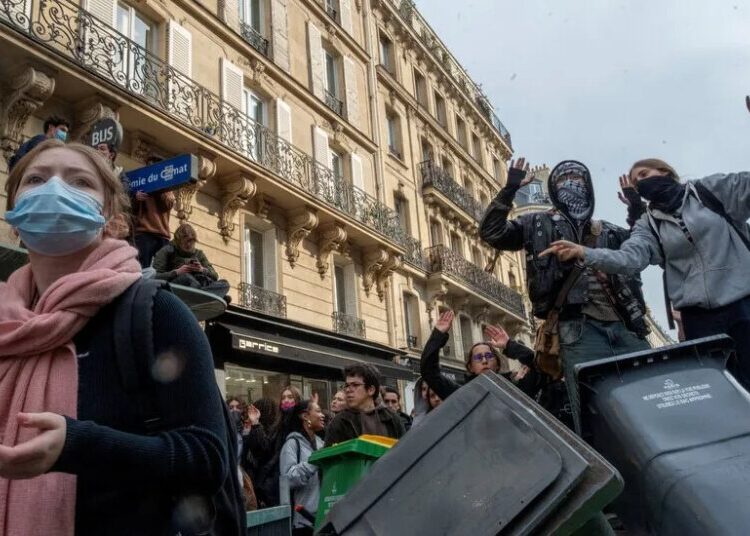
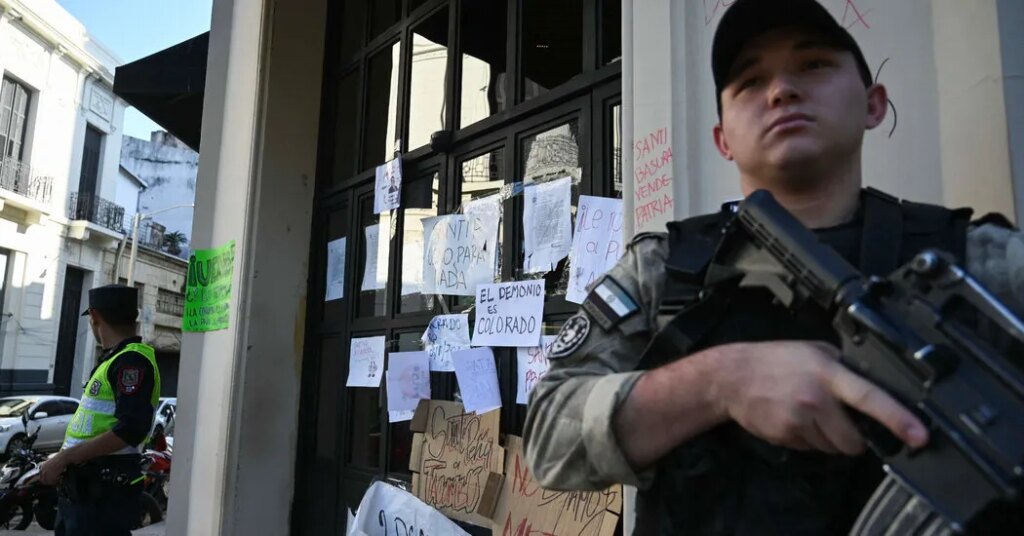
Street protests sprouted as people across the country discovered they could no longer withdraw cash, make digital payments or use bank cards to buy groceries. Paraguay’s ousted president, Mr. Peña, who until last year held shares in a related company called Ueno Holding, attempted to resign on Thursday as criticism over the crisis mounted, but Congress refused to accept the resignation. On Friday evening, senators voted unanimously to impeach him, removing him from office.
Here’s what to know about the financial crisis in Paraguay.
What drove Ueno’s rise?
In a few decades, Ueno grew from its origins as a money lender in a ramshackle market in Asunción, Paraguay’s capital, to a youth-friendly banking app and major financial player.
The bank, known for catering to low-income clients, had emphasized its geographical reach in its promotional materials. Late last year, Ueno said it operated the second-highest number of bank branches and the most A.T.M.s in the country.
“They built a successful and agile model that brought many previously unbanked Paraguayans into the formal financial sector,” said Alejandro Garcia, managing director for Latin American banks at Fitch Ratings.
The bank saw an influx in public deposits after Mr. Peña took office in 2023. And in 2024, Ueno grew substantially after it merged with another bank, Visión Banco.
Last year, Mr. Peña said he had formally divested from another related company, Ueno Holding, amid criticism that his stake posed a conflict of interest. He said nothing illegal had taken place.
What happens to those who lost money?
Ueno had nearly 3 million clients, more than any other bank in Paraguay, according to a March analysis by Fitch Ratings. The bank said it had served more than half of the nation’s adult population. It also held more than $800 million in government money, including roughly 10 percent of a public pension fund.
Mr. Carvallo, the central bank president who resigned on Tuesday, said at a news conference the same day that the broader financial system was safe, and that Ueno clients would get their money back “as soon as possible” — up to a value of roughly $38,000.
But that limit also applies to companies, analysts said, meaning firms that had deposited large amounts of cash with the bank could also go under.
The crisis could tarnish the nation’s global financial reputation. Last year, Paraguay’s economy expanded by 6.6 percent, among the highest rates in the region, and in March, Ueno issued $350 million worth of international bonds.
Despite the short-term hit to investor confidence, however, the nation’s economic growth “should remain resilient,” the ratings firm S & P Global said in a bulletin on Friday. The firm estimated that 97 percent of depositors would “benefit from protection under Paraguay’s Deposit Guarantee Fund,” though it was unclear how many individuals or businesses would have lost funds fully reimbursed.
The post Paraguay’s President Removed and Arrested Over Financial Crisis appeared first on New York Times.