This is an edition of the Books Briefing, our editors’ weekly guide to the best in books. Sign up for it here.
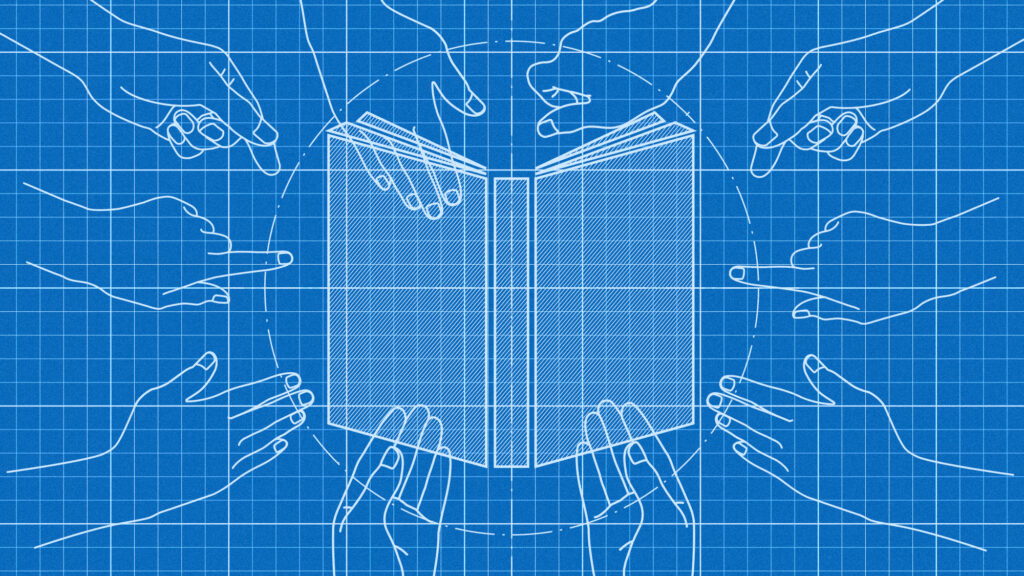
In 2014, I graduated from college with a dubious degree: I majored in English, a discipline that, in a time of growing STEM mania, was widely considered a relic of questionable value. At the end of my studies, my adviser asked me what I’d taken away from the program. My answer: how to think. I had spent enough time examining the minds of brilliant others—learning how they chose words, built characters, and developed ideas—to feel some mastery over my own. In a newAtlantic essay, Joshua Bennett, a literature professor at MIT, makes the case that such an education should be foundational for all students, including and perhaps especially those focusing on science.
First, here are six new stories from The Atlantic’s Books section:
- Six books you should read twice
- He was hugely influential. He also had a foolish streak.
- Forget grit.
- The golden age of hockey literature
- What if the apocalypse is already here?
- “The Toll,” a poem by Forrest Gander
Bennett’s students have grown up in a society defined by rapid technological growth; some of them likely dream of building a world we can’t imagine today, especially now that new AI technologies are pushing the frontier of the possible. At the same time, the state of the humanities has become even more fragile than it was during my undergraduate career. Humanities departments across the country are being squeezed or shut down entirely. Too many students have never been assigned the once-standard task of reading a whole book. The number of undergraduate humanities degrees awarded by American universities in 2025 was nearly a third lower than it was in 2012, although the decline might be approaching a plateau.
That crisis is part of what’s driving Bennett and some of his colleagues to design a Great Books course for MIT, the kind of sweeping introduction to canonical, time-tested literature and philosophy that helps anchor many liberal-arts educations. Given the students he’s working with, Bennett’s program will focus on “the history, poetics, and philosophy of science.” A solid grounding in the humanities, he argues, is essential to the intellectual development of future scientists, in part because it can help them “identify irreplaceable ideas during a time of accelerated change.” The possibility of an imminent techno-utopia, in which work is automated and life is easy—or, conversely, a tech-driven apocalypse, in which human inventions come to subjugate humanity—makes it ever more important to teach students how to engage deeply with the age-old query: What is life for?
Studying the plays of the ancient Greeks or the logical puzzles of Kant won’t, of course, provide a single answer. But doing so can help teach students how to think about the problem—to wonder, What is the meaning of life? as well as, What distinguishes a thoughtful idea from a shallow truism? To ask more questions, and to pursue the answers with rigor, is to open more routes toward meaning. Bennett’s “irreplaceable ideas” are not formulas to memorize; they’re vigorous, adaptable entities. You cannot learn, once and for all, what they mean. You can only build the habit of thinking about them for yourself.
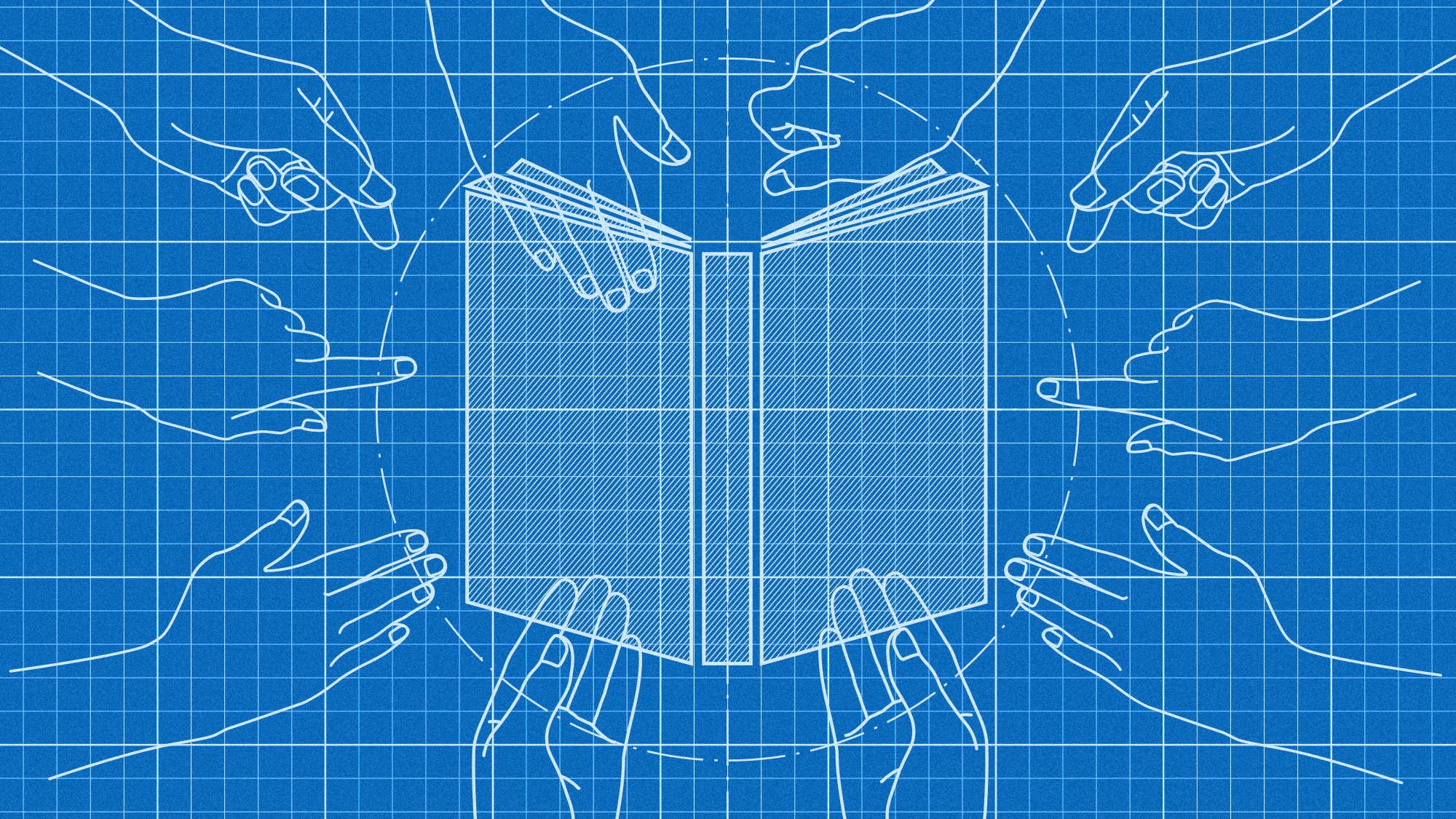
The Time Is Right for a ‘Great Books’ Revival
By Joshua Bennett
To build a better world in the age of AI, students need grounding in indispensable ideas.
What to Read
The Perfectionists, by Simon Winchester
The Perfectionists dramatically explores the history of engineers figuring out how to manufacture things—mostly out of metal, glass and other hard materials—into exacting shapes and sizes, making possible our world of cars, jet engines, and microprocessor chips. The story begins, and is intimately bound up, with the Industrial Revolution. John Wilkinson, one of the fathers of precision engineering, devised snug-fitting cylinders for James Watt’s steam engine, and the early days of the discipline are similarly full of delightfully specific historical objects: pulleys made for British naval ships, for example, and the fiddly bits of flintlock muskets. But as Winchester steps through the great advancements that pushed this school of engineering to new extremes, he makes clear that we now rely on machines to achieve a perfection unattainable by people, and that this comes with hefty stakes. An improperly machined oil pipe, for instance, caused catastrophic engine failure on a 2010 Qantas flight because it was “about half a millimeter too thin,” he writes. (Thanks to an experienced crew, everyone on board survived.) Perhaps, he suggests, a deeper respect for imperfect human craftsmanship might live alongside our reverence for mechanical technique. — Chelsea Leu
From our list: Eight books that explain how the world works
Out Next Week
 The Land of Tears and Hope: The Ukrainian Story, by Illia Ponomarenko
Vocal Break: On Women, Music, and Power, by Lauren Elkin
No Such Thing as Monday: A Novel, by Siân Hughes
Your Weekend Read
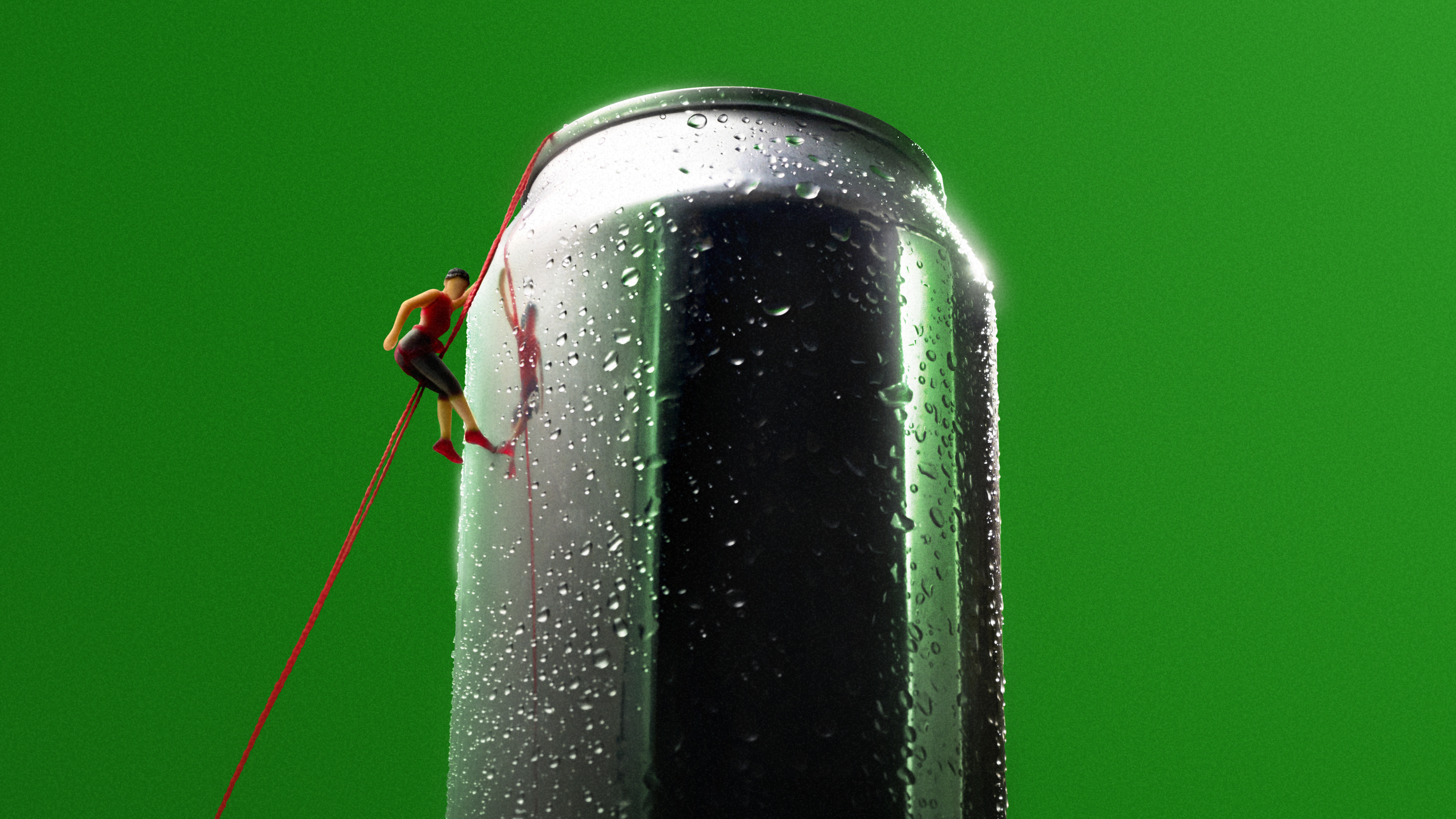
The Rise of the Tallboy Is a Sign of the Times
By Megan Garber
Say you’re at a football game (fun!), in large part for the food (correct!). You have spent your time at the stadium successfully curating an alfresco fine-dining experience: the pregame amuse-bouche (popcorn, maybe, with a swirl of let’s-agree-to-call-it-butter), the first-quarter aperitif (a frosty can of beer), the second-quarter appetizer (a plate of fries, doused with ketchup), the third-quarter entrée (nachos, obviously, washed down with a second beer). It’s now the fourth quarter, and although the game has gone as planned (probably? you haven’t been paying tons of attention), your dessert course has not. The menu options before you—churro, cotton candy—are leaving you stymied. That is possibly because, you come to realize, you are unexpectedly drunk.
When you buy a book using a link in this newsletter, we receive a commission. Thank you for supporting The Atlantic.
Sign up for Video Village, a newsletter in which David Sims unearths cinematic gems and brings readers into his movie obsession.
Explore all of our newsletters.
The post What Can the Great Books Teach Us? appeared first on The Atlantic.