I was 30 days into a hospital stay when I learned the difference between a friend and someone who used to be one. I didn’t know it yet, but that lesson was about to cost me most of my friend group and give me something better in return.
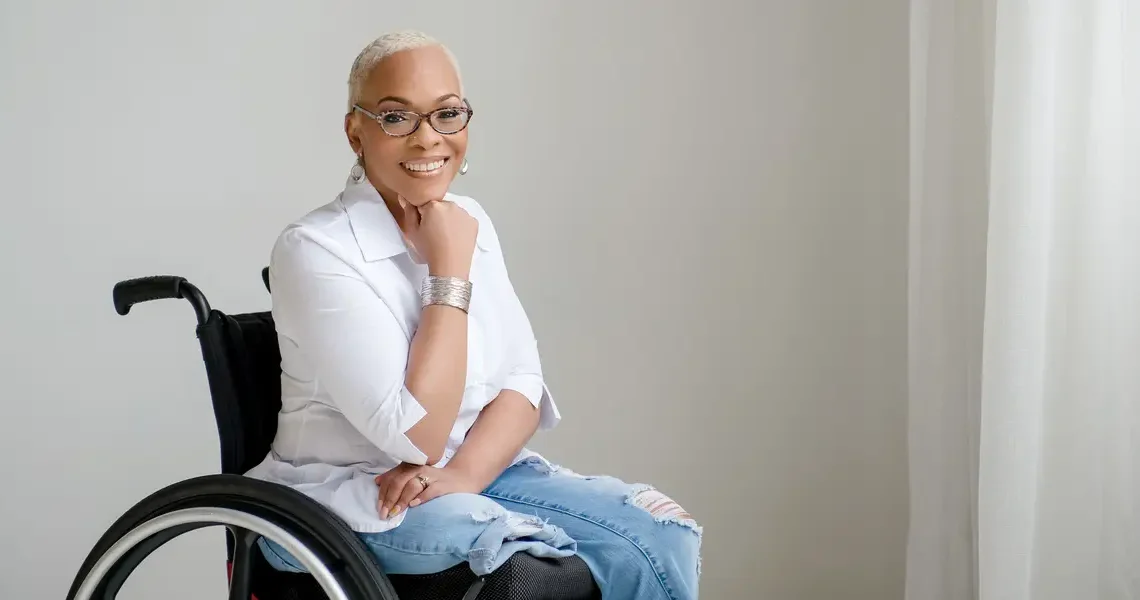
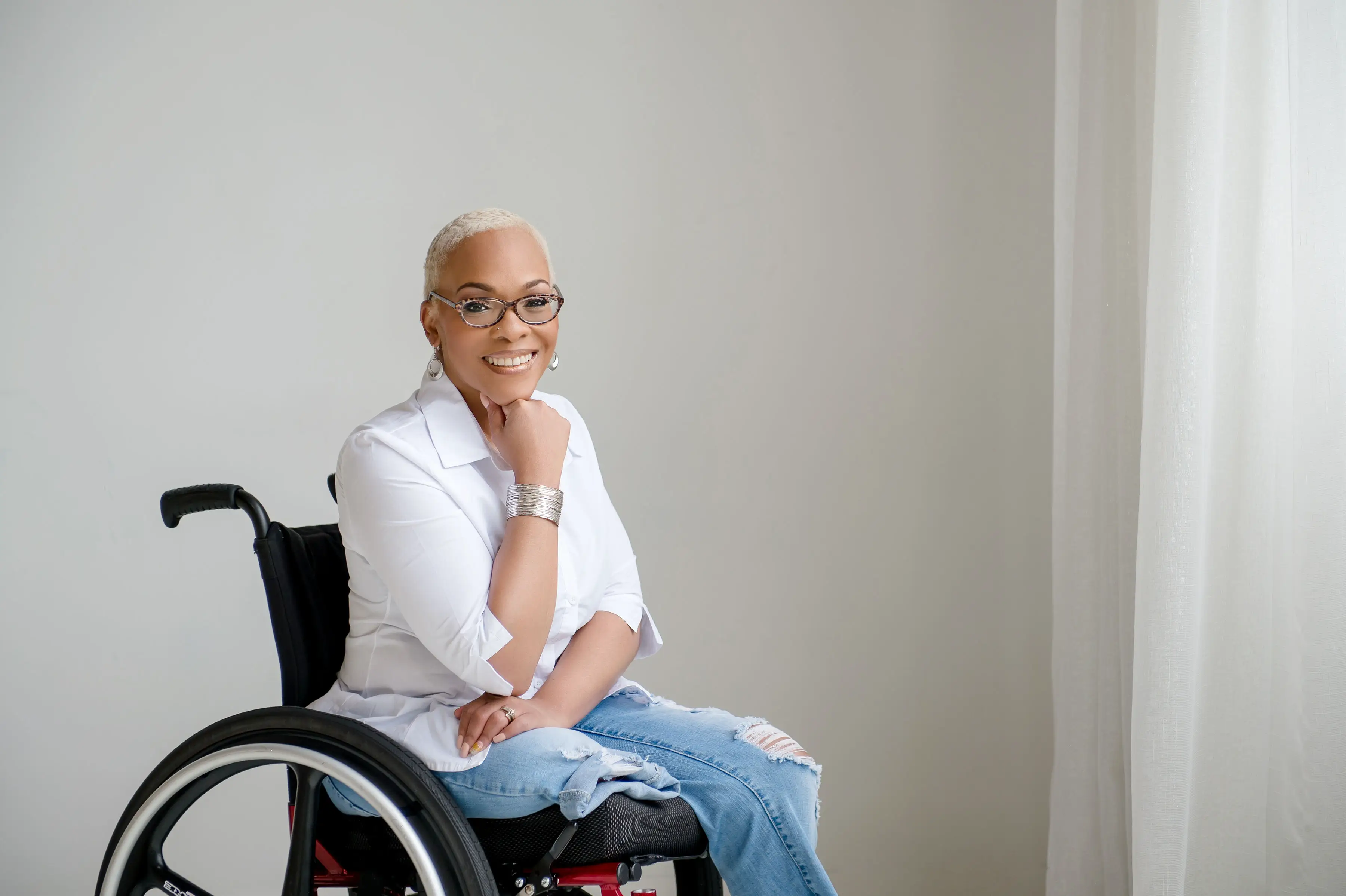
In 2018, I had a widow-maker heart attack. Then two bilateral lower limb amputations. I was flat on my back, trying to figure out what was left of my body and what was left of my life. That’s when the visitors started sorting themselves into neat piles.
Friends were there when I needed them
Tijuana was the one my husband called the day I was rushed to the ER. We met on my first day of new-teacher orientation, and she became my department chair soon after. Somewhere along the way, she also became auntie to my daughter, and I became auntie to her five. She also became my best friend. Tijuana was the only person I let come around consistently, and she did, every time. She helped me. She cried with me. She loved on me in the specific, unglamorous way that has nothing to do with flowers and everything to do with showing up to a room that smelled like antiseptic and fear and staying anyway.
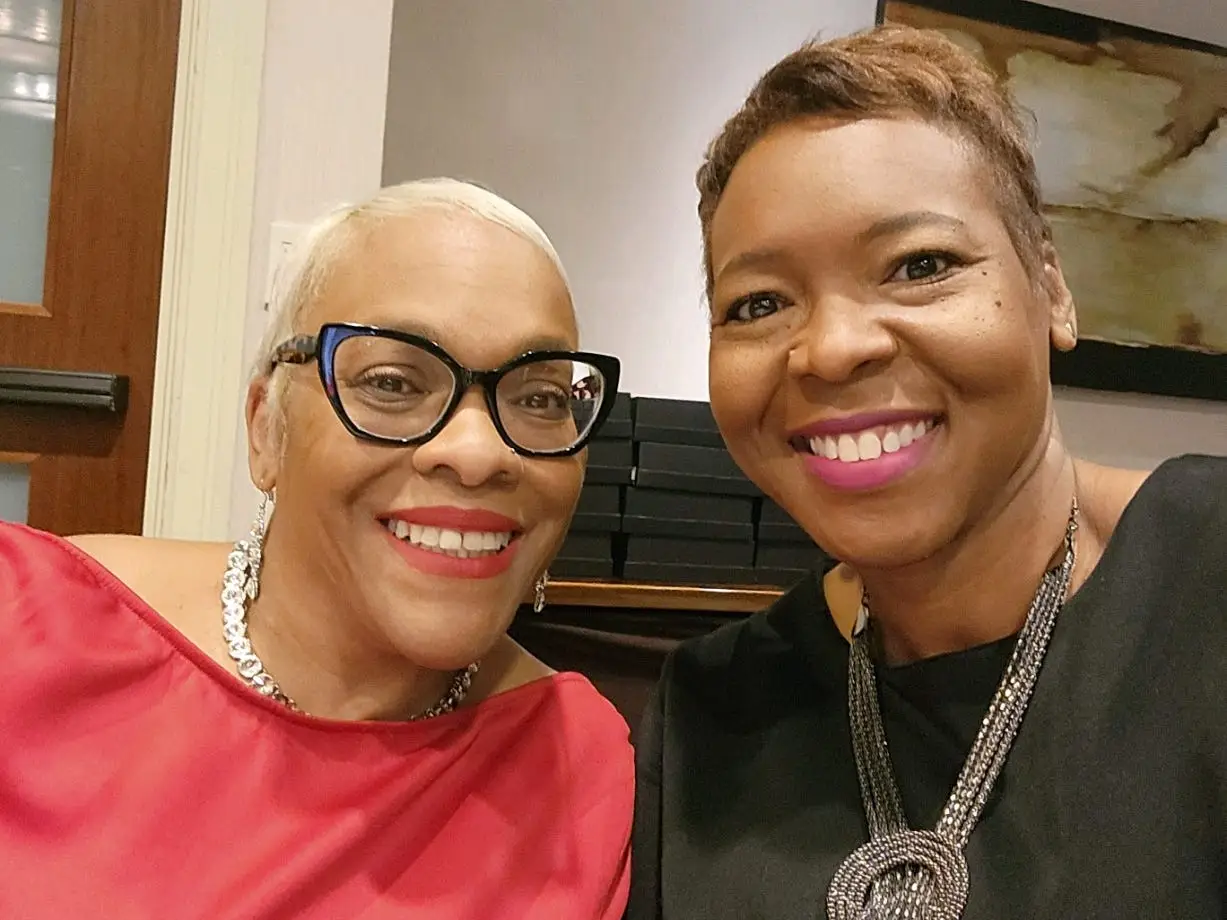
Kimberly is my line sister. We were initiated into the same sorority, which means she’s been mine and I’ve been hers since the moment we decided, as grown women with full lives already built, that we still had room for a sisterhood we both wanted. She showed up unannounced one day and ran straight into my mother in the hospital lobby. She came bearing gifts, one set for me and one for my parents, because I guess she knew they were scared too and needed something in their hands besides worry. Once home, relearning what my body could and couldn’t do, she showed up again. She’s been around ever since.
Others didn’t show up at all
I used to think friendship was proven in the good years, the weddings, the birthdays, the Saturday brunches. Turns out it gets proven in a hospital room when you have nothing to offer anybody, and the only thing left to see is who still shows up. Some people bring gifts because they actually care. Some people show up because that’s what’s expected. Or they’re just nosy. Either way, you can usually tell which by whether there’s a second visit. For some people, there isn’t one.
I didn’t see any of this as an upgrade while it was happening. It felt like a loss. It wasn’t.
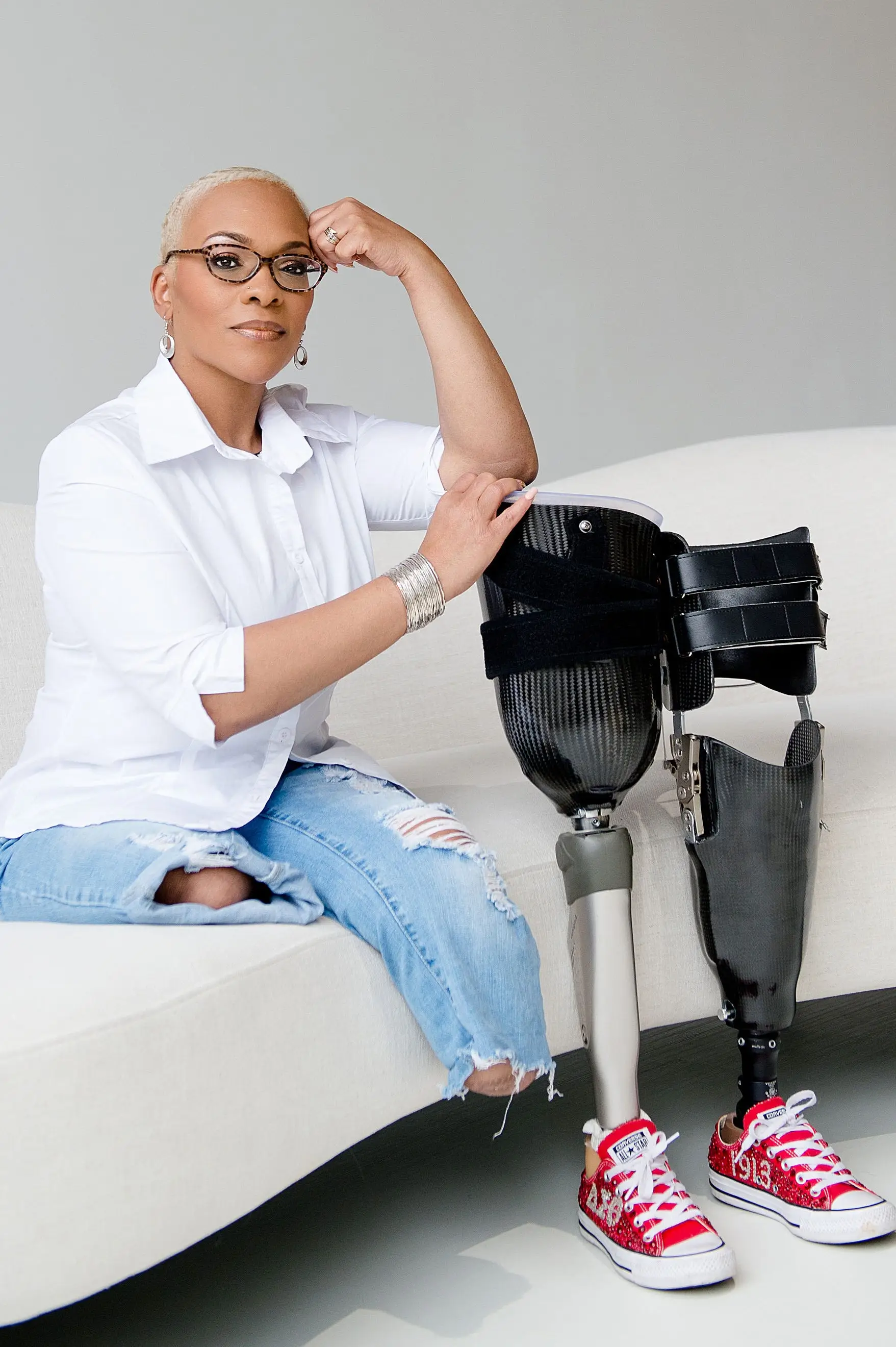
Within a year, my friend group went from dozens of people I called “friends” to 12. Nobody got a dramatic goodbye text. They just stopped calling. I stopped being easy to invite to places. My disability made them uncomfortable. A lot of people didn’t know how to deal with that, so they didn’t.
I’m not angry about my group shrinking
I’m not angry about it anymore. That took a while. For the first year or two, I kept a mental list of who hadn’t called, replaying visits that never happened, holding onto invitations that quietly stopped coming. It’s an ugly thing to sit with, watching your world shrink in real time and knowing exactly whose choice that was.
But after almost a decade, here’s the truth: I wouldn’t trade the 12 women I do have for the several I used to.
“The Twelve” know what my new normal actually looks like because they loved me through the year it became normal. They saw me on the days I couldn’t get out of bed and the days I could barely stand to be looked at. They never performed concern. They just showed up. They still do.
A hundred people who show up for the good years will tell you they love you. Twelve people who show up for a hospital room, a home health aide schedule, and a body that doesn’t look or work the way it used to will show you. Turns out I didn’t need the crowd. I needed the women who would love me for real. And they did. And they do. That’s not a loss I’m grieving. That’s the best trade I never chose to make.
Read the original article on Business Insider
The post I lost most of my friends after a heart attack and double amputation. Almost a decade later, I don’t miss my old circle. appeared first on Business Insider.