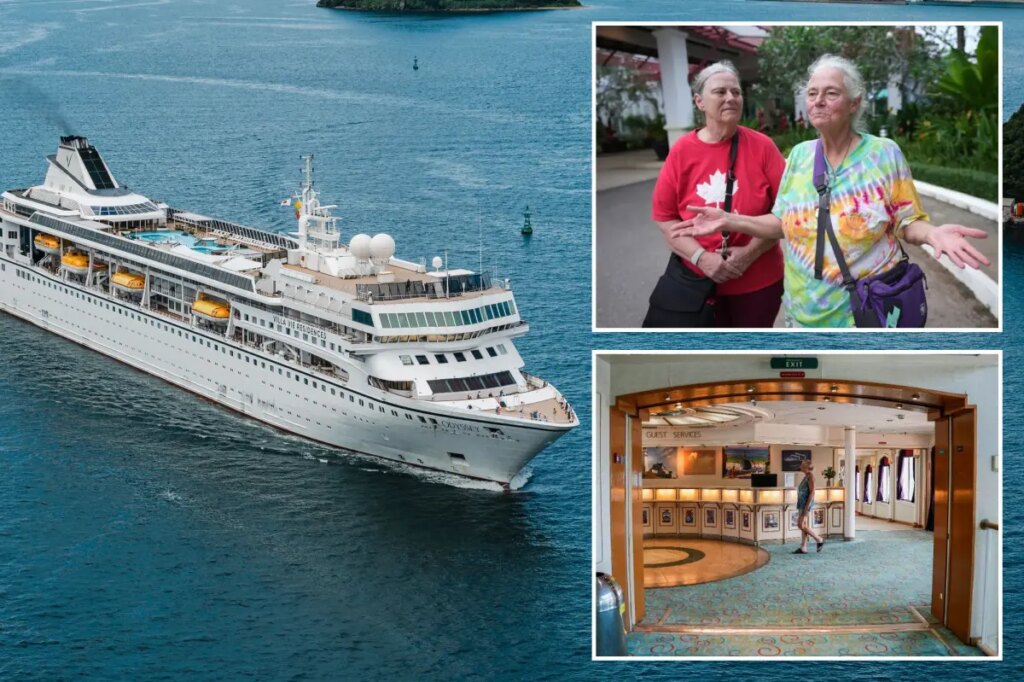
Two California sisters stranded overseas after their forever cruise abruptly ceased operations after running out of fuel defended their decision to join the planned lifetime voyage.
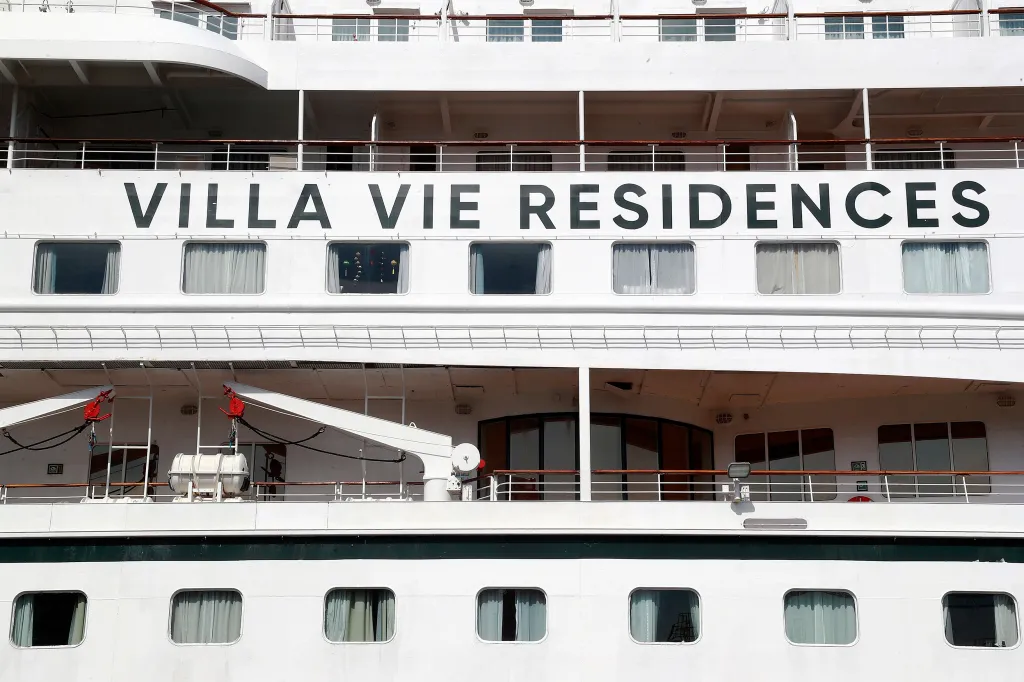
Carol Larson, 69, and Crystal Lavering, 72, spoke from a Cambodian port hotel after Florida-based operator Villa Vie Residences halted operations of the MV Odyssey, citing skyrocketing fuel costs due to the war in Iran.
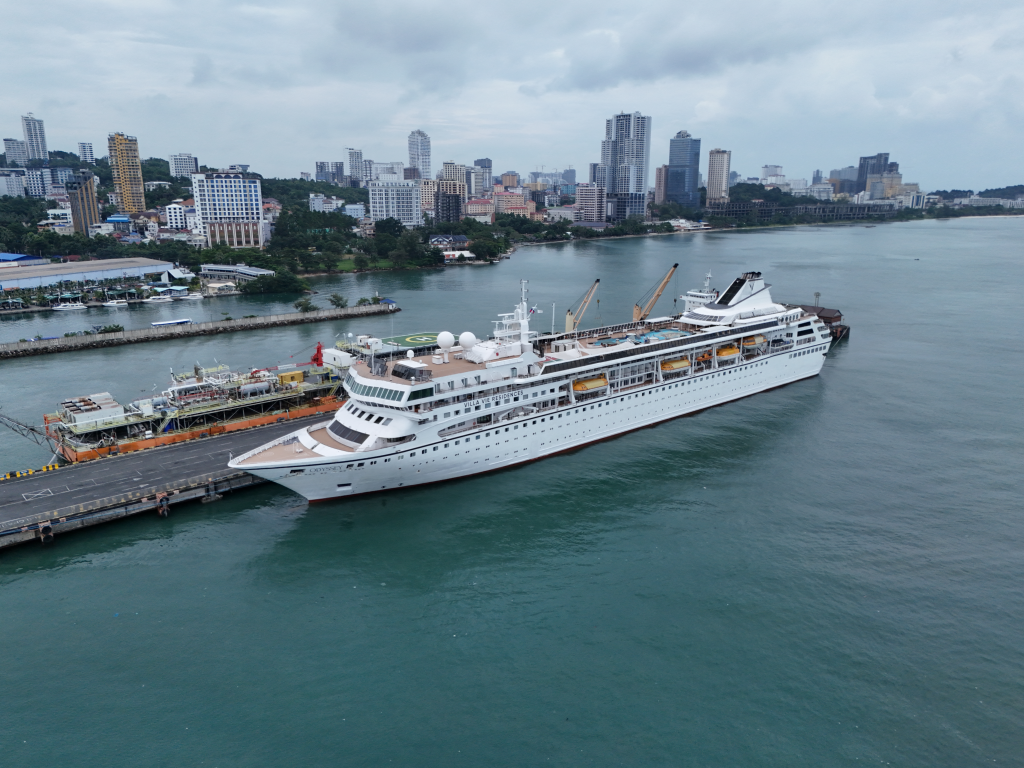
The decision gave more than 200 passengers on the vessel — which offered lifetime suite packages— a sudden seven-hour notice to pack their belongings and leave the ship despite being thousands of miles from home.
While fellow passengers expressed outrage over canceled voyages and an absence of corporate rebooking assistance, Larson remained steadfast about her decision to buy in.
“Because it was a startup company, I believe that it was a risk,” Larson told the Associated Press.
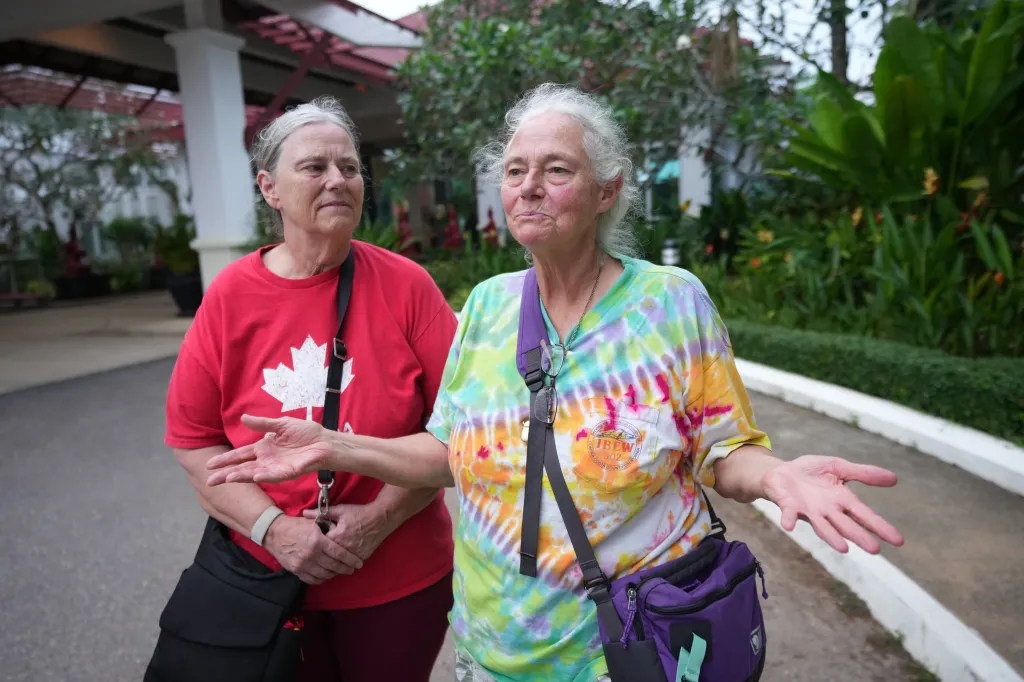
“From the very first day, I said to myself that if it lasts a year, I can walk away and feel like I got my money’s worth… I still feel that way. I feel blessed to have been part of the experiment of residential cruising.”
Larson invested $120,000 in installment payments toward her own cabin, in addition to recurring monthly maintenance fees, on the premise that she could live aboard the vessel for up to 15 years. Her older sister purchased and occupied a separate cabin on the same ship.
For Lavering, the 18 months spent at sea delivered a dramatic health turnaround, allowing her to permanently discard the walking cane she had relied on for daily mobility back home in California.
“You come to this ship to live … it’s just sad that it’s all over,” Lavering said.
The MV Odyssey set sail from Belfast, Northern Ireland, in October 2024, marketing lifetime suite packages starting at $230,000 for continuous global travel.
However, escalating hostilities in the Middle East severely disrupted commercial transit through the Strait of Hormuz, driving regional petroleum prices to record highs. Villa Vie Residences reported that bunker fuel rates surged from an anticipated $1,800 a month per cabin to between $6,000 and $8,000 in Asian waters, creating an unsustainable monthly deficit.
Company CEO Mikael Petterson revealed that monthly operating costs jumped from $400,000 to more than $2 million, pushing the operator toward Chapter 11 bankruptcy restructuring.
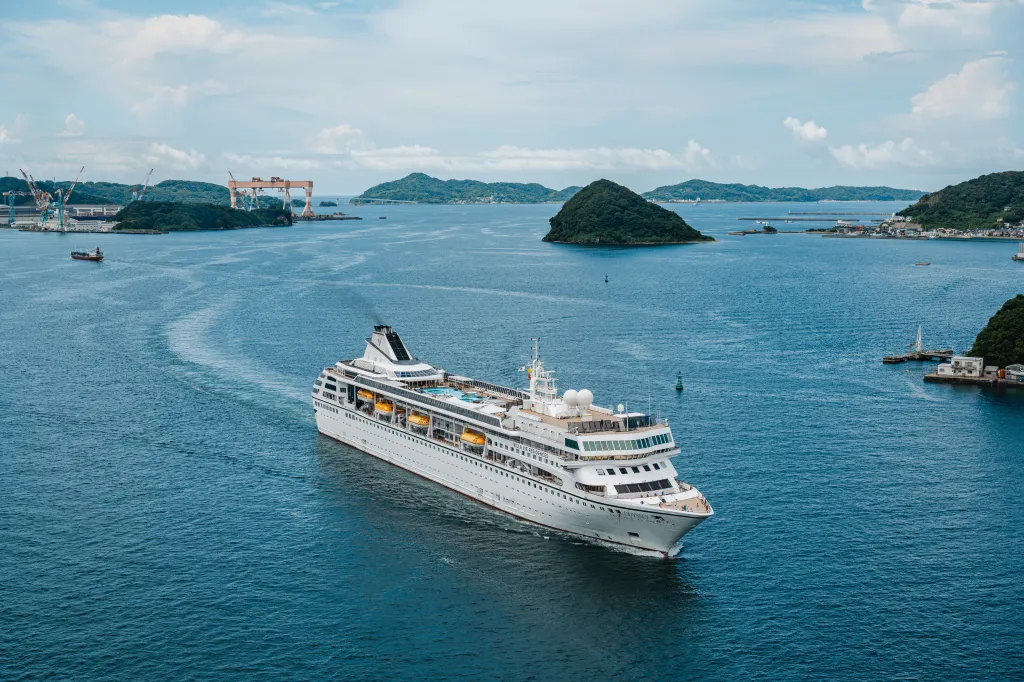
Larson placed the blame for the disaster squarely on President Trump, saying the administration’s military conflict with Iran had cut off regional gas supplies and drove prices to levels the company could not survive.
“If things worked out better, if there wasn’t the war… and oil prices going sky high, I think it is an industry that really could bloom,” Larson said.
Other passengers ashore described an operation that had been fraying for months.
Former residents reported repeated solicitations from management demanding emergency cash contributions for diesel simply to clear port checkpoints, alongside deteriorating food service and unpaid shipboard crew.
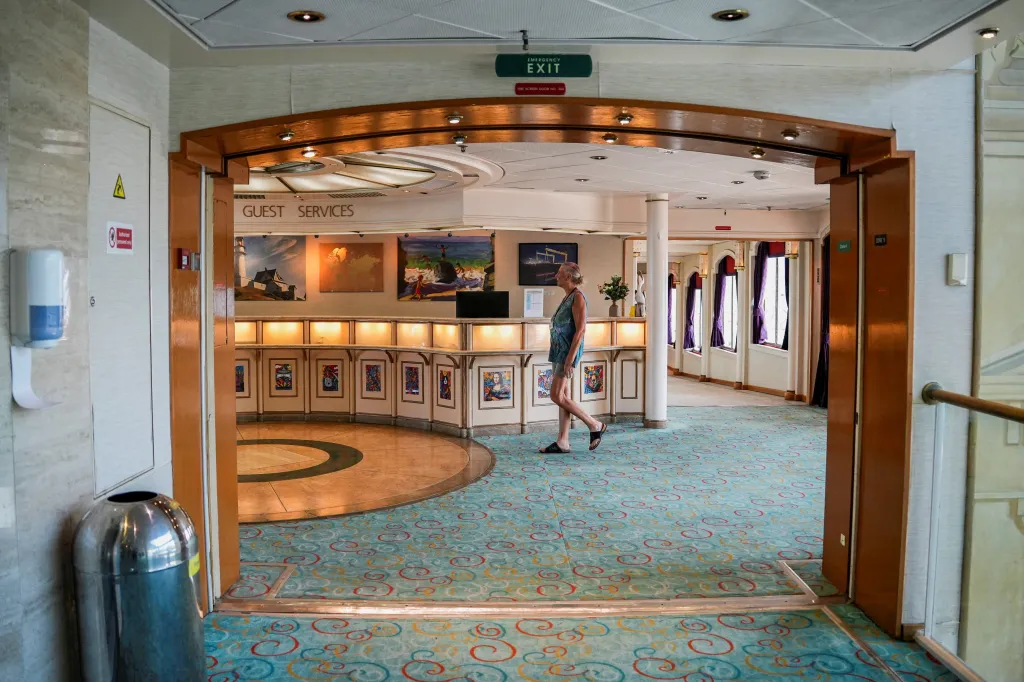
Despite the unceremonious eviction and uncertain travel arrangements, Larson said she is not ready to return to California.
Instead, she is backing an effort among stranded residents to acquire the vessel outright and keep the venture afloat.
“I hope there is a movement for the residents to buy the ship, and I am hoping that goes through,” Larson said. “Because it’s a dream to live on the ship and I don’t want it to end.”
The post California sisters speak out after after being stranded abroad by cruise ship that promised lifetime travel: ‘It was a risk’ appeared first on New York Post.