

This as-told-to essay is based on a conversation with Paul Burke, 42, the CEO and cofounder of Vantory, an AI startup that streamlines vacation rental operations for property managers. He previously built a 64-home rental portfolio in Colorado and sold it in 2026 after two years. The following has been edited for length and clarity.
If you’d asked me two years ago if I’d ever be running a property management company, I probably would’ve told you you’re crazy.
One of my sisters lives in Winter Park, Colorado. She’s a real estate agent, and I was visiting her and met her boss, who owns the brokerage.
He invited me into his office that weekend, and he gave me this whole pitch on Winter Park and how billions of dollars are being invested in it, and there’s all this opportunity. I thought he was trying to sell me a house, and he was like, “We’ve got this brokerage, but we’ve wanted a property management company for five years, but we haven’t found the right partner to build it with. We think you’re that guy.”
Those opportunities don’t just fall into your lap. I’d sold my previous tech company and was trying to figure out what was next, so I jumped at it.
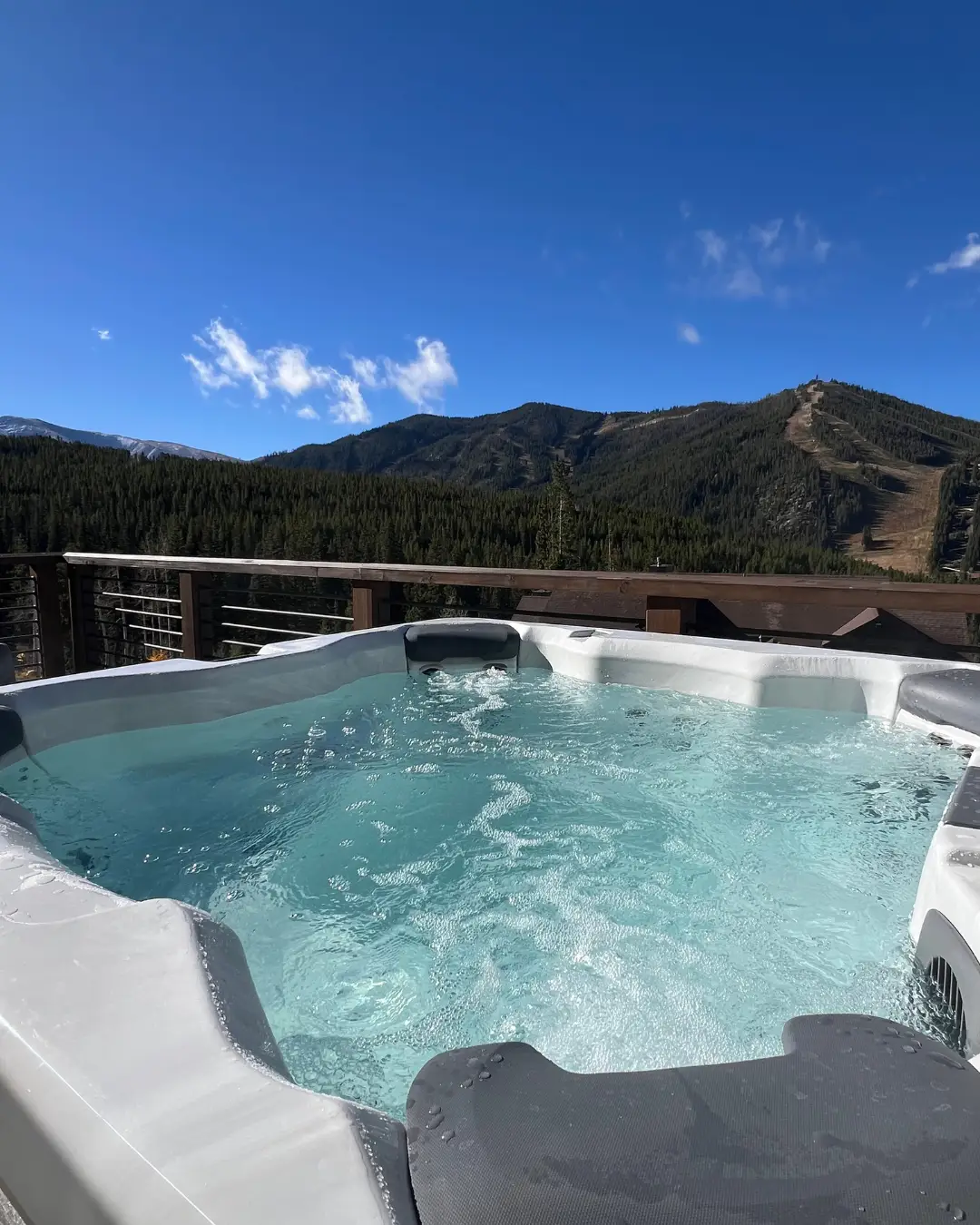
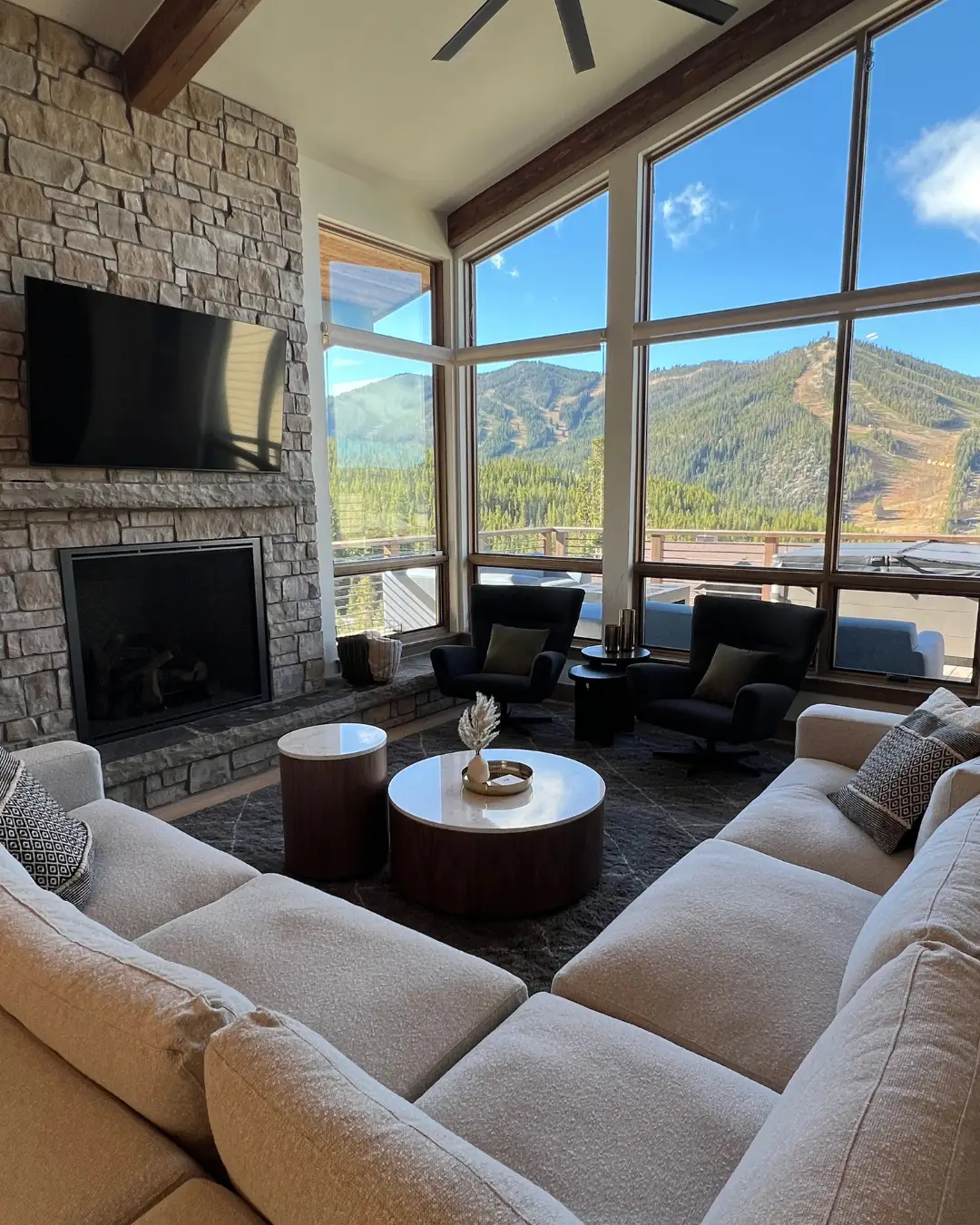
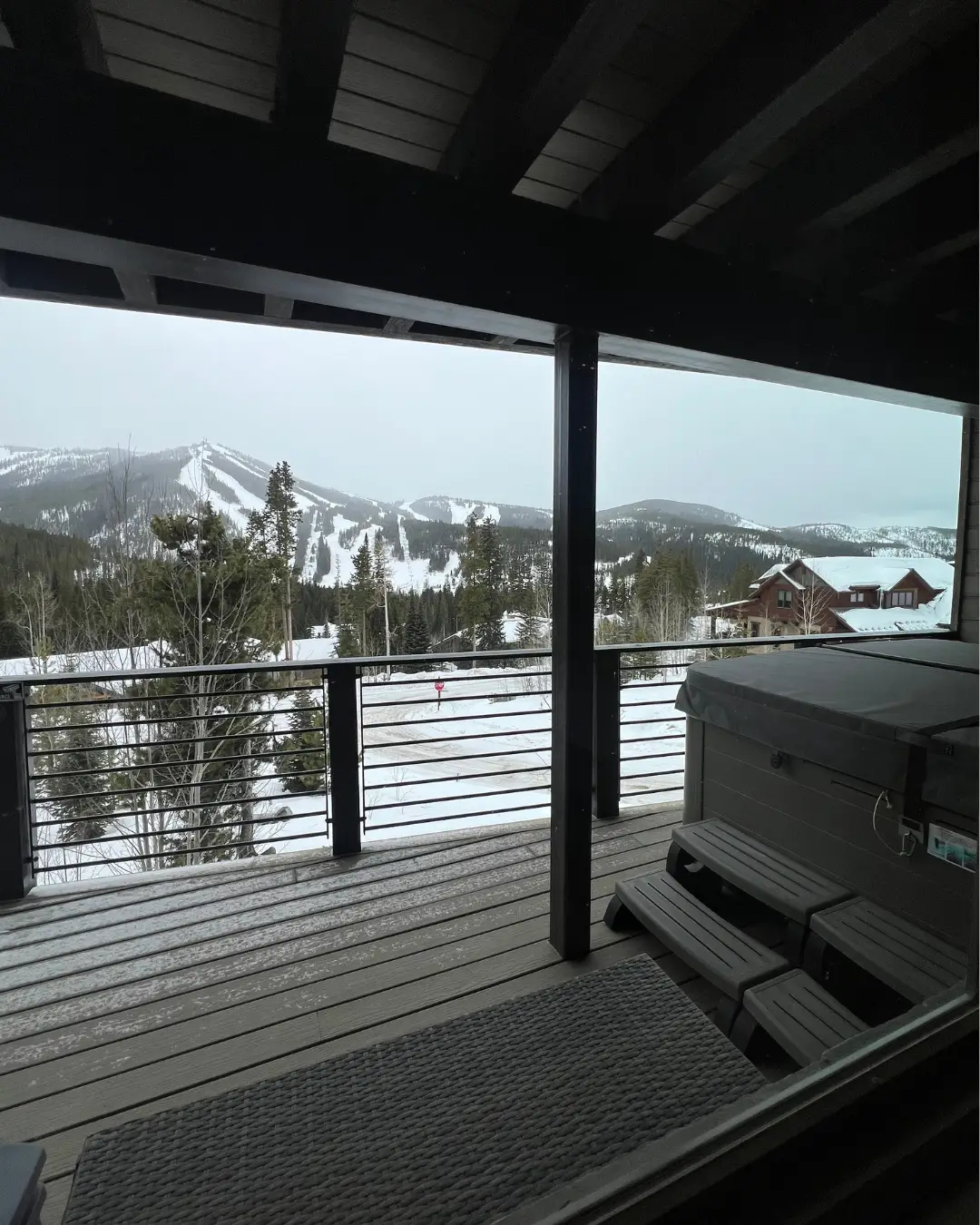
Winter Park is not like Aspen. It was known for a very long time as the economical ski resort. People who were getting priced out or sick of the insane prices of the Vails and the Aspens were starting to come to Winter Park. You could get the same thing or something nicer for a third of the price.
But it was not very easy to convince people to move from existing property management companies to some brand new one with a guy who had no experience. So I had to take them all for lunch, look them in the eye, shake their hands, and say, “I will do everything it takes to take care of your property, the best it can possibly be taken care of, and have it generate as much money as possible.”
We got a handful of clients, and then once we had a handful, it was really just about execution. It’s always been my approach to business: get a small handful of customers, absolutely crush it for them, and then use those case studies to get more customers. And that’s exactly what we did.
We performed extremely well. In some cases, the homes we were managing were making double what their next-door neighbor with the exact same home was making.
I listened to the things that they needed and then executed on it, but what it really came down to was the numbers. We were able to show, “Hey, your home’s averaging $500 a night; literally, your next-door neighbor is averaging $1,100.”
My previous experience as a trader gave me a competitive edge
People who start a property management company are generally pretty passionate about hospitality. Most of the big companies out there started off as a husband-and-wife team who got on a friend’s property and another friend’s property; next thing they know, the company is 20 years old, they’ve got 200 properties, and the business kind of gets in the way of the hospitality.
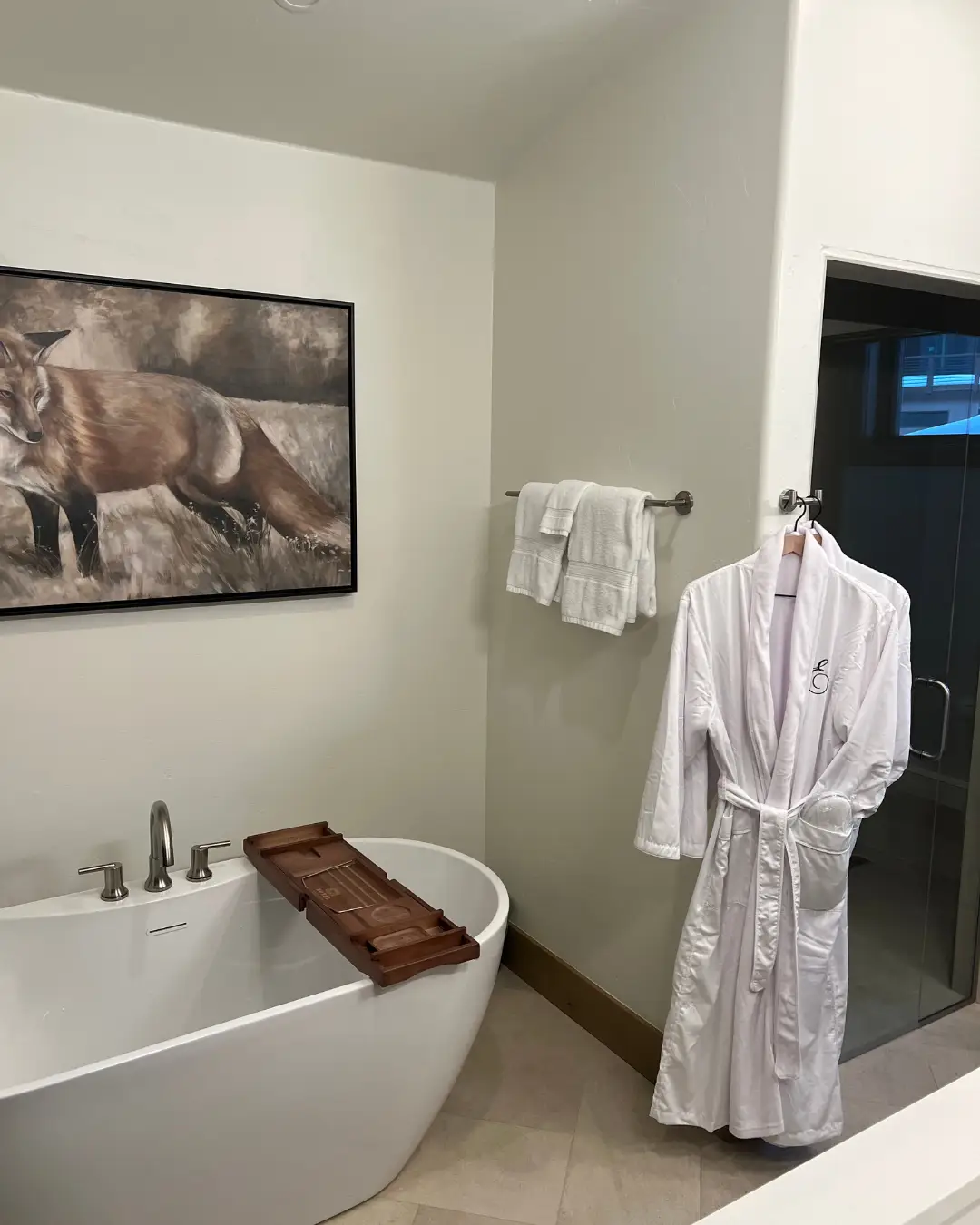
Being personable helps, but it doesn’t necessarily generate more dollars in clients’ accounts per month.
I was a derivatives trader for a decade, so I spent my 20s in Chicago, trading currency derivatives. I love diving deep into data, deep into numbers, and understanding the ins and outs of how to extract the highest price possible for something.
I did a deep dive into the data early on, and I saw things like the way pricing is done for short-term rentals; it’s pretty standard, but it’s priced by the number of bedrooms a home has.
A four-bedroom, $1 million home was charging the same as a four-bedroom, $4 million home. If someone’s willing to pay 4 times more to purchase it, then you’d imagine there’s got to be some correlation in what they’d pay to rent it.
Both my software and trading backgrounds helped in this, because I took a much more institutional approach to pricing, the same way airlines do with flights, and the same way hotels have been doing it.
The hospitality industry took a toll on me
I may have a unique skillset, but there are a lot of skills I don’t have.
I don’t know how to fix a furnace, but one time, the Sunday after Christmas, a furnace went out at this home, and being in a small town, I couldn’t get a hold of anyone. I knew I couldn’t fix it, but I showed up at 9 p.m. on a Sunday night and sat in the furnace room for an hour on YouTube trying to figure out if I could do anything to help.
I knew at the end of the day, even if I couldn’t actually get it done and make it work, the CEO of the company showing up to show that he cares and to listen to the frustration would go a long way, and it did.
I drove that home to my team over and over and over again. You may not know the answer, you may not be able to fix the problem, but what so many people want is to have someone truly hear them and show that they care. However you can do that in a genuine way, however you can express that you care, I think, is key.
Most of the companies I’ve built have actually been pretty white glove in terms of service, but it’s a whole new level with property management.
You’re basically running a hotel that’s scattered around a 10-mile radius. It was intense, and it was draining. I’m the youngest of eight kids, so I like being around people, but it definitely wore me down.
I exited the company for a combination of reasons: private equity is aggressively rolling up the short-term rental market, so the opportunity to exit existed — I was getting a call a week from interested buyers. I also wasn’t feeling particularly challenged in the way I like to be.
I felt like we very quickly had owned the Winter Park market and we were on a really amazing trajectory. We had 64 homes live and had 74 signed.
When I took calls early on about selling our portfolio, I figured I would just start building relationships with some of the acquirers. I told them I wasn’t interested in selling — “We’ve got a 10-year plan” — and we did, but last winter, there were a couple of moments where I was like, “I don’t want to do this anymore. I don’t like people anymore.”
I think what I’ve learned about myself is that I am better suited for business operations than I am for hospitality operations.
I gave up a lot to start my new company, Vantory — most of my money was going to be made from an earnout. I got several offers from private equity firms to make me an operating partner because they basically wanted to take my playbook for my company.
I turned down that money, because I don’t want to work for someone else. I like building companies, and I think I can help more people by doing it this way.
Vantory is exactly what I wished I had as a property manager. We’ve built something that not just executes the things that we did well, but I took my pricing playbook, automated it, and made it 10 times better than what I was even capable of doing.
Right now, I’m really excited and passionate about Vantory and just want to make it as big and helpful to as many people as possible.
There are so many people who care so deeply about the guest experience — honestly, more so than I did. I want to give them their time back so they can focus on the thing that energizes them and they’re best at, and let Vantory do all of the business stuff better than they could.
Read the original article on Business Insider
The post Managing 64 vacation rentals taught me one thing: I don’t belong in hospitality appeared first on Business Insider.