Measles cases in the United States this year are already double what was reported in 2025. The Centers for Disease Control and Prevention has recorded 43 outbreaks across 46 states and D.C. The largest, in Pennsylvania, surpassed 1,360 cases this week.
As infections continue to climb, clinicians should be on the lookout for serious complications they might never have encountered before. Here are three:
Congenital measles
Pennsylvania health officials issued an alert last week indicating that at least 66 pregnant women have been diagnosed with measles. In addition to symptoms that anyone might experience with the virus, such as pneumonia and brain inflammation, expectant mothers might experience premature birth and pregnancy loss.
Women who contract measles during pregnancy can also transmit the virus to their developing babies through the placenta. Some studies suggest that as many as 30 percent of babies born to women with measles develop a condition called congenital measles. Some of these newborns develop a rash and mild, flu-like illness; others suffer multi-organ failure and die.
Anecdotal reports confirm a few cases of congenital measles in the U.S. Actual numbers are almost certainly higher. The Pennsylvania outbreak has been concentrated in Amish and Mennonite communities, where many families do not seek medical care.
Subacute sclerosing panencephalitis
This devastating, progressive neurological disorder typically develops eight to 11 years after a measles infection, though symptoms can emerge within two to three years in young children. Initial signs include declining school performance, forgetfulness, personality changes and sudden temper outbursts. In these early stages, children are often misdiagnosed with behavioral or psychiatric problems.
As the disease progresses, patients develop involuntary muscle jerks, seizures and worsening memory loss. They gradually lose the ability to walk, speak and swallow. Their muscles grow rigid, and they become bedridden and entirely dependent on others for care. Eventually, they enter a vegetative state or coma. There is no cure, and SSPE is nearly universally fatal.
SSPE is believed to occur in approximately 1 in 10,000 people infected with measles. With more people contracting the virus, cases of this horrific complication will increase. The risk is especially high in young children; as many as 1 in 609 kids infected with measles develop the condition.
Immune amnesia
A much more common complication of measles infection is immune amnesia, in which people lose their immune defenses against other viruses and bacteria.
A 2019 study published in the journal Science examined blood samples from children before and after they contracted measles. Those who were unvaccinated lost 11 to 73 percent of their existing antibody repertoire. Laboratory studies suggest this is because the virus destroys memory B cells, which produce antibodies, and disrupt memory T cells, which help recognize infected cells.
Subsequent investigations have found that people can build back their lost immunity, but the process can take years as their immune systems encounter pathogens again and develop new defenses. And because vaccines also reduce the severity of infections, losing vaccine-induced immunity could leave people vulnerable to more serious illness and long-term complications.
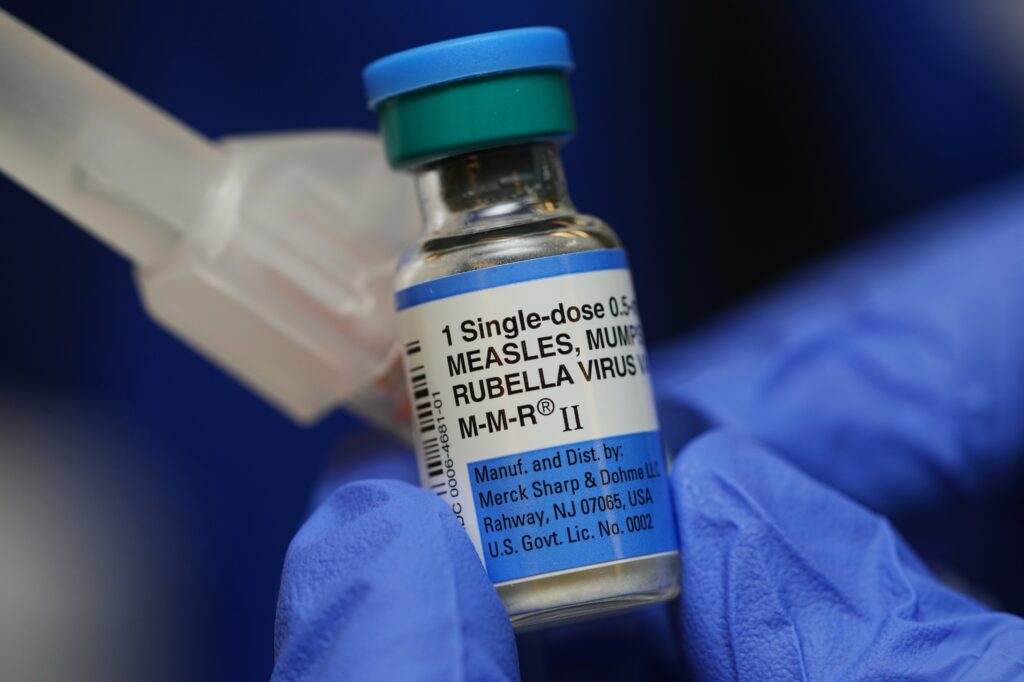
So far, the vast majority of measles cases in the United States have occurred in unvaccinated individuals. Still, the more measles infections there are in a community, the more everyone is at risk. Two doses of the measles, mumps and rubella vaccine are 97 percent effective at preventing measles. The vaccine can also provide excellent protection against mumps, which can cause hearing loss and inflammation of the brain and testicles, and rubella, which can cause miscarriage and severe birth defects when contracted during pregnancy. There is no good reason to avoid this vaccine and plenty of reasons to get it.
The post Be aware of these three serious measles complications appeared first on Washington Post.