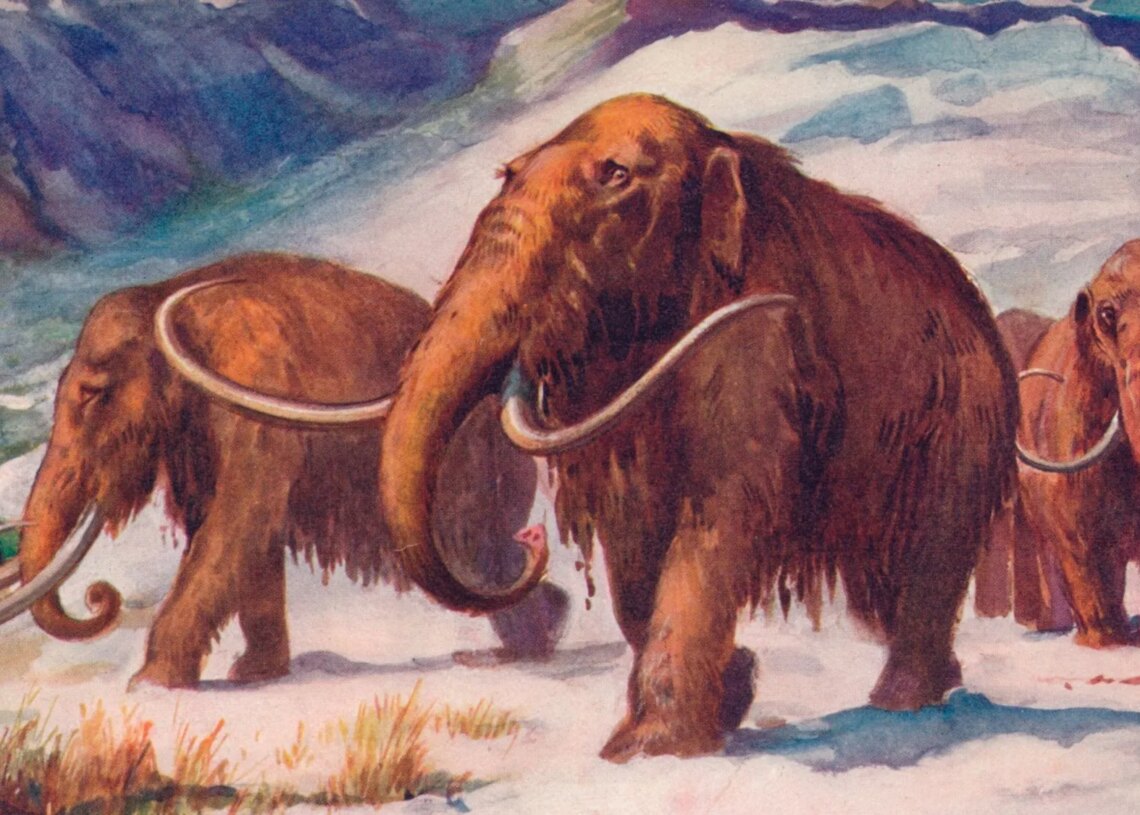
Earth went through its famous Ice Age, the one adapted into those beloved animated films that captured the era’s kid-friendly hijinks. But what you didn’t know is that we almost had a sequel to the Ice Age. 2,000 years ago, according to new research published in Science, we were set to begin a brand-new era of cold, but then humanity’s industrialization kicked into high gear and called it all off.
Evidence of this aborted Ice Age was found atop Baffin Island in the Canadian Arctic at the Barnes Ice, a remnant of the Laurentide Ice Sheet. Barnes is frozen solid down to its bedrock, which preserved a lot of the ancient moss that was killed when the ice expanded, creating a well-preserved timeline.
A New Study Suggests Humanity Interrupted Earth’s Natural Cooling Cycle
Columbia University paleoclimatologist Nicolás Young and his team carbon-dated these old mosses and examined the buildup of a form of beryllium on rocks to get a sense of when it was exposed to cosmic rays and the atmosphere. They found that the Laurentide reached its smallest footprint roughly 3600 years ago before expanding yet again about 2000 years ago. Less solar radiation in the high northern latitudes overpowered atmospheric carbon dioxide, and with that, the Earth’s next ice age was in motion.
And then the 1960s happened. Industrial greenhouse gas emissions got so intense that we effectively killed that oncoming ice age dead in its tracks. The ice cap’s mass started dwindling, and summer melts started outpacing winter snows. Some people might hear that and breathe a sigh of relief, and maybe be a little thankful for industrialization for saving us from a the day after tomorrow style scenario.
But scientists say that messing with a cycle that was millions of years old could end up having some nasty ramifications way down the line.
The post Scientists Just Discovered That Humans Accidentally Prevented Another Ice Age appeared first on vice.