A federal judge on Tuesday opted not to immediately rule on the Trump administration’s effort to force California to set aside some 20,000 mail ballots that the federal government claimed were sent to noncitizens.
The judge, David O. Carter of U.S. District Court, stopped short of the swift decision that some in the packed courtroom had expected, but appeared skeptical of the Justice Department’s claims that urgent action was necessary to halt illegal voting ahead of next week’s election. California counties have until Dec. 3 to certify elections, he noted.
He also questioned the means by which the administration had gathered its list of potentially illegal voters, and observed that the government’s demands represented a “monumental change” in the state’s election procedures.
And he asserted that federal prosecutors didn’t need to examine the ballots themselves to determine whether an unauthorized voter had cast a mail-in ballot, since the return envelopes must be signed by the voter.
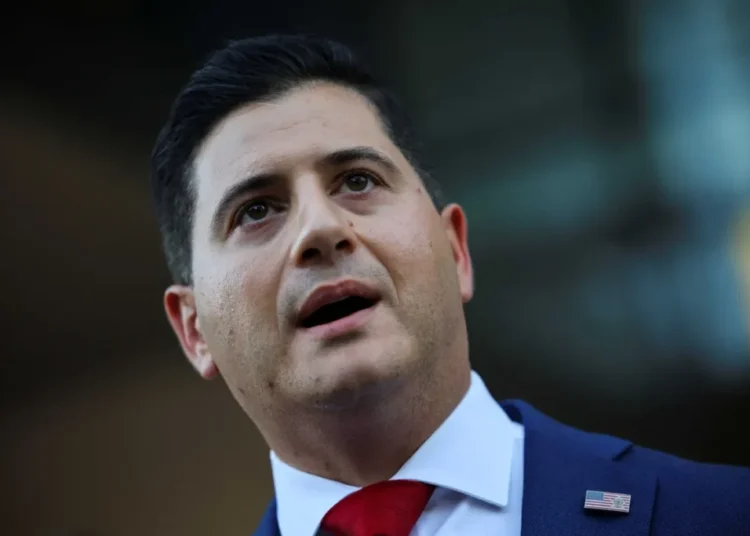
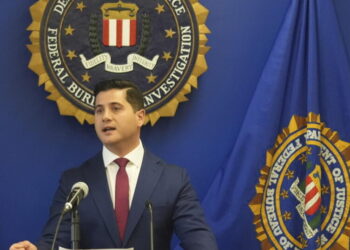
“You’ve got a remedy, for goodness sakes,” the judge told Bill Essayli, the top federal prosecutor in Southern California. “Go out and indict.”
The hearing was the latest bid by the Trump administration to lend legal credibility to its assertions that large numbers of noncitizens have voted illegally in U.S. elections. Repeated studies have found the claim to be dubious.
The administration has sued to block tallies in several states and has moved to intervene in Alaska’s Senate race, in what critics say is a broader attempt to sway the results of the midterm elections. Recent polls have shown Democrats holding a wide advantage in many critical races.
Last week, another federal judge in California blocked the Department of Homeland Security from conducting most of an operation that involved stopping and interviewing people in nine states who were suspected of voting without the appropriate citizenship status.
On Tuesday, Mr. Essayli told Judge Carter that he wanted “just to keep these ballots separate.”
“It’s not to cancel them. We just want to protect the government’s interest in adjudicating this,” Mr. Essayli said.
“It means something to be a United States citizen,” he added. “It means something to be able to participate in an election.”
State and local attorneys told Judge Carter that federal prosecutors were ignoring accepted due process for challenging illegal voting and were instead “bullying counties across California” to disrupt the state’s process for verifying eligibility and tallying votes.
In July, they said, Homeland Security claimed in a letter to the California Secretary of State that some 190,000 noncitizens could be on the rolls of registered voters. This month, the attorneys noted, the number dropped to some 20,000, of whom only a couple dozen were arrested. The methodology the government was using was “a recipe for disenfranchisement,” they added, because it was so prone to errors and false positives.
Attorneys also argued that the litigation was having a “chilling effect” on the election process. Justice Department officials, including Mr. Essayli, have sent formal letters to county election officials in California warning them that they will be vulnerable to criminal prosecution if they knowingly process or tally ballots cast by people whom the federal government claim are noncitizens.
Judge Carter admonished Mr. Essayli on Tuesday, saying that “it would be wise that any threats to state and county employees cease immediately.”
Outside court, Mr. Essayli denied making threats and said that the Justice Department was likely to appeal the judge’s coming decision.
“I understand the point that we can still prosecute people after the election,” he said, “but our goal here is not to prosecute hundreds of thousands of people. It’s to safeguard the integrity of the election. We want to stop the illegal voting. We don’t want to chase it later.”
The post Judge Questions Trump Administration’s Need to Target Noncitizen Voters appeared first on New York Times.