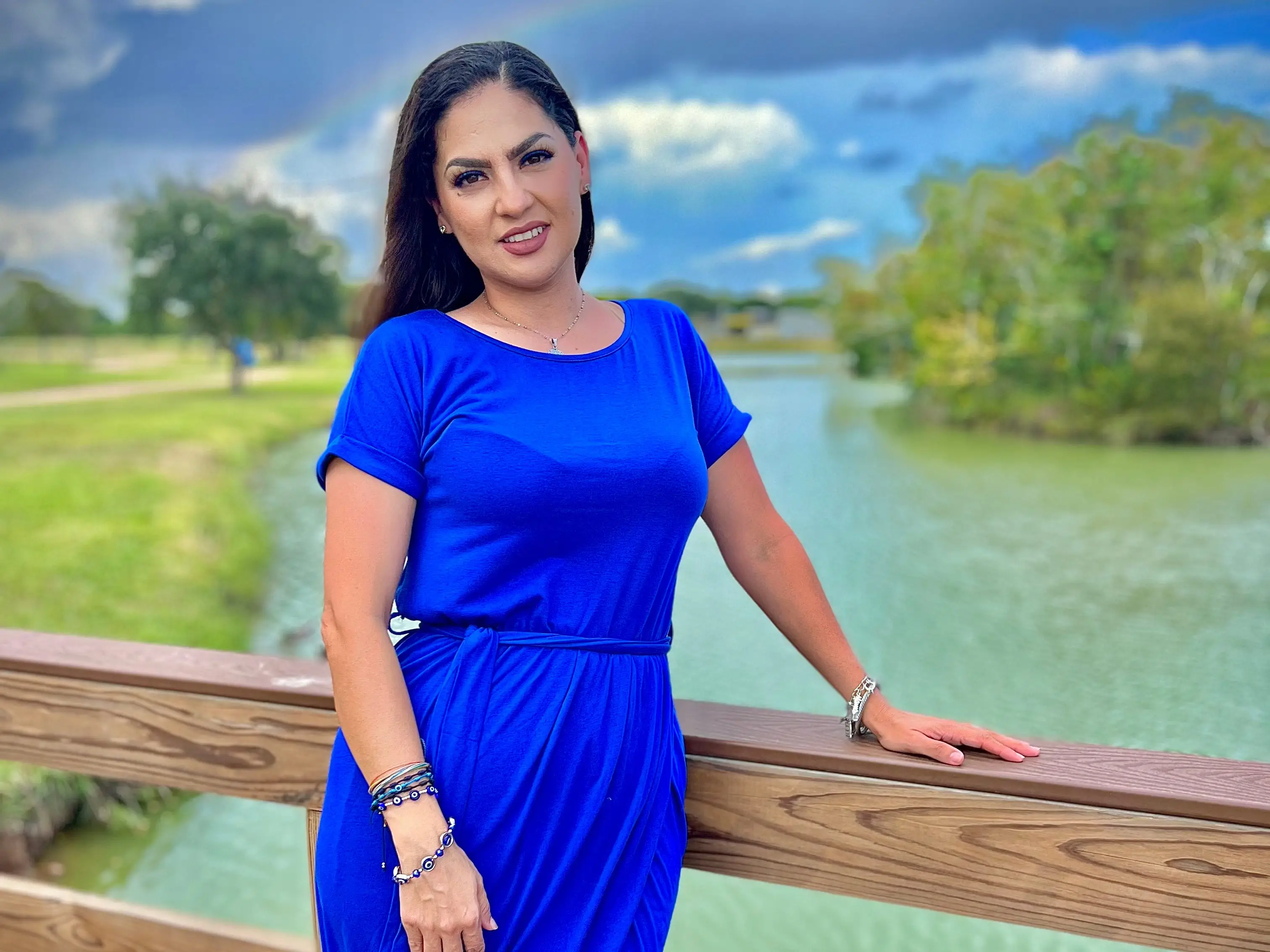
No matter how healthy she tried to eat or how often she ran 4 miles at her community college, Azucena “Suzy” Reyes felt bloated in her stomach.
“I looked like I was pregnant,” Reyes, who’s 43 and based in Alvin, Texas, told Business Insider. At 32, she was studying to be a certified nurse assistant while running a construction company with her husband and raising their four children together.
Then, her symptoms got worse. She was frequently exhausted, which she attributed to working out and being busy. She started getting fevers and feeling intense nausea. There was also her severe stomach pain.
“I really thought it was an ovary that had burst because it was that painful,” she said.
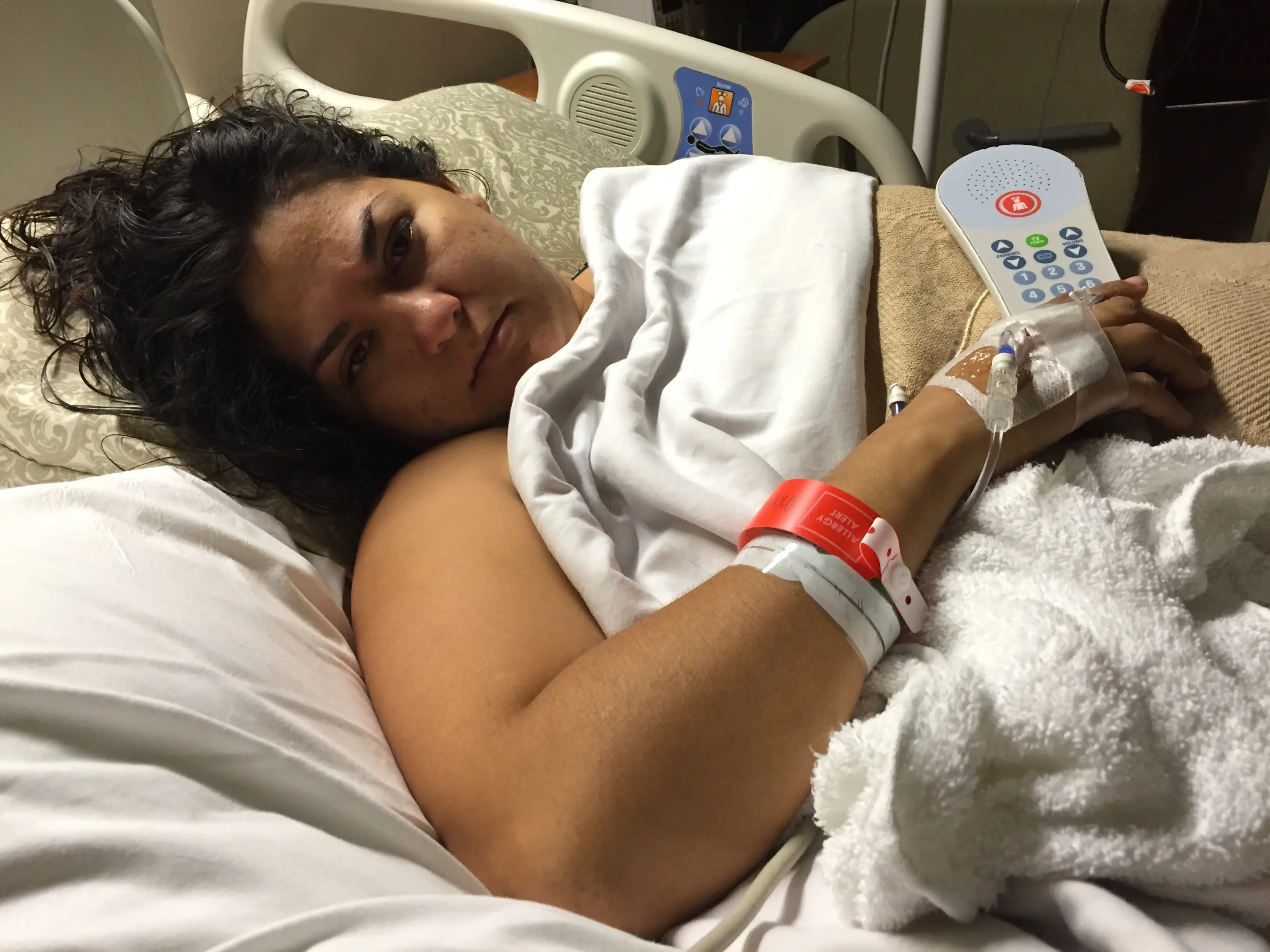
Between August and October in 2015, Reyes went to the ER four times, originally diagnosed with inflammation in her intestines. When she finally saw a GI doctor in October, she was sent to the ER a fifth time, where she had emergency surgery and learned she had stage 3 colon cancer.
“I was scared because I did not know anything about colon cancer,” Reyes said. “It was very, very dramatic to me because I didn’t want my children to go through the fear of thinking that I was going to die.”
She was told she likely didn’t have cancer because of her age and race
After the ER staff looked at her vitals, Reyes was first diagnosed with colitis and enteritis, inflammation of the small and large intestines, as well as a microperforation. She was sent home with antibiotics. When the pain didn’t go away, she returned to the ER and was put on a PICC line to administer medication and kept in the hospital for three weeks. Around the same time, Reyes tried to book a GI appointment and was put on a waitlist until early October.
When the PICC line was removed, the nausea came back. The next two ER visits didn’t yield more answers. By the time she finally saw her GI, she couldn’t keep still long enough because she kept throwing up.
Within hours, Reyes and her husband went to the ER a fifth time, where an ultrasound revealed a tumor that had completely obstructed her transverse colon, the longest part of her large intestine, and made it difficult for her to keep food down. The next morning, she had emergency surgery to remove it.
At first, Reyes said, the surgeon told her not to worry about the tumor. He told her she was very young, and that colon cancer wasn’t as common in Hispanic populations and people under 60.
But a week later, she learned she had stage 3B colon cancer. “I was scared, but then relieved at the same time,” Reyes said. “For three months, I was suffering, and I didn’t know why.”
Worried about worrying her family
The original plan was to hide her diagnosis and treatment from her family, especially her four kids, ranging in ages from 4 to 16 at the time. The doctor said she would likely only need two or three rounds of chemotherapy. Reyes and her husband wanted to leave their children with her mother and say they were going on a long couple’s trip for about a month.
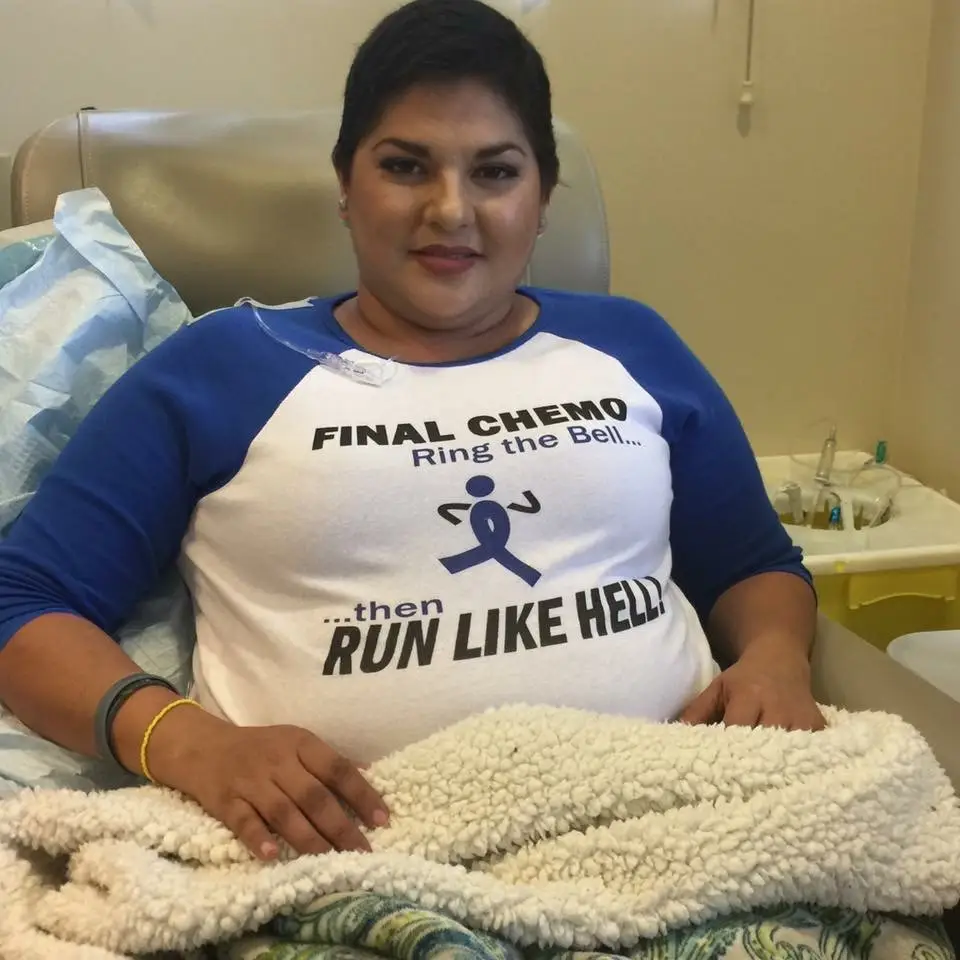
Once she met with her oncologist and learned that the cancer had grown through her muscular wall and into her lymph nodes, she learned she would need 12 rounds of chemotherapy — about six months of treatment. It would be impossible to keep a secret. “I just didn’t want anybody to suffer, like my children and my parents,” Reyes said.
Reyes experienced ide effects from the chemo, such as nausea, fatigue, and weight gain. “I was literally swollen,” she said. “It’s like they pumped air into me.”
All the while, she avoided looking up colon cancer or trying to research her prognosis online — something she said helped her maintain a “peace of mind” throughout treatment.
She now advocates for cancer awareness in Spanish-speaking communities
As of October 2026, Reyes has been cancer-free for over a decade. She says she continues to receive annual follow-ups, including colonoscopies, blood work, and CT scans.
Some of her treatment side effects haven’t gone away. “The neuropathy in my feet, arms, fingers — it just feels like needles poking them,” she said.
After she was diagnosed, she urged her brother, who was 42 and a few years below the recommended screening age of 45, to get a colonoscopy. After some resistance, he agreed — and learned he had colon cancer as well. After surgery to remove his tumor, he’s been cancer-free for 4 years, she said.
Looking back, Reyes said she had wanted more guidance from other people who had colon cancer. She remembered posting about her experience on social media, but “nobody ever reached out to me and said, ‘Hey, I’m an advocate for colon cancer. I’m here,'” she said. “I wish I would’ve had that.”
Reyes is now involved with the Colorectal Cancer Alliance’s Never Too Young Taskforce, as well as a few other groups. She also tries to focus on helping the Spanish-speaking community. “There are so many people that come out to us, me and my husband, and they’re like, ‘Thank y’all for doing this,'” she said.
Read the original article on Business Insider
The post A 32-year-old woman with intense nausea was told she was ‘too young’ for colon cancer. She was diagnosed at stage 3. appeared first on Business Insider.