For years, Dario Amodei, a founder of the start-up Anthropic, has been painted as the pre-eminent doomsayer of artificial intelligence, often making sweeping statements about how the technology could wreak havoc on the world.
On Monday, as Dr. Amodei presented his company’s paperwork for what could be the biggest ever initial public offering on Wall Street, he painted a more nuanced picture: Even with its many risks, A.I. has the potential to bring about untold benefits to humanity.
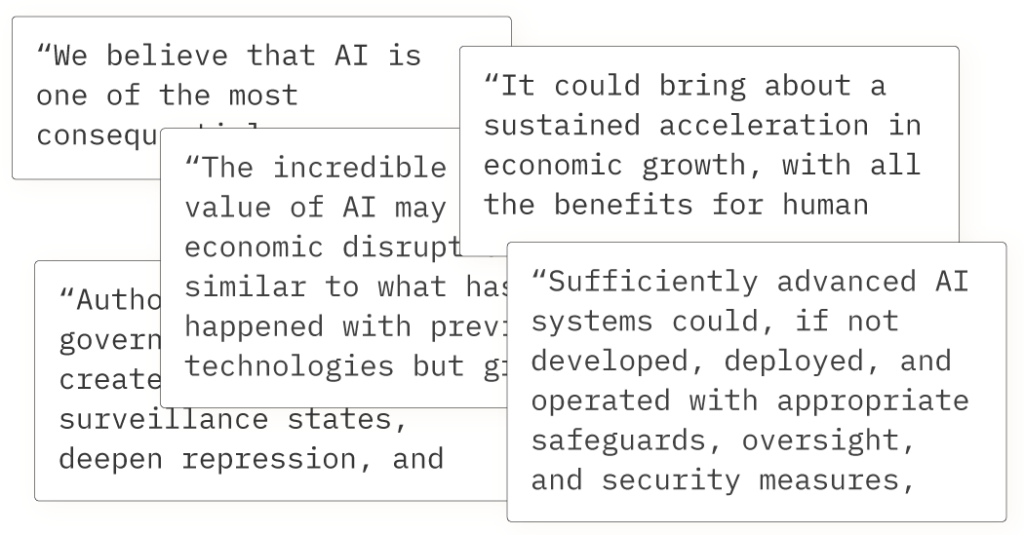
From the very top of the founder’s letter — a kind of mission statement typical of many I.P.O. prospectuses — Dr. Amodei and his six co-founders set the stakes.
This is a view on which Dr. Amodei has long been consistent. Since Anthropic’s earliest days, he has argued that the technology has the capacity to profoundly change the world. Often, Dr. Amodei would harp on the negative consequences those changes may bring. Lately, he has more frequently been playing up some of the benefits.
It is in line with a change in tone Anthropic has recently pitched to its investors. Across the industry and even among Anthropic’s backers is a view that Dr. Amodei’s vocal concerns about the technology have overshadowed what many believe are its upsides — an important sales pitch as the company seeks to raise billions on the stock market.
In closed-door meetings, the company has said it plans to emphasize more of the positive aspects of A.I., from increased productivity for workers to curing the world’s worst ailments.
Anthropic is accused of focusing on economic disruption rather than benefit. Specifically, critics argue, the company more often stresses monumental job loss while peers focus on the many ways the technology will empower workers. In his letter, Dr. Amodei allows for a future of unprecedented growth, which could bring about worldwide prosperity.
He goes on to cite examples such as giving people access to the knowledge and skills of a lawyer, an accountant or a farmer.
And finally, Dr. Amodei notes that advancements in A.I. could unburden us from needless bureaucracy. He sketches a future where DMV lines are shortened, job seekers can find can receive services to find employment more easily and Medicaid systems are navigable. Perhaps most of all, he claims the technology can help “democratic governments deliver on their promises to citizens.”
Though the prospectus is front-loaded with sweetness and light, the paperwork has all the hallmarks of Anthropic’s anxieties. In page after page, the company lists the many risks that A.I. poses to its business — and society.
At least some of this is already happening. Over the summer, a series of cybersecurity breaches from Anthropic, OpenAI and other leading A.I. labs kicked off an industrywide discussion on how to safeguard advanced systems.
Dr. Amodei and the company go on to list the flip sides to all the positive possibilities laid out at the beginning of the document. With economic prosperity comes the potential for great upheaval.
And Anthropic suggests that just as democratic governments may be empowered, so too could autocratic regimes. Dr. Amodei continues:
No I.P.O. prospectus from Anthropic would have been complete without Dr. Amodei’s biggest concern, and what some might call the ultimate “risk factor” — a disclosure companies are required to make to investors about issues that could adversely affect their business.
Put more simply: Yes, Anthropic believes its technology could bring about conditions for human flourishing the likes of which have never been seen. The company also believes it could bring about the end of the world.
Most normal companies do not tend to address such weighty philosophical matters when filing to go public. But Anthropic is far from a normal company.
The post Anthropic’s I.P.O. Prospectus Spells Out a Future of Promise and Peril appeared first on New York Times.