Senior representatives from Saudi Arabia, Turkey and Pakistan are expected to meet with Iranian officials in the capital, Tehran, on Monday, amid widespread concern that the United States and Israel could soon launch fresh attacks on Iran.
Ali Bagheri Kani, the deputy secretary of Iran’s powerful Supreme National Security Council, said the meetings were aimed at promoting regional security, according to an Iranian state news channel, Press TV.
The visit is the latest in a flurry of diplomatic efforts by regional mediators to stave off further turmoil in the Middle East. American and Israeli officials are said to be drawing up plans to potentially attack Iran after the U.S. midterm elections next week, according to U.S. officials and others briefed on the deliberations.
Saudi Arabia’s conflict with the Iranian-backed Houthi militia in Yemen has also escalated rapidly in recent weeks, with a series of deadly strikes on airports and oil sites around the kingdom.
Saudi Arabia, Turkey and Pakistan formed a new collective defense agreement, known as the Mecca Pact, this year. Monday’s talks would be their first joint high-level meeting with Iran since the Saudi-Houthi conflict flared up.
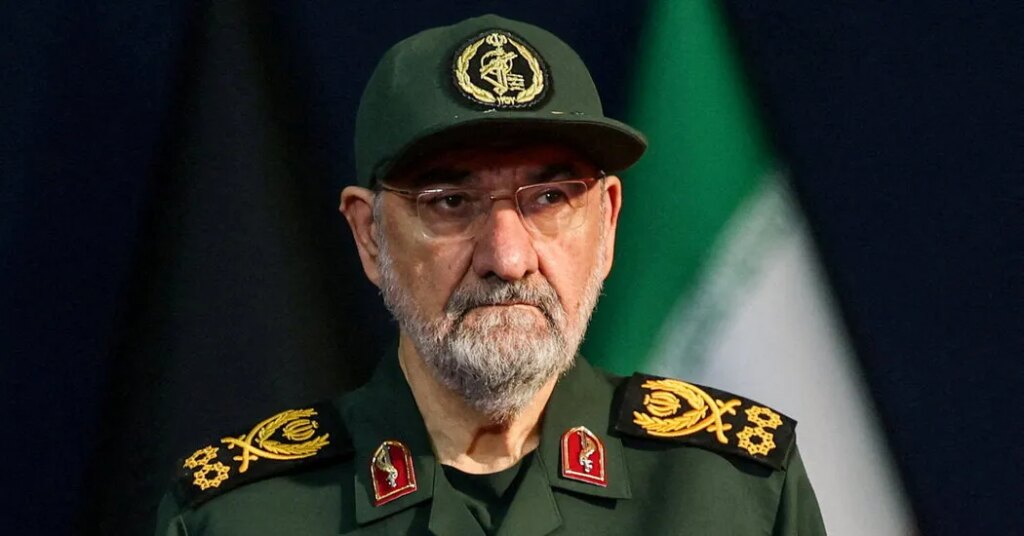
The Saudi defense minister, Prince Khalid bin Salman, will represent the kingdom in the talks, according to a statement from Saudi Arabia’s foreign ministry. The prince will be joined in Tehran by Pakistan’s army chief, Field Marshal Asim Munir, Iranian state media said, as well as Ibrahim Kalin, head of the Turkish national intelligence agency. The officials will meet with Mohsen Rezaei, the head of Iran’s Supreme National Security Council, Mr. Bagheri Kani said.
The planned meetings come a day after Qatari mediators visited Tehran to try to hammer out an agreement between the United States and Iran and stave off renewed regional war, according to Iran’s foreign ministry spokesman, Esmaeil Baghaei. Last week, Mr. Munir of Pakistan also made a visit to Tehran to help in diplomatic efforts.
A Gulf official, who spoke on condition of anonymity to discuss the negotiations, said the talks on Monday were supporting the efforts of Qatari and Pakistani mediators and were intended, in part, to urge Iran to show enough flexibility to reach a diplomatic solution with the United States.
Qatari mediators have been working on an agreement between the United States and Iran in which the two sides would make a series of concessions over a five-day period, two diplomats briefed on the talks said.
They said that, as part of the concessions, Iran would reopen the Strait of Hormuz, a vital waterway for energy shipping in the Persian Gulf, for commercial shipping, while the United States would lift a naval blockade on Iran’s ports that has deepened the country’s economic crisis.
The main stumbling block to that agreement has been determining when each side would make its concessions, the diplomats said.
Iranian officials last week signaled pessimism that an agreement could be reached and warned that if Iran were attacked again, its forces would expand their targets to data centers and underwater internet cables in the region.
For Iran, the visit by Saudi Arabia, Turkey and Pakistan on Monday is symbolically significant, as Iranian officials are eager to sideline the United States from regional security and diplomatic arrangements.
The Mecca Pact was signed in August as countries in the Middle East have sought new ways to ensure their security without relying on the United States and other Western powers. That has become particularly important to leaders in the Gulf Arab countries, which faced a barrage of Iranian missiles and drones after the U.S. and Israeli attack began in February.
“From our perspective, the very fact that regional countries are seeking to establish, or at least contemplate, regional security mechanisms based on their own interests and considerations is a welcome development,” Mr. Baghaei, the Iranian foreign ministry spokesman, said at a news conference in Tehran on Monday.
Aaron Boxerman and Sanam Mahoozi contributed reporting.
The post Flurry of Diplomacy in Iran as Threat of Renewed Regional War Looms appeared first on New York Times.