In my years working in interior design, I’ve had many clients approach me looking for definitive “rules” for decorating their homes.
They want to know how to make their home look good and function better, assuming there is a set of guidelines to help them get there.
Certainly, there are building codes, safety requirements, and circulation considerations that must be met. However, much of what we think of as design and decorating is guided by rules of thumb, best practices, and even cultural assumptions.
The longer I practice design — over 20 years now — the more I learn that there are very few set rules to follow. Although some can be a good starting place, they often overlook the people who actually live in the space we’re designing.
Here are a few design “rules” I think are worth breaking and why.
If you’re remodeling your kitchen, you definitely need some open shelving.
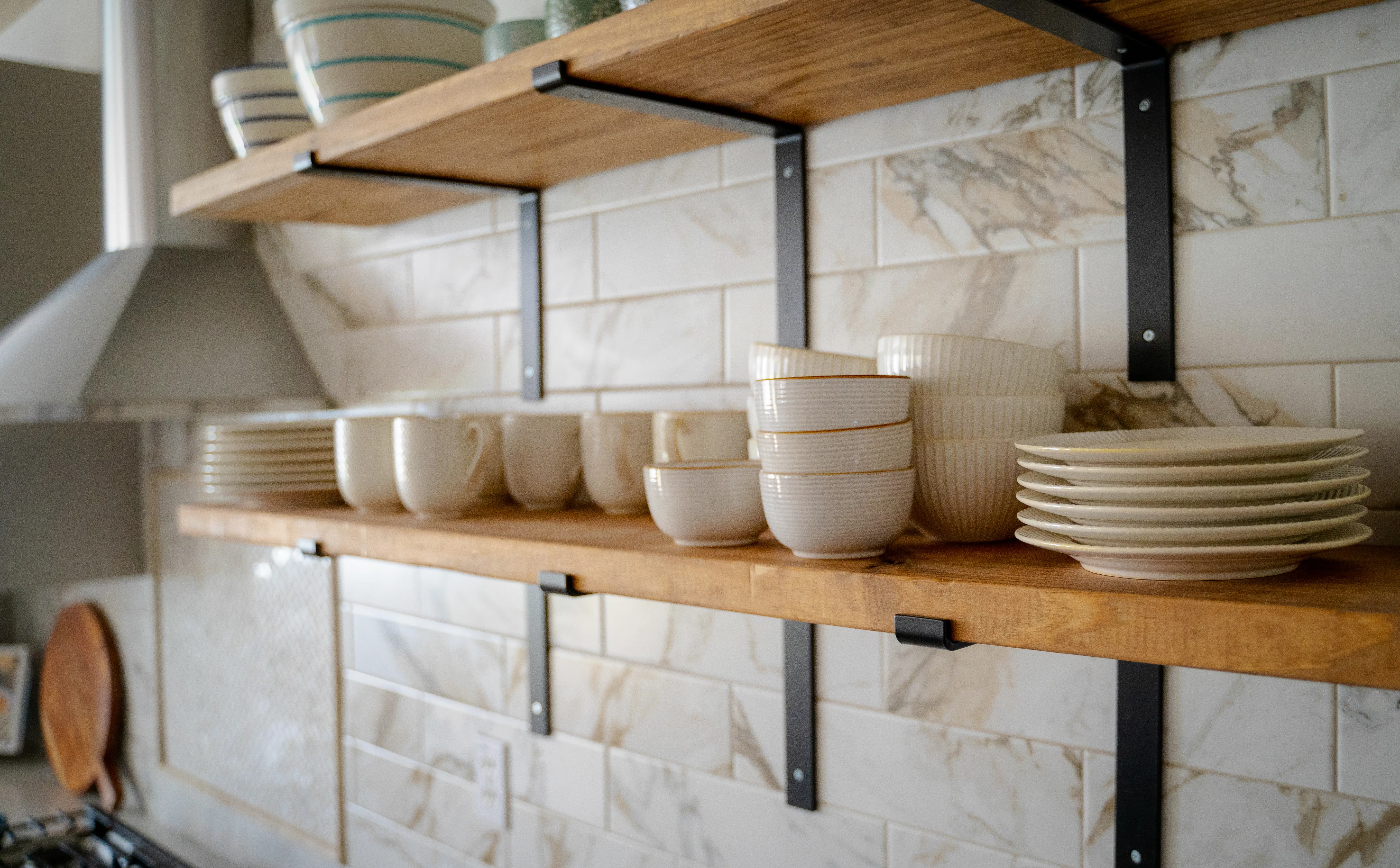
Open any shelter magazine, and you will likely see open shelving as a prominent kitchen feature.
Open shelving is beautiful, often breaking up a wall of cabinetry, making a kitchen feel lighter and more open while creating a place to display dishes, glassware, cookbooks, or other collected personal effects.
Although I, too, am drawn to open shelves, I question whether it’s the right choice for every client. Those beautifully styled shelves require you to decide what stays visible, keep some degree of order, and deal with more dust and kitchen grime.
For some people, that’s no problem — or even enjoyable. For others, it’s one more thing to maintain.
Before my clients make this design choice, we talk through what would actually live on those shelves and whether they want the responsibility of keeping them looking the way they imagine.
After all, a trend can show you a new possibility, but it can’t tell you whether that possibility fits your life.
Your interior style should match your home’s architecture.
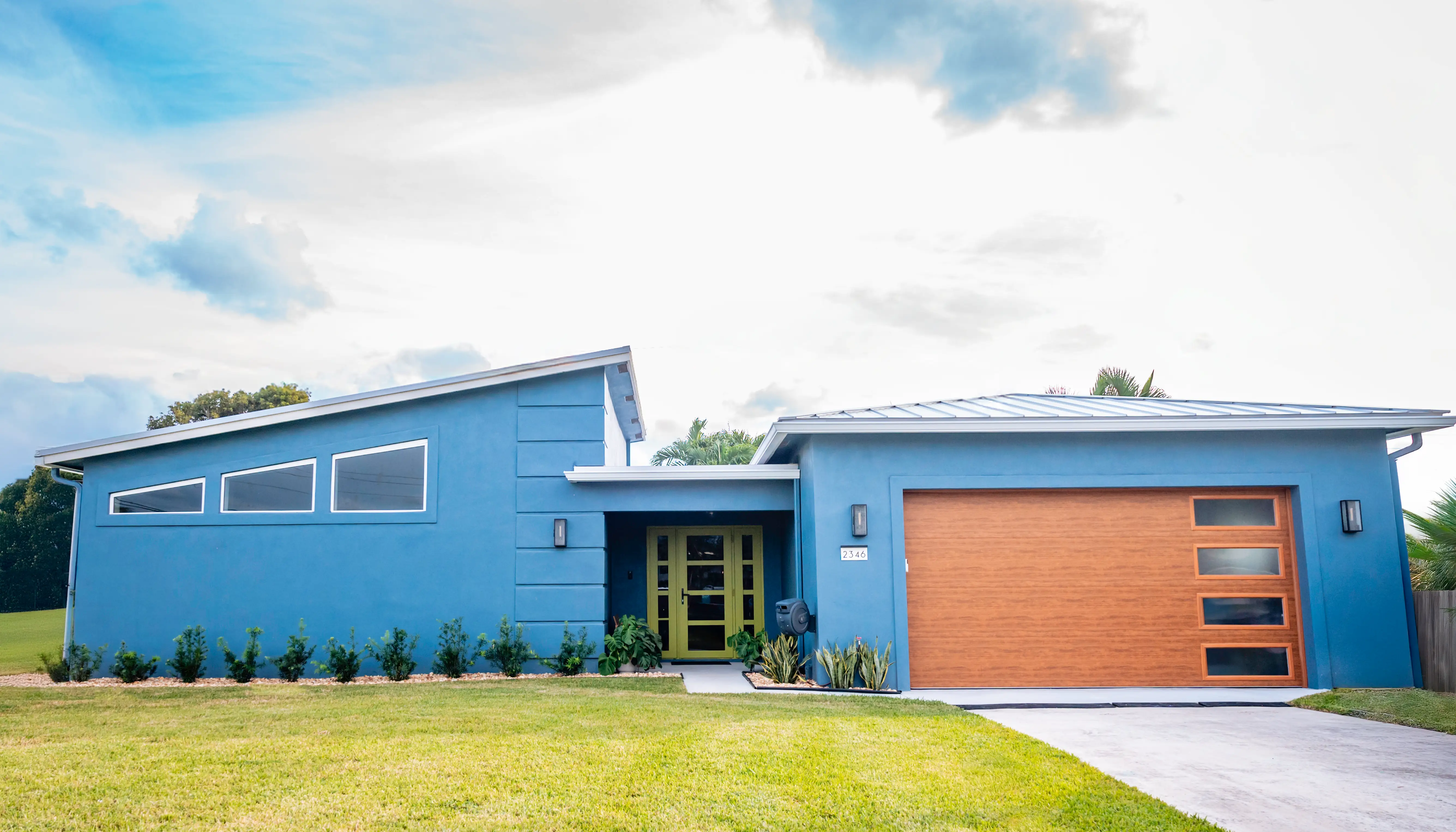
I have many clients who make this assumption: If my home has a traditional architectural character, my new kitchen or bathroom must also have more traditional elements — think Shaker cabinetry, crown molding, and bronzy hardware.
Although I agree that architectural continuity can create cohesion, the architecture of your home is context, not a mandate.
When someone doesn’t identify with their home’s traditional character, I think it’s important to honor the individual. I have seen many contemporary interiors set within traditional homes, and the juxtaposition can be breathtaking.
If your home isn’t working, you need more space.
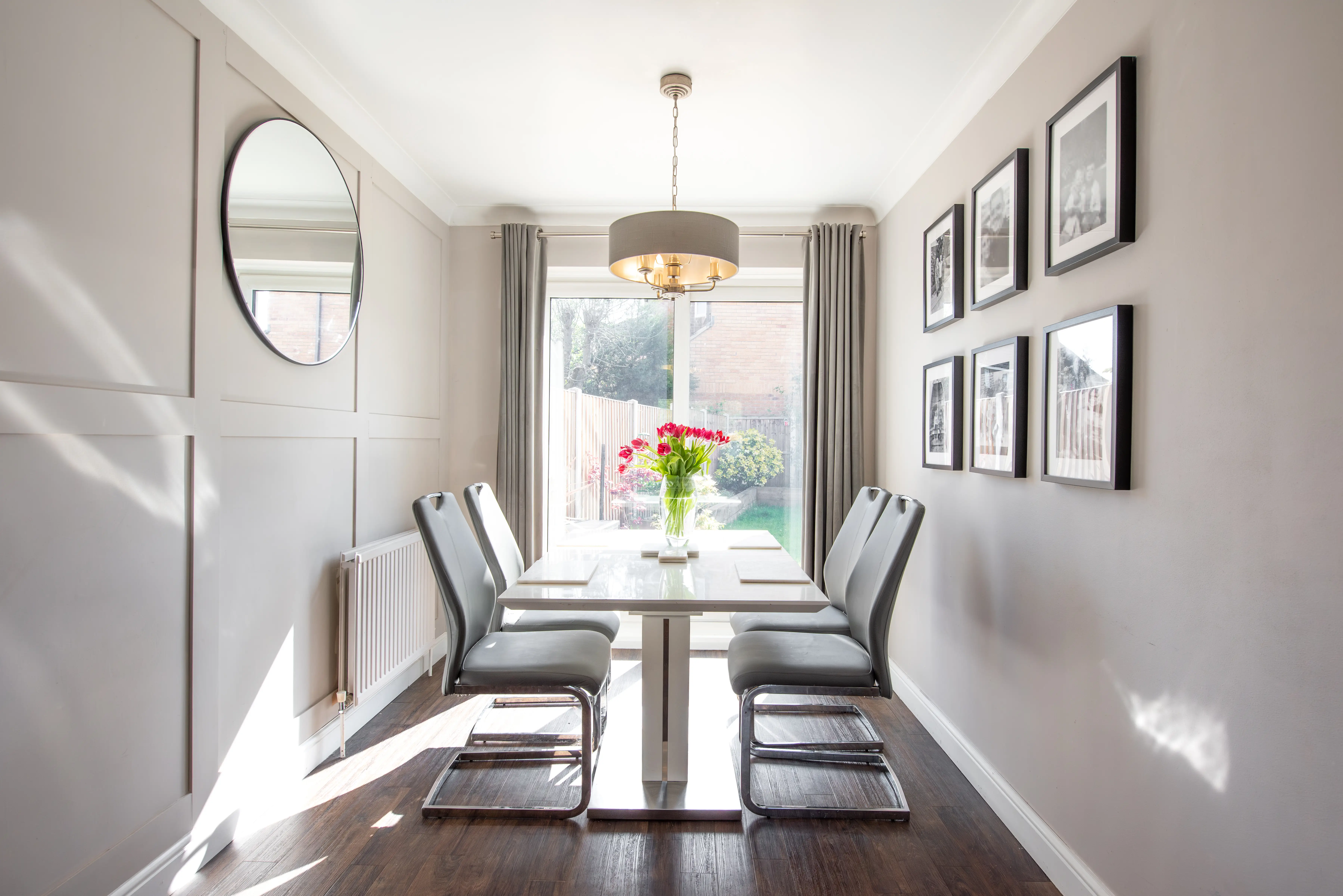
When a space feels cramped or isn’t functioning well, I often see clients immediately assume they must add square footage.
Sometimes an addition is the right answer, but often the problem lies in how the existing space is being used.
For example, I had a client who was considering an addition to their kitchen. As we studied the existing space together, it became clear that the kitchen already had plenty of room, but the current layout wasn’t making good use of it.
Rather than expanding the footprint of their home, we focused on reorganizing the space they already have so it functions better for them.
Before assuming more space is needed, identify where the friction is coming from: difficulty moving through a room, belongings that pile up in unwanted places, or things stored far from where they’re used.
It’s impossible to solve a problem you don’t fully understand.
Some furniture is too nice for everyday use.
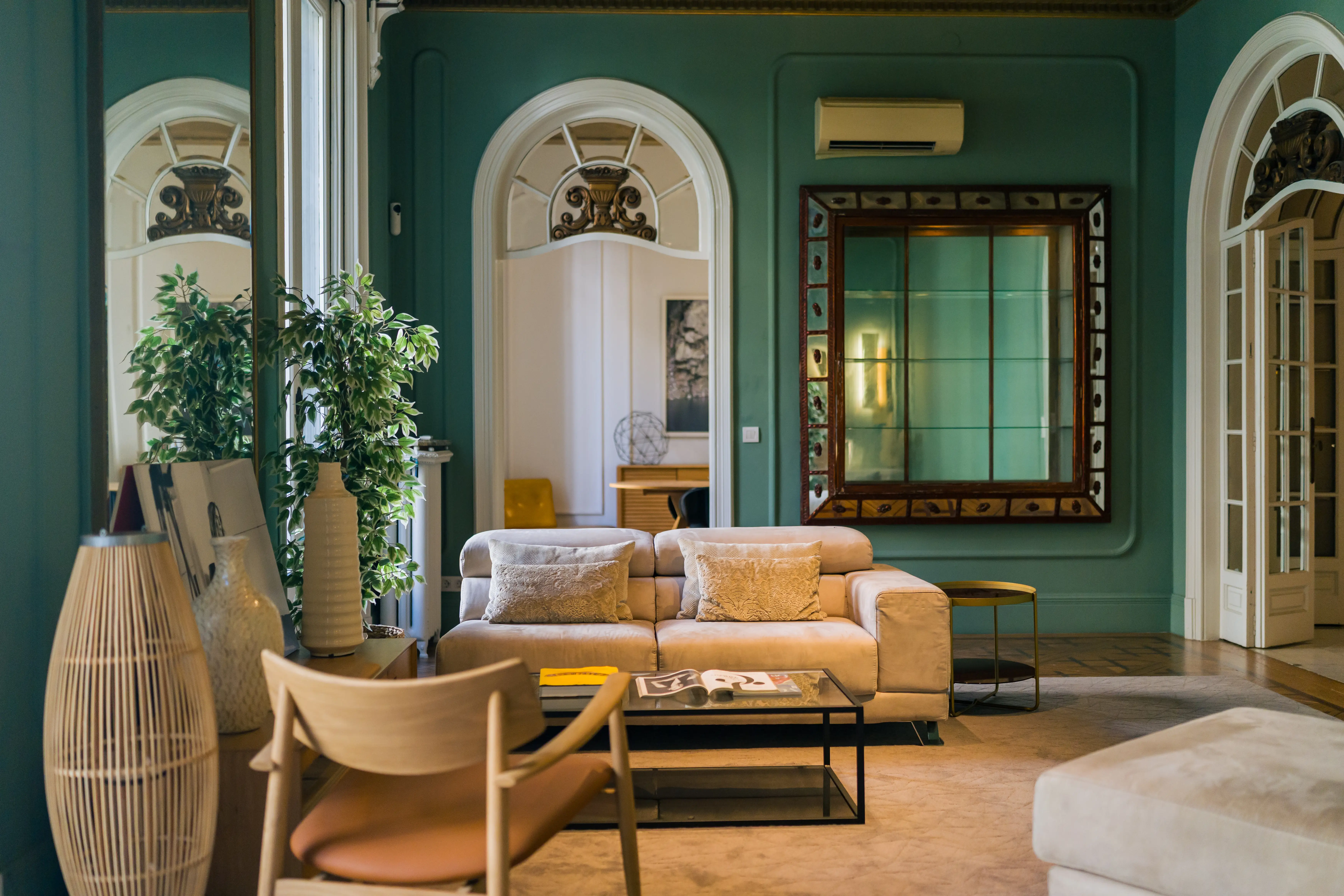
If you’ve ever invested in beautiful or expensive furniture, you may have worried about how you’ll protect it from getting “ruined” by daily life.
But here’s the rub (pun intended): When protecting furniture starts interfering with actually living in your home, we may have a problem.
Think about the white sofa featured in the aspirational home decor imagery in magazines or on social media. It’s beautiful. It’s pristine.
However, every Friday night, it needs to be covered with a blanket before anyone settles in to watch TV with a glass of red wine and a piece of chocolate. At some point, the needs of the furniture began to take priority over those of the person using it.
Here is the truth: Furniture is meant to be used, and a home is meant to be lived in.
Your kitchen trash can should be next to the sink.

This is a pretty standard kitchen-planning rule of thumb: Put waste collection close to the area where food prep and cleanup happen.
However, this is based on an assumption about how people use their kitchens. Sometimes, there are better layouts depending on your situation.
For example, many of my clients compost most food scraps. One such client keeps a small compost container on her counter, which is convenient during food prep and clean-up. Between composting and recycling, her regular landfill garbage gets very little use.
Once we uncovered how little this client uses the conventional trash can in her kitchen, we decided to relocate it elsewhere, freeing up valuable cabinet space near the sink and dishwasher.
This may not follow the design “rule,” but it’s a more practical arrangement for her space.
Empty spaces should be filled.
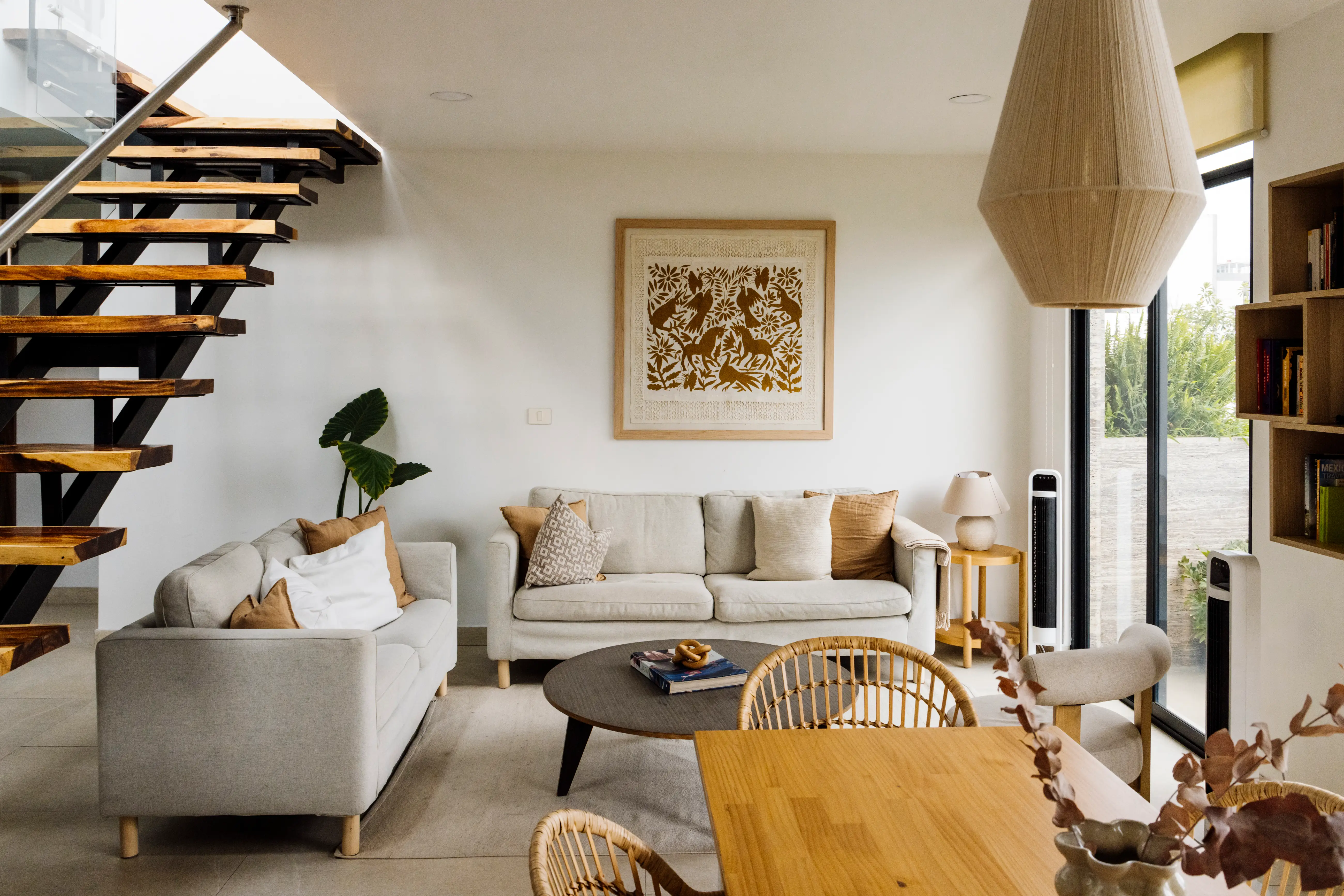
Sometimes an empty wall, shelf, or corner of a room can make a space feel unfinished, and our natural inclination is to fill it.
However, is empty space actually a problem that needs to be solved? No … at least not immediately.
I often encourage my clients to experiment with leaving something empty as part of the design process. It gives you an opportunity to live with the space and discover what — if anything — you actually need there.
You may discover a function you hadn’t anticipated, eventually find something you genuinely want there, or realize that the room works better without anything at all.
If a room isn’t working, it needs a makeover.
If a space feels unfinished, disjointed, or just “off,” we often believe it needs a substantial change — new furniture, different finishes, or even a remodel.
And with so many dramatic reveals and before-and-afters, it’s no wonder we think meaningful improvements require meaningful (and expensive!) interventions.
Rather than replacing everything, sometimes small, thoughtful changes can alter how a whole space feels.
For example, I had a client whose guest bathroom was remodeled several years ago. The materials, fixtures, and finishes were beautiful, but they didn’t quite come together as a whole.
Rather than replacing them, we added a single wall of peel-and-stick wallpaper, a DIY project the client could tackle over a weekend. It connected what was already there and made the room feel cohesive.
Your interior designer has better taste than you.
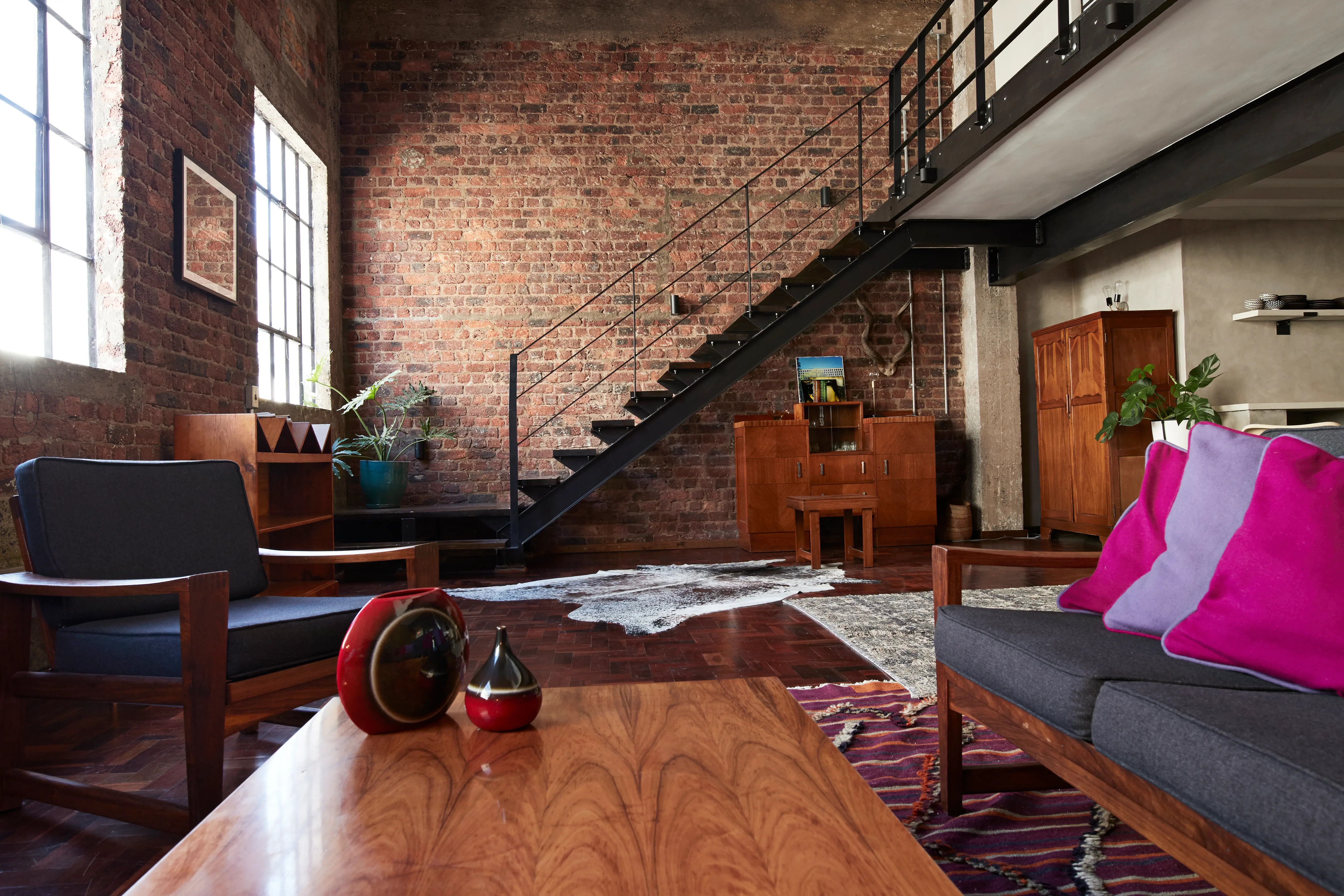
Because an interior designer has professional expertise and experience, homeowners assume their aesthetic judgment is more valid — or that the designer has the “right” design answer, and they do not.
Designers understand proportion, scale, color, materials, and composition, but clients know more than they give themselves credit for. They notice when a color feels wrong, have strong reactions to particular materials or furnishings, and can identify what they prefer even if they don’t have the design vocabulary to explain why.
Although a designer can help you understand those preferences and translate them into a cohesive space, your own sense of what feels right should be part of the design process.
After all, expertise isn’t about applying rules indiscriminately — it’s about knowing when they serve the person in front of you and when they don’t.
I have a saying in my practice: “You do you!” You are the expert in how you live, what you like, and what makes you feel at home.
Read the original article on Business Insider
The post I’ve worked as an interior designer for over 20 years. Here are 8 decorating ‘rules’ worth breaking. appeared first on Business Insider.