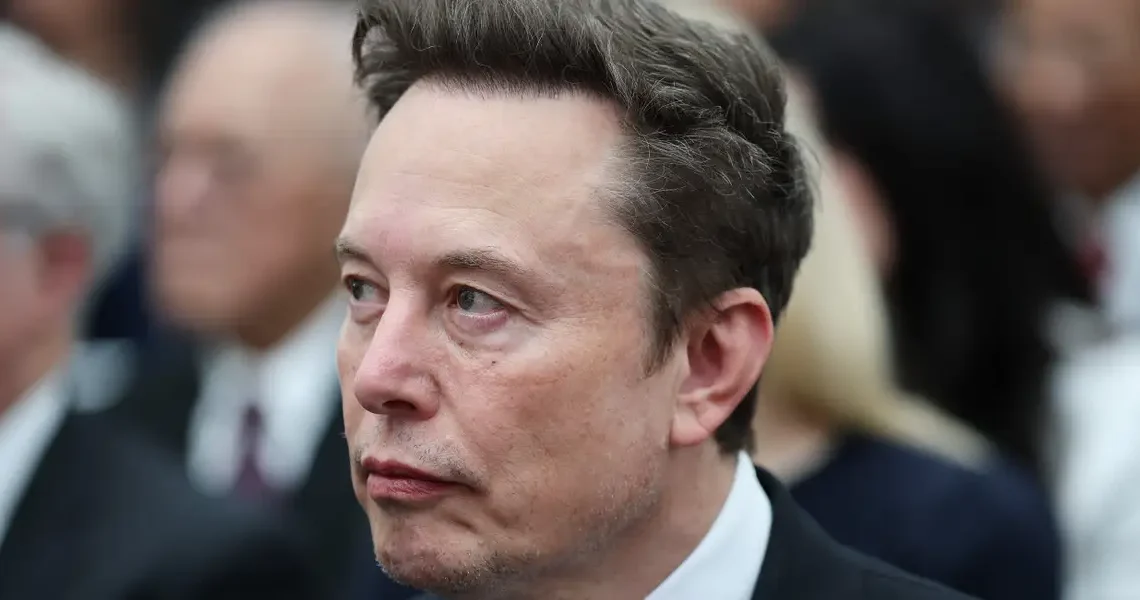
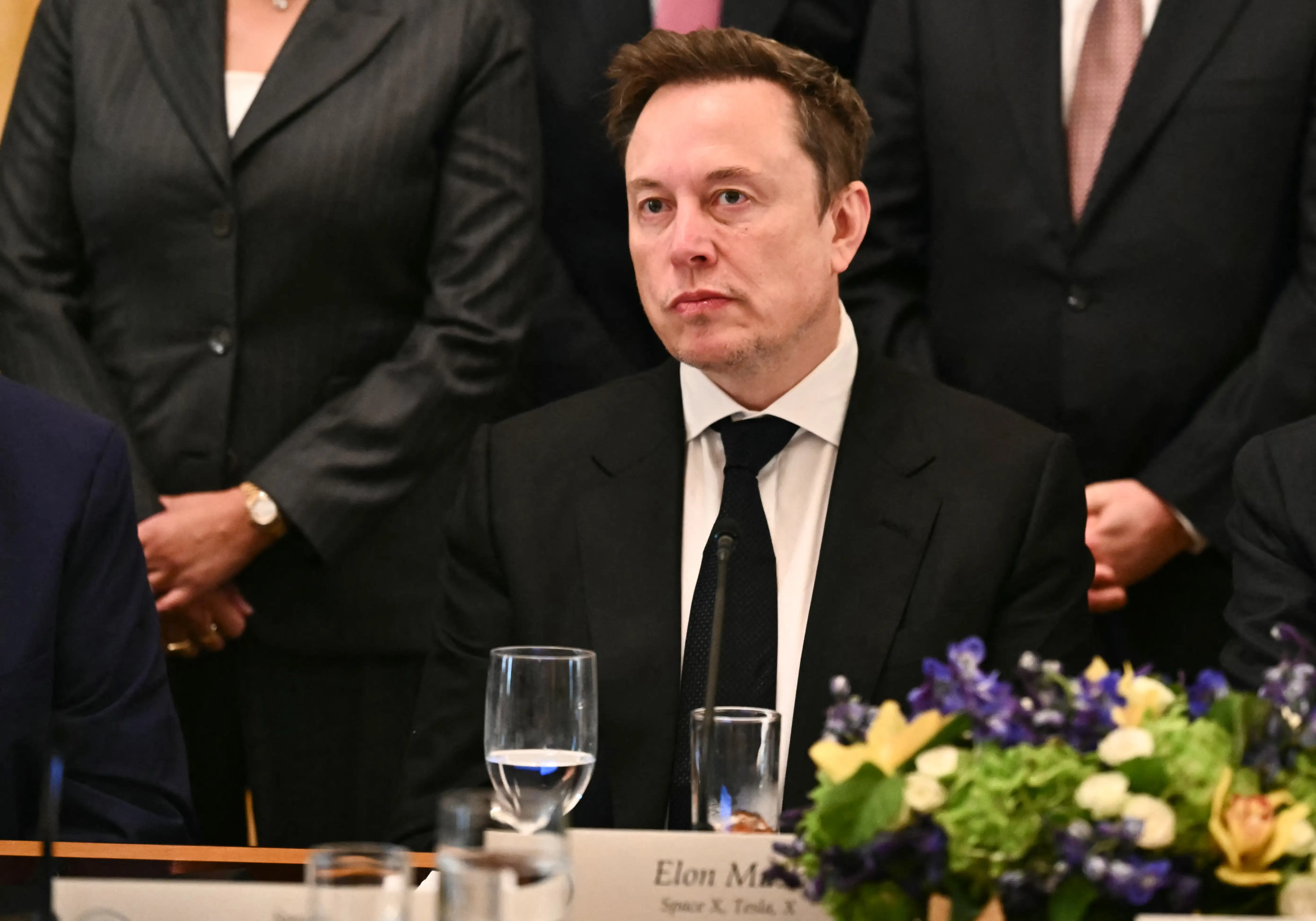
Christmas came early: Elon Musk wants American children to own stock in his space company, SpaceX, next year.
Musk wrote on X around 1 a.m. Monday that he planned to make the donation next year — “the first of many,” he said. SpaceX went public this summer.
Giving one share to each of the estimated 72 million US children would cost roughly $10.7 billion at SpaceX’s closing price of $147.92 on Friday. Musk’s 4.77 billion SpaceX shares were worth about $706 billion at that price, so the gift would reduce his holdings by about 1.5%.
President Donald Trump said on Truth Social on Monday that the shares would be transferred through Trump Accounts, tax-advantaged investment accounts for eligible American kids launched this summer. Under temporary Treasury rules, donated shares generally cannot be sold for five years.
“This is exactly what was envisioned when we created TRUMP ACCOUNTS,” Trump said. “Bringing together the GREAT PRIVATE SECTOR, Elon and so many more, to invest in our children.”
The White House said nearly 70 million Trump Accounts have been created. Numerous entities have agreed to contribute, including a $6.25 billion donation from billionaire couple Michael and Susan Dell for children in lower-income zip codes. In July, SpaceX President Gwynne Shotwell and her husband pledged personal SpaceX shares worth at least $321 million, prioritizing lower-income communities.
The White House, Elon Musk, and SpaceX did not immediately respond to a request for comment from Business Insider.
Musk’s plan to give away SpaceX stock raises questions about a new kind of billionaire philanthropy: Gifting people shares in a company instead of cash.
Giving millions of children a stake in SpaceX could give them money to use later in life — but the value is tied to a single company’s stock. And history shows that efforts to spread corporate ownership can yield uneven results, from big investment returns to stakes being sold for quick cash.
Here are other historical efforts to share wealth or spread corporate ownership among everyday people.
US Sen. Mike Gravel’s 1978 share proposal to Alaskans
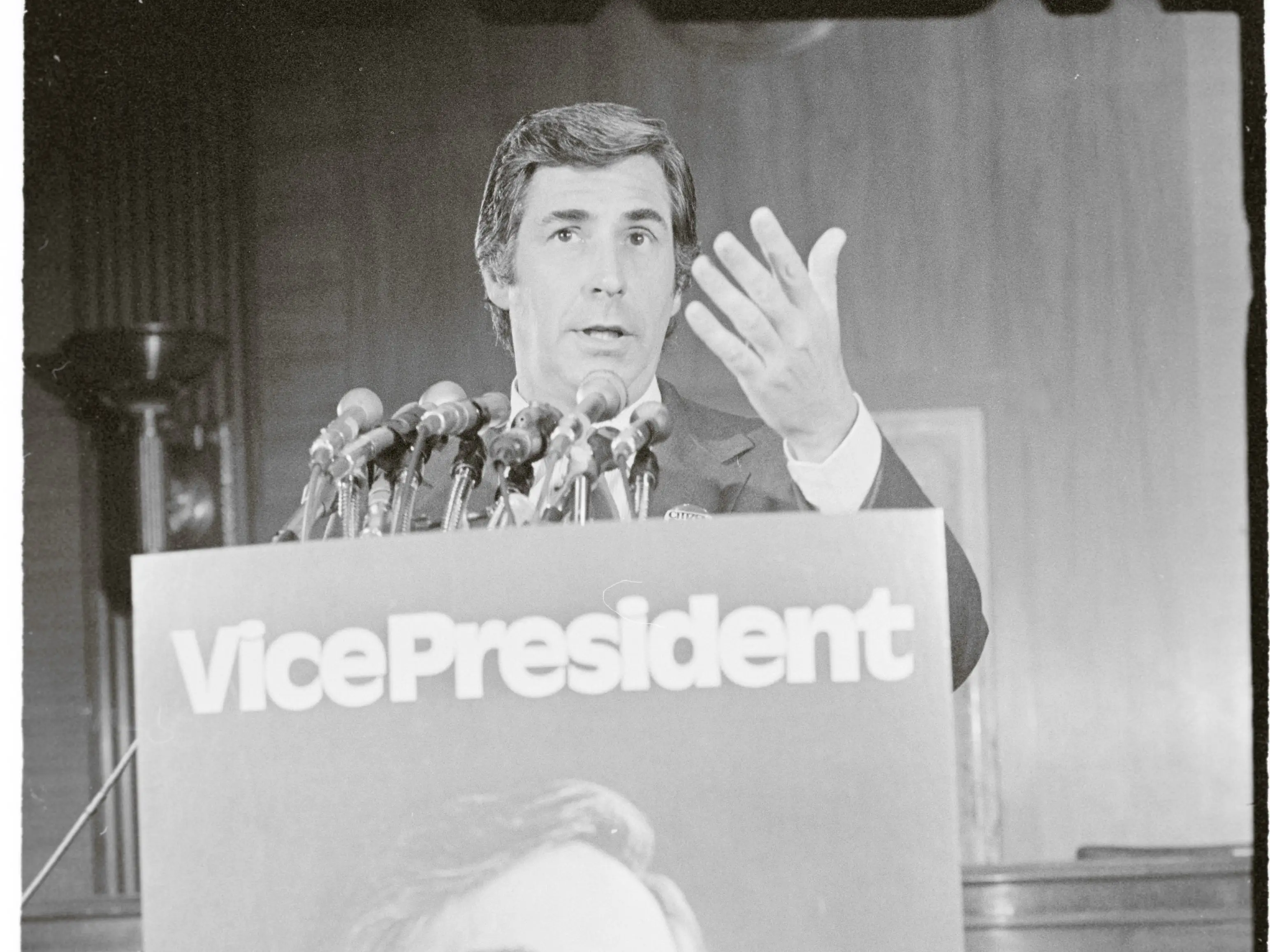
In 1978, US Sen. Mike Gravel proposed a statewide ownership corporation that would have given Alaskans, including children, stakes in major energy and other business projects. The Trans-Alaska Pipeline System was one potential investment.
The idea was that Alaskans would benefit from an economic boom and any rising asset values. However, the plan never materialized.
Alaska instead developed a dividend system that draws on its preexisting Permanent Fund, a state fund established in 1976 with oil royalties that invests in stocks, bonds, and other assets. It began paying annual cash dividends to eligible Alaskans in 1982.
The Permanent Fund still continues today, with a $1,200 dividend distributed to every eligible Alaskan adult and child who applied in 2026. The initial dividend this year was set at $1,000, but recipients also got an extra $200 energy-relief payment.
Eastern Europe’s 1990s mass privatization experiment
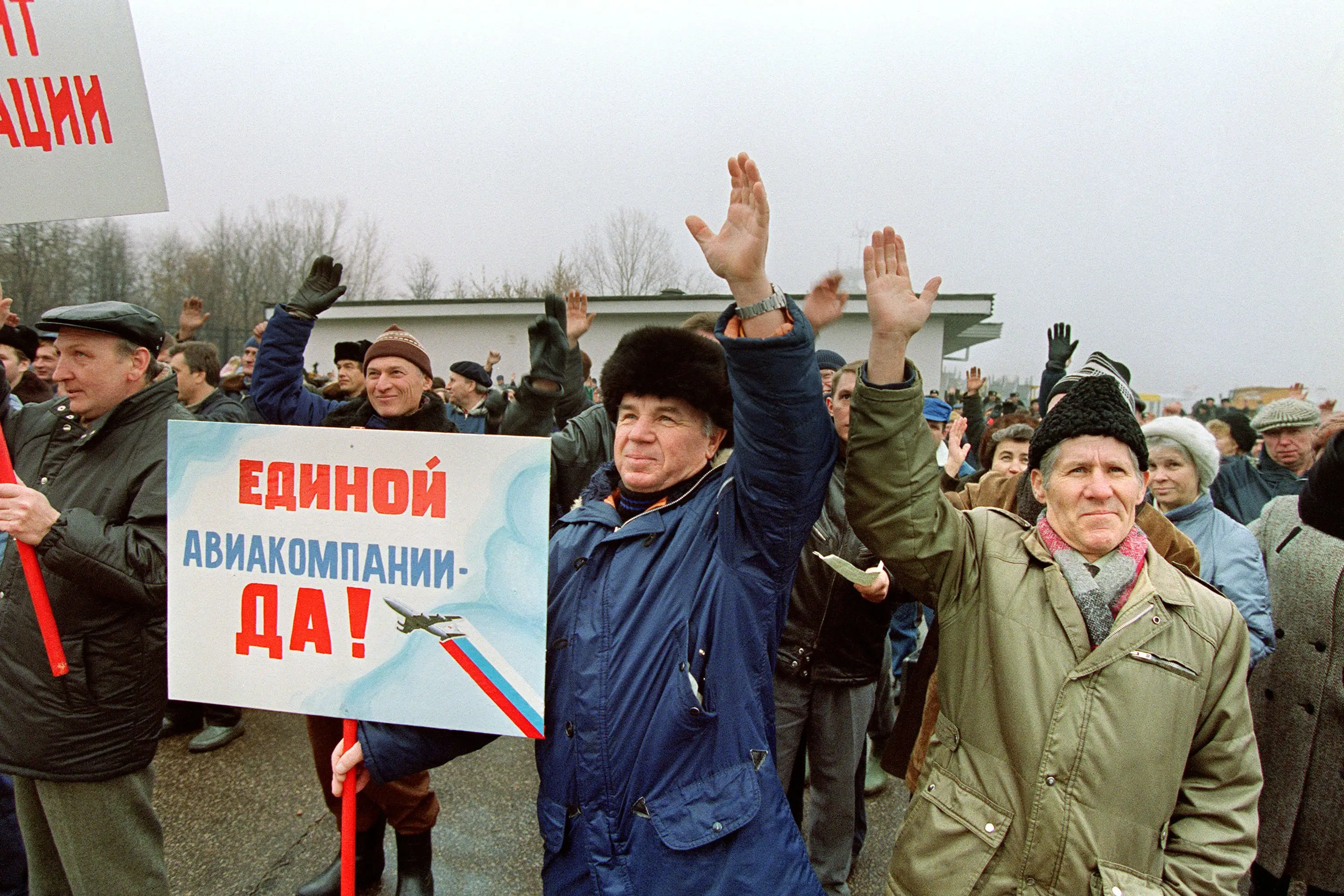
Following the collapse of the Soviet Union in 1991, several countries in Central and Eastern Europe used voucher programs to transfer former state-owned companies into the hands of everyday people.
Russia began distributing privatization vouchers to roughly 144 million people in 1992. Russians could use them to buy shares in former state companies, exchange them for shares in investment funds, or sell them for cash.
Czechoslovakia used a similar system, allowing adults to buy low-cost voucher books and use the points to bid on company shares or invest through funds. After Czechoslovakia split in early 1993, the Czech Republic continued its voucher program, while Slovakia canceled its planned second wave of voucher privatization.
Other countries, including Poland, Romania, Bulgaria, and the Baltic states, adopted their own versions of mass privatization.
The programs were designed to rapidly create broad public ownership. But many recipients sold their vouchers for cash amid economic uncertainty, rather than retaining shares.
Evžen Kočenda, a professor at Charles University’s Institute of Economic Studies, said that the program was a good idea at the time, given the region’s poor economy, but that ultimately, the vouchers were not ‘real money,’ but rather a financial asset.
Kuwait’s 2019 national stock exchange privatization
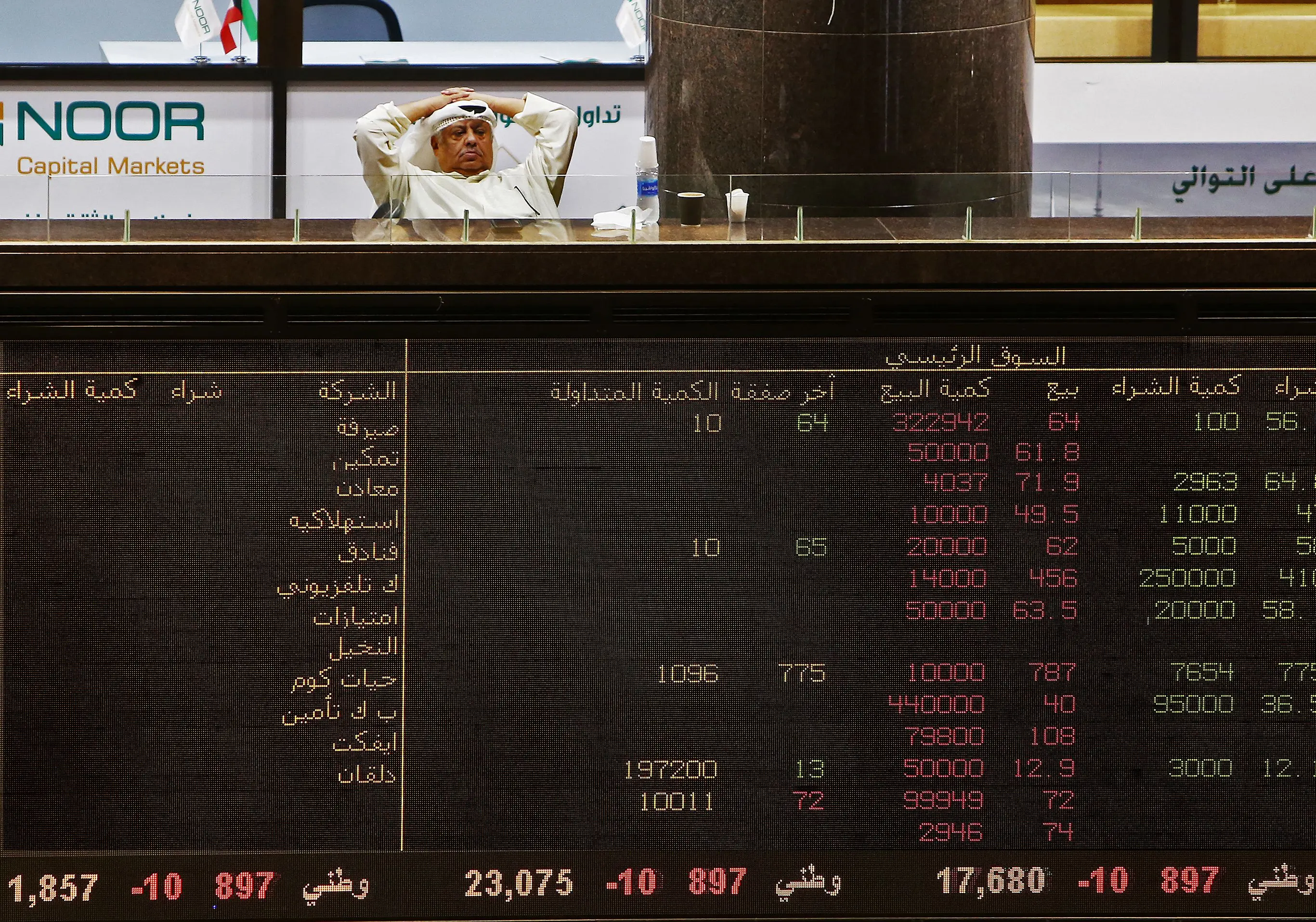
Kuwait privatized Boursa Kuwait, the operator of its national stock exchange, in 2019, and gave Kuwaitis the opportunity to purchase a stake in the company. The only requirement for registration was that the individual was a Kuwaiti citizen.
Those who participated — about 83,000 of the country’s 4.4 million — were initially allocated up to 70 shares each. The initial public offering share price was set at 100 Kuwait fils, roughly $0.33 per share.
Following the privatization, Kuwaiti citizens and private-sector investors together owned roughly 94% of Boursa Kuwait. The Public Institution for Social Security held the remaining 6%.
The Kuwaitis who participated saw a huge return on investment: When Boursa Kuwait debuted on the public market in September 2020, its shares rose more than 10-fold from their 100-fils IPO price, closing at 1,055 fils, or about $3.41.
Today, the privatization is widely regarded as a major success in the investment world, and Boursa Kuwait has described it as the Middle East’s only privately owned stock exchange.
Read the original article on Business Insider
The post Elon Musk wants to give every American kid a piece of SpaceX. History shows what happens when millions become shareholders overnight. appeared first on Business Insider.