Ryan Bourne is an economics scholar at the Cato Institute.
Four years after U.S. consumer price inflation peaked at 9 percent, Americans remain angry about the cost of living. The price level has risen by 30 percent since February 2020, with every grocery run, rent check and electricity bill — alongside costlier mortgages, car loans and credit card debt — a reminder of this price shock.
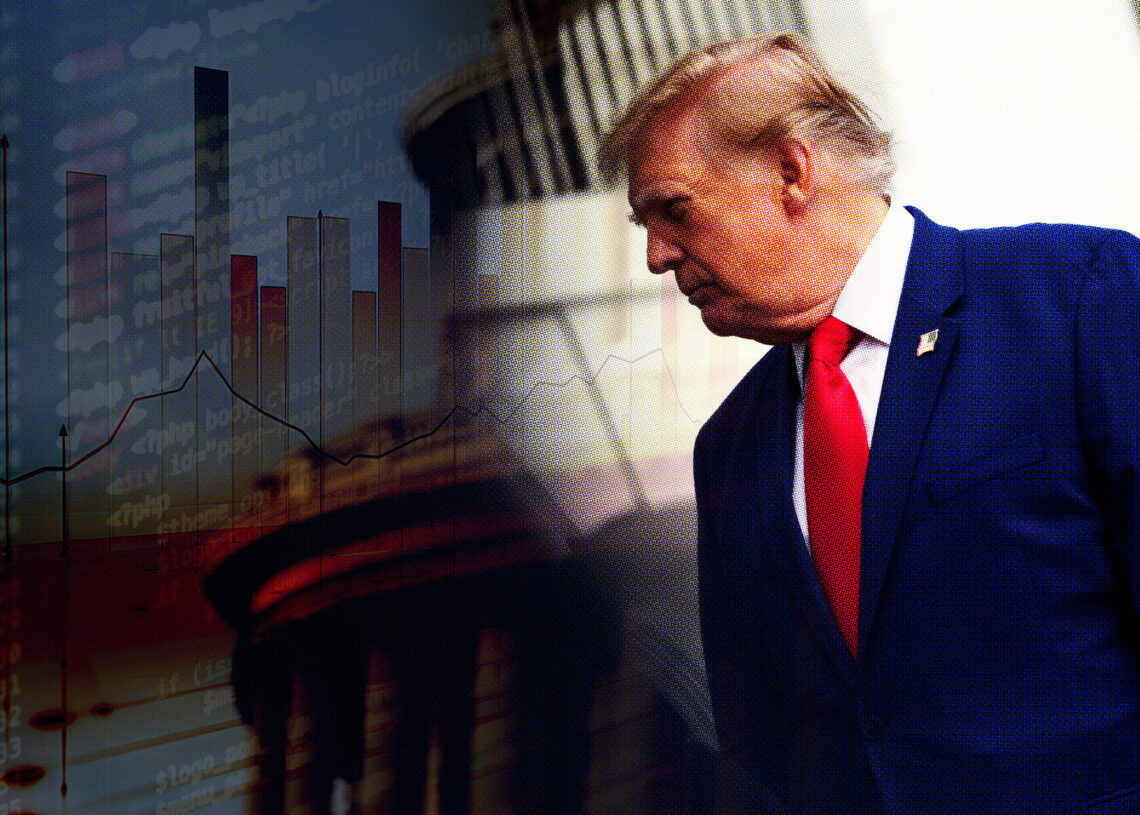
The political consequences have been stark. Inflation was a leading concern in 2024, when the Democratic Party lost the White House. Donald Trump then campaigned on rapidly lowering prices. Instead, tariffs and the Iran conflict’s oil shock have left him and Republicans floundering on an issue that previously burdened Democrats.
Isabella Weber of the University of Massachusetts at Amherst saw earlier than many economists how politically toxic an unexpected inflation could be. Her new book, “Anti-Fascist Economics,” even argues that this political combustion helped Trump specifically and boosted “the extreme right around the world.”
The fact that Trump himself is now underwater on the cost of living suggests it is incumbents presiding over inflation who face the backlash. But let’s grant Weber’s premise. If high inflation breeds authoritarianism, understanding what causes it becomes a democratic imperative. This is where her book is unconvincing.
She starts with a half-truth. Pandemic shutdowns snarled supply chains, Russia’s invasion of Ukraine drove up food and energy costs, and the Iran conflict delivered another oil price spike recently. Negative supply shocks in these “systemically significant sectors,” she writes, raise prices of basics that hit the poor hard and make production more difficult, raising aggregate inflation.
The difficulty begins when Weber turns this partial mechanism into a general theory. These transitory cost shocks, she argues, gave firms the “perfect opportunity” to raise prices beyond their now-higher costs. Executives’ boasts about “pricing power” prove it — in Weber’s telling, profit-seeking sellers exploited the very real shocks to raise inflation yet higher.
Most economists doubt this theory. If firms could profitably raise prices at will, why await a cost shock? Why would competitors and entrants not undercut firms raising prices above the fundamentals? And where did customers find the money to pay all these higher prices? If gas stations gouge consumers while household spending power is fixed, families have less money left to spend at restaurants or furniture stores. One price — gas — rises, but it is offset by demand and price pressure falling elsewhere. Broad inflation can persist without collapsing sales only when aggregate spending rises too.
That theory alludes to a simpler explanation for inflation. Between February 2020 and March 2022, the money supply grew by $6.2 trillion. Washington ran huge budget deficits while the Federal Reserve held rates near zero and bought trillions in assets. By mid-2022, all this stimulus meant nominal gross domestic product — total dollar spending — was growing at 10 percent a year, instead of its pre-pandemic trend of 4 percent per year. This excess demand was the underlying cause of price increases, not greed.
Explaining high prices and profits doesn’t require tacit collusion by firms. Overseas shocks shifted demand toward American substitutes, raising their prices; the broader spending boom allowed other prices to rise across industries, given that more money was chasing goods and services. Because retail prices adjust faster than costs fixed by contract, such as wages or existing inventory, profit margins widened temporarily in many sectors.
Yet Weber credits all the stimulus for the rapid recovery while largely absolving it of the ensuing inflation. The same dollars, apparently, could stimulate production but not prices — a convenient distinction for which the book supplies no explanation.
This diagnosis affects Weber’s analysis of the options the United States had to deal with inflation. In her telling, economists on “Team Wait-and-See” correctly anticipated that supply chains would heal without monetary tightening but were too indifferent to near-term suffering. “Team Austerity” would raise interest rates, causing unemployment to get inflation down. Her alternative — price caps, commodity reserves, antitrust and public provision — would “target the specific prices that drive inflation,” until supply recovered. One camp is callous, another cruel and hers, conveniently, humane and “anti-fascist.”
Yet all this is written as if economists don’t know what subsequently happened. Supply chains did heal, but the money supply was squeezed and the Fed raised rates by 5.25 percentage points. This monetary tightening saw spending growth slow and inflation fall back a long way toward target. This happened without mass unemployment — an outcome she treats, oddly, as vindicating her opposition to tightening rather than challenging it.
That might have prompted a rethink. Perhaps the book’s opening explains why it did not: Weber recalls spending years seeking “a serious fight against inflation” that would protect workers from cost shocks without interest rate hikes. It is only mildly uncharitable to say she found a crisis for her preexisting cure.
Weber has become a leading advocate of theories that place one-off shocks and corporate conduct as inflation’s drivers while relegating macroeconomic policy to the margins. Politicians in both parties find the diagnosis congenial. It shifts attention from fiscal and tariff choices toward the businesses adjusting prices in response.
Her ongoing success muddies the waters on the monetary roots of inflation among the public, in turn inviting price controls and other policies which won’t cure inflation, but will create shortages, quality declines and inefficiency. If inflation feeds fascism, economists have a duty to understand what feeds inflation.
The post ‘Anti-fascist economics’ ignores the trouble Trump’s in appeared first on Washington Post.