Roy Smythe is a life sciences consultant and former academic surgeon.
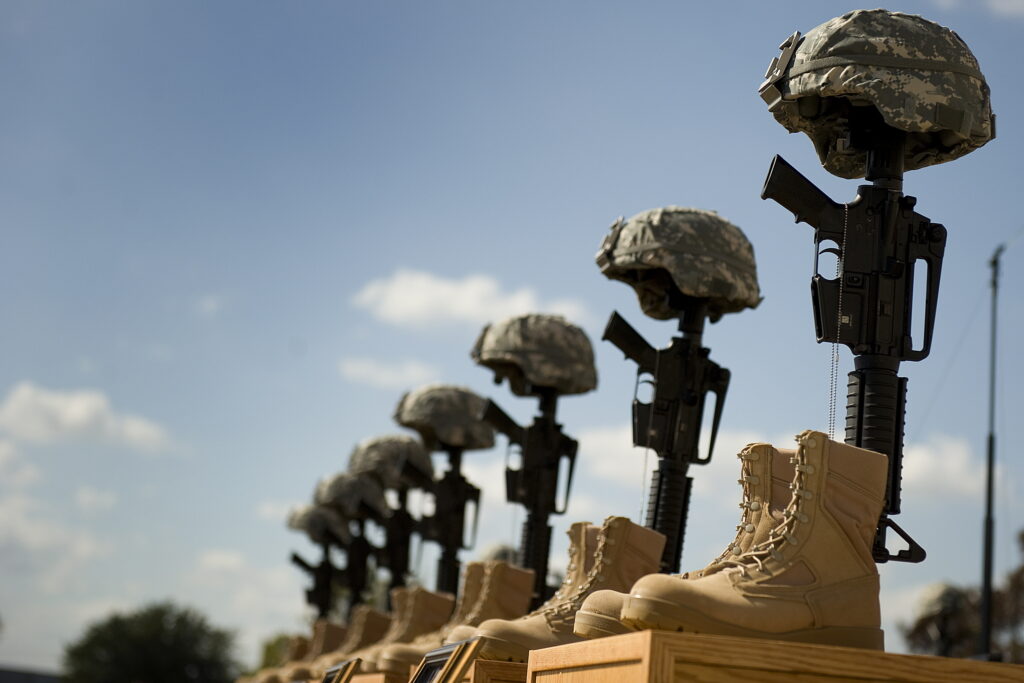
I was the chief of surgery at the hospital where some of the seriously wounded were sent after the mass shooting at Fort Hood, Texas, on Nov. 5, 2009.
Our phone number at the Level 1 trauma center in Temple was broadcast by national news networks shortly after the shooting — overwhelming communications and cutting us off from the Army base. As a result, we had no idea what had transpired — no knowledge of how many were involved or the nature of their injuries. We had heard rumors: a dirty bomb had been detonated, a battalion had turned against its fellow troops and hundreds or more were wounded or dead. Homes near the base were locked down, as were schools, including my children’s. And I recall a burning sensation in my stomach as I called my wife and asked her to lock the doors of our home, stay inside and watch the news.
Finally, wounded soldiers began to arrive by car, ambulance and helicopter. Because I was a cardiothoracic surgeon rather than a trauma specialist, my initial role was simply to provide support.
However, at one point in the mayhem, I was standing outside an emergency treatment room when a soldier with gunshot wounds was quickly wheeled in. Because no other staff members were available, a surgical resident and I quickly assessed him. We found he had a potentially life-threatening problem for which we performed an emergency procedure while one of his wrists was handcuffed to the stretcher. We assumed the restraints were due to confusion at the scene of the shooting. Thankfully, a trauma surgeon came in, and I stepped out.
About an hour later in the operating room lounge, I watched a CNN live broadcast of our hospital from a helicopter’s overhead perspective. The announcer showed a photo of a young military officer believed to be the shooter and said that the officer was killed at the scene. I commented to a nurse next to me: “Nope, he’s alive. I just took care of him in the emergency room.”
Defense Secretary Pete Hegseth’s announcement last week that the execution of Fort Hood shooter Nidal Malik Hasan would be broadcast brought the events of that day in 2009 rushing back for me, and I am sure it did for many others. I remember clearly the brave soldiers’ moans and cries, their blood covering the trauma room floors, and the anguish of their loved ones and countless other Americans.
Over time, I learned more about Hasan, the Army major and psychiatrist sentenced to death for killing 13 people and wounding 32 in the shooting. His parents were Palestinians who left the West Bank in the 1950s. Once he recovered from his injuries, Hasan repeatedly told physicians and attorneys that he wanted to be a martyr for his cause. Though he had hoped to die during his attack, he later said he would be willing to be executed, as it would achieve the same goal.
A physician’s social contract is to treat everyone equally regardless of their known or assumed transgressions. We are not empowered to pass judgment or punish by refusing to provide care. I have no regrets about treating Hasan, primarily because I agreed to this contract and took an oath to “do no harm.” But there’s another important reason.
There’s a difference between witnessing suffering and reading about it. The former can lead to emotional empathy, and the latter, cognitive empathy. Think of this as “feeling” versus “understanding.” Emotional empathy can be a powerful motivator for action or sacrifice in service of those who suffer. When someone witnesses the suffering of others and combines this with a sense of injustice, the resulting emotions can lead to empathetic anger — encouraging a desire to seek revenge, even, at times, through violence.
Had Hasan’s execution been live-streamed, we would not only have committed an act antithetical to American values, but also risked engendering empathetic anger among radicals who are motivated by religious or political ideology.
Despite being told by some over the years that we should have let Hasan die, my team and I made the right decision in trying to save his life. I am proud of two things: First, we fulfilled our social contract; second, we did not let him die and inspire others to commit murderous and violent acts in pursuit of martyrdom.
We did not save Hasan so that Hegseth could make him a martyr. So I am gratified that President Donald Trump canceled the live stream Thursday. Though those who wish to use ideological violence and human suffering to achieve their goals may eventually be aware of the Fort Hood shooter’s death, perhaps they will be denied the added emotional motivation that watching the execution could provide.
The post The Fort Hood shooter wants martyrdom. I helped save his life instead. appeared first on Washington Post.