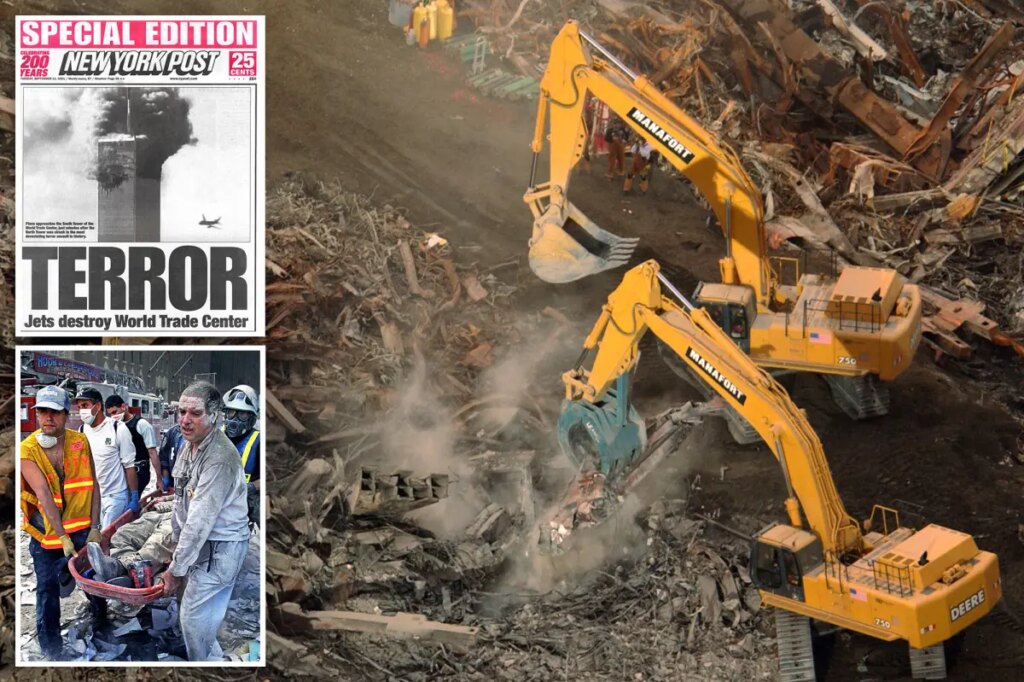
Investigators have identified a second victim of the 9/11 World Trade Center attack using advanced investigative genetic genealogy, New York City officials announced Wednesday.
The victim, a woman who was killed when the Twin Towers collapsed on Sept. 11, 2001, will not be publicly named at her family’s request, the city medical examiner’s office told Newsday.
The discovery marks the second successful Identification by the ME’s office of a World Trade Center victim through the emerging technique — following an initial breakthrough in August.
The cutting-edge technology, known as investigative genetic genealogy, compares a victim’s genetic profile with publicly available ancestry databases — and was the same innovation used to sink Gilgo Beach serial killer Rex Heuermann.
The NYPD conducts the research through its specialized genetic genealogy squad, which analyzes the data to reconstruct family lineages.
Lt. Maria Powers, commander of the genealogy squad, told the outlet that the work is exacting and tedious, sometimes involving tracing back hundreds of years of family history.
When the NYPD is confident in a potential ID, they immediately notify the medical examiner’s office, who contacts the families.
“First-time identifications are typically made by local police officers,” said Jennifer Odien, who operates as a liaison between families and the ME’s office as assistant director of forensic anthropology.
“They [families] would be told to call our office,” she said, according to the publication.
Oftentimes victims’ families are shocked to learn their loved ones have been identified and are eager to learn more.
“A lot of times, they are surprised that their loved one has been identified, then they would like to know how this happened,” Odien added.
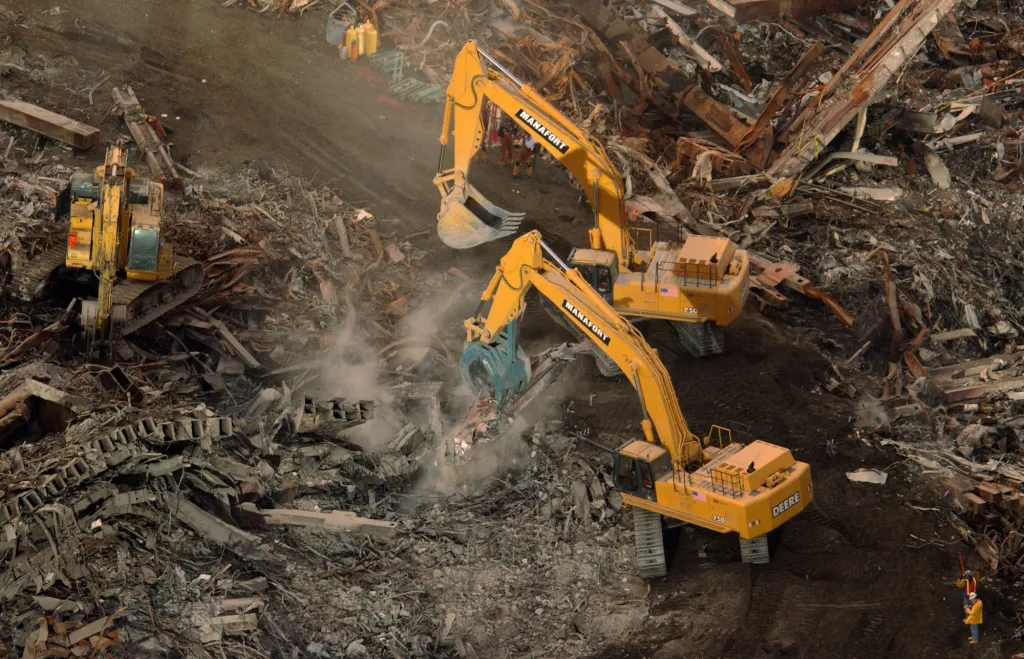
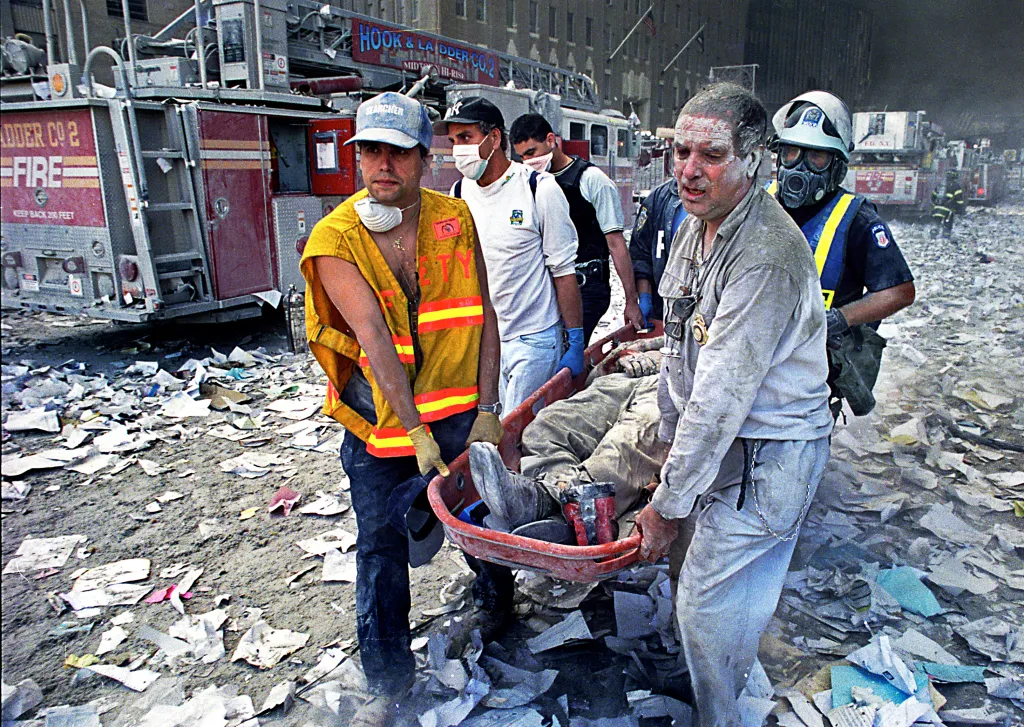
Harsh conditions at Ground Zero — where 2,753 lives were lost in the terror attacks and 1,098 victims still remain unidentified — have made extracting viable DNA notoriously difficult.
However, the ME’s office has collected 47 new genetic samples capable of undergoing genealogical review, offering renewed hope to families still waiting for closure 25 years later, according to Mark Desire, assistant director for forensic biology at the city medical examiner’s office.
Suffolk County District Attorney Ray Tierney called the latest discoveries “great” and technology “we should embrace,” Newsday reported.
In 2025, the same advanced technology was used to collect DNA evidence against Heuermann, which helped give names to Jane Does like Karen Vergata, who was initially known as “Fire Island Jane Doe.”
The judge who presided over Heuermann’s trial, Timothy Mazzei, embraced the technology and vastly expanded Tierney’s scope when probing the serial killer.
“If I wasn’t confident in this case I would’ve never brought it to trial,” Tierney told reporters about the use of the technology at the time.
The post Second 9/11 victim ID’d using cutting-edge genetic technology, investigators say appeared first on New York Post.