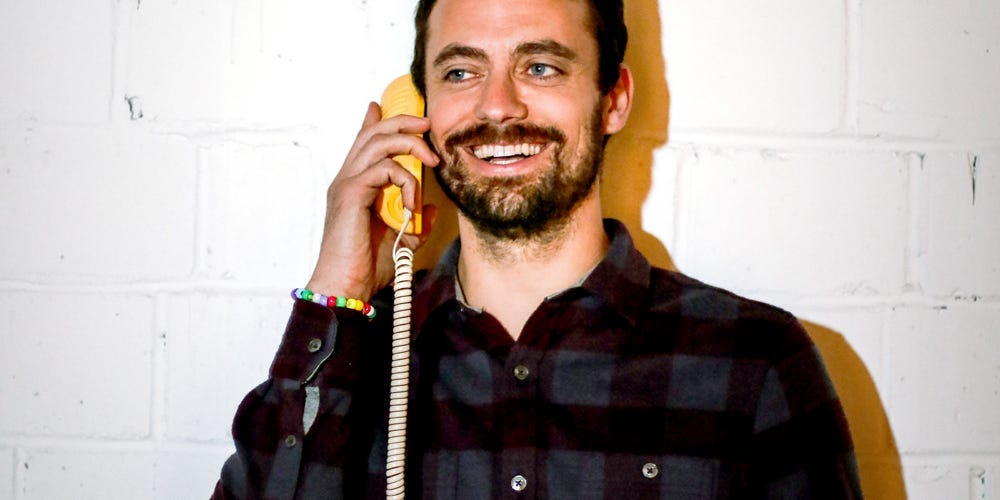
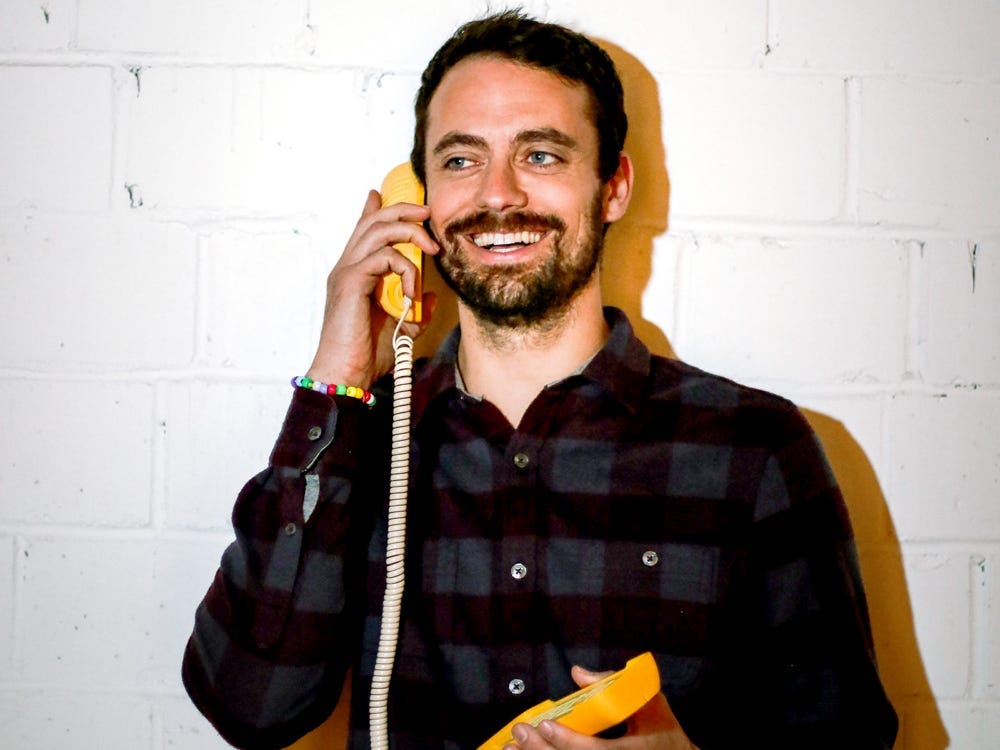
This as-told-to essay is based on a conversation with Chet Kittleson, founder of Tin Can. It has been edited for length and clarity.
About three years ago, I was picking my daughter up from school and started chatting with parents about how arduous it is to run the kids’ social lives. One mom said that she felt like an executive assistant for her daughter. There was a lot of frustration and angst toward the kids, and as a dad of three, I understood it.
But that day, I played devil’s advocate. What else are the kids supposed to do, I asked. My first social network was the landline, but my kids didn’t have that. Most of the parents I knew were delaying cellphones, but that left the kids reliant on us for coordinating meet-ups.
I got to thinking: wouldn’t it be cool if there was a landline my kids — who are now 10, 8, and 5 — could use to organize their own social dates?
The phone led to my daughter walking to school with friends
I had been working at the tech and real estate company Redfin, which I loved because the company environment allowed me to be a rising executive and an active dad. Still, I had this itch to build a company of my own. I left to start another real estate-related company, but ultimately, we didn’t have a product-market fit, and had to call it quits after about two years.
The same week I wrapped up that venture, I brought my co-founders over to talk about making my landline idea a reality. We spent a week at my kitchen table, making prototypes. By the end of the week, we had five phones.
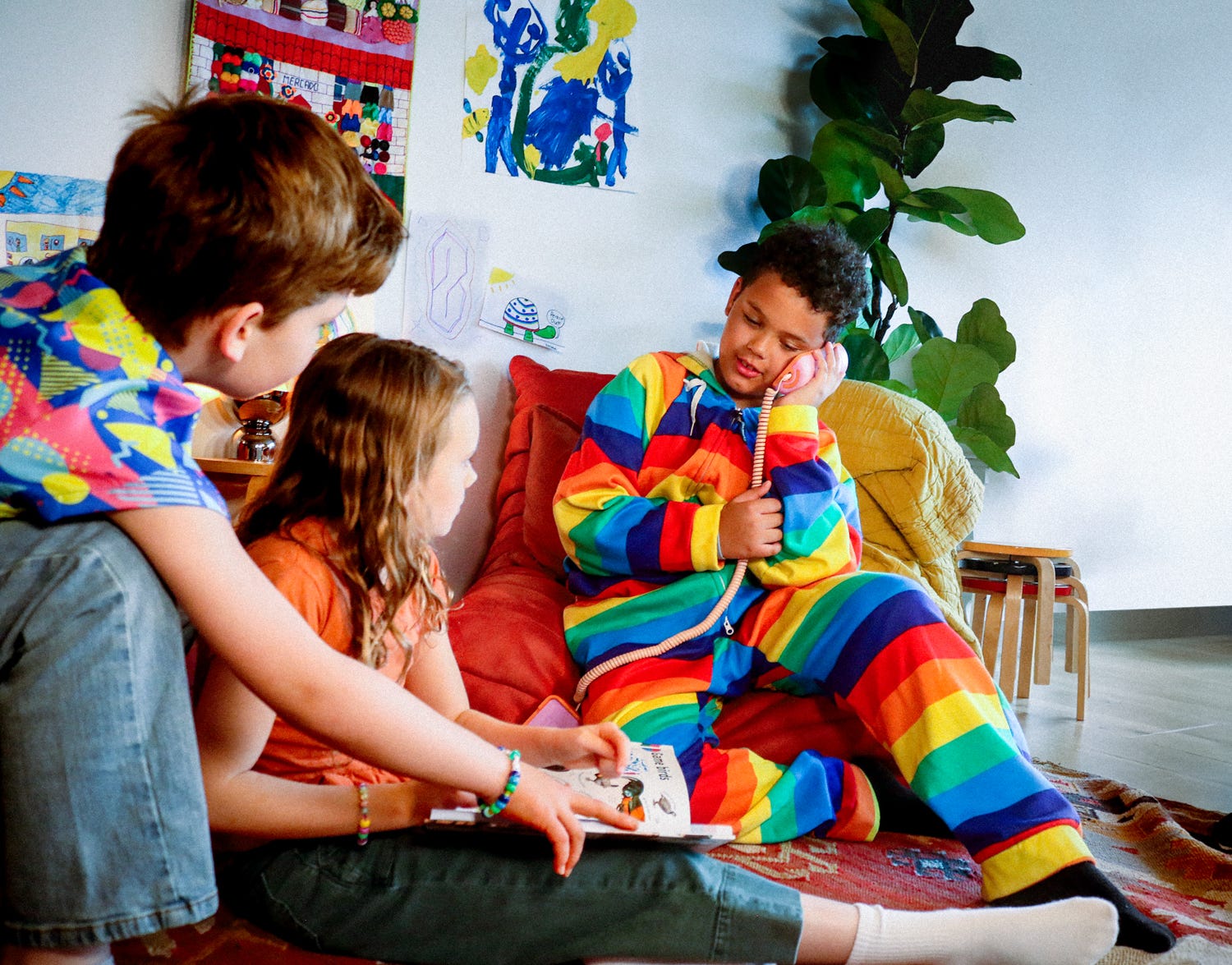
Two of the prototypes went to my daughter’s friends. Right away, we started noticing the kids organizing more playdates and sleepovers. My favorite moment came when the phone rang at about 8:15 in the morning. My daughter’s friend was inviting her to walk to school for the first time.
I want to use tech to build better in-person connections
Right away, I started getting texts from other local parents, asking if they could get a phone. I made about 50 prototypes and installed them myself. I asked customers what they liked about the phone and what they were worried about when it comes to kids and tech, which helped me refine the product.
We officially started selling Tin Cans in April of this year. For parents, the phone is a symbol of a simpler time. For kids who have often never experienced independent communication, it delivers a new superpower they didn’t know they wanted.
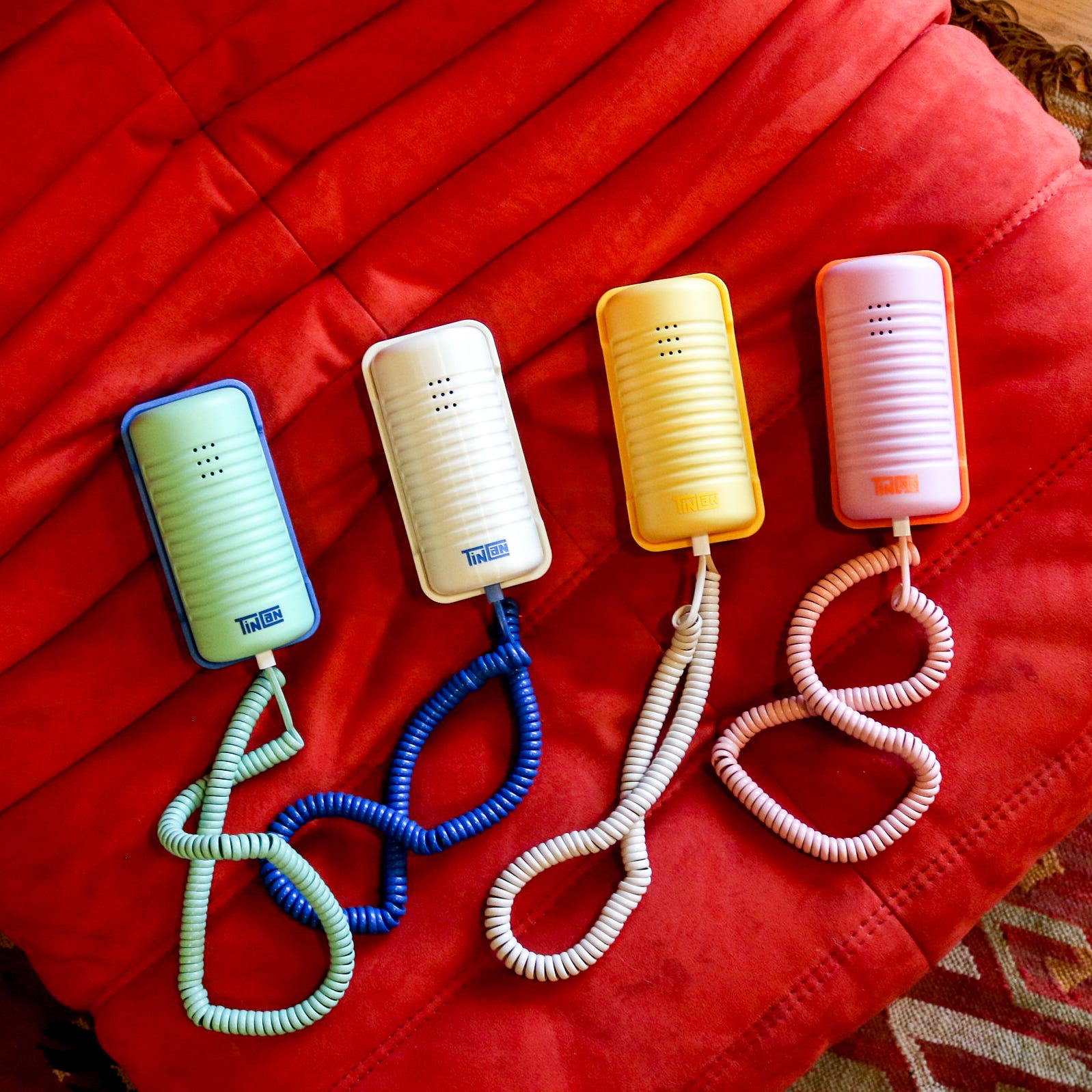
Today, we have Tin Cans in every state and Canada. We’ve raised $3.5 million. I’m excited to build a different type of technology company: one that uses tech to build connections and healthy relationships.
We’re trying to foster independent kids
Personally, that’s extremely meaningful to me because I’ve always struggled with anxiety and had my own challenges with screen addiction. I stopped using social media a few years ago after noticing that it was distracting me from moments with my kids.
Today, my family has two Tin Cans: one in a shared area of the home and another in my oldest’s room. These days, my kids frequently get calls from friends asking them to walk to school. They have more sleepovers or just chat with their grandparents.
There are also more subtle changes. When we pick up takeout, my kids are often the ones to go in and claim the order. That confidence is a symbol of the strong, autonomous children my wife and I are trying to raise.
One mother told us that Tin Can helped her daughter find her voice — literally. The girl started off talking quietly and timidly, but within weeks, was louder. That confidence translates to the real world, and the Tin Can lifestyle we’re hoping to foster.
Read the original article on Business Insider
The post I invented a new type of landline for kids, and my daughter’s friends tested it out. This year, we’ve raised $3.5 million in funding. appeared first on Business Insider.