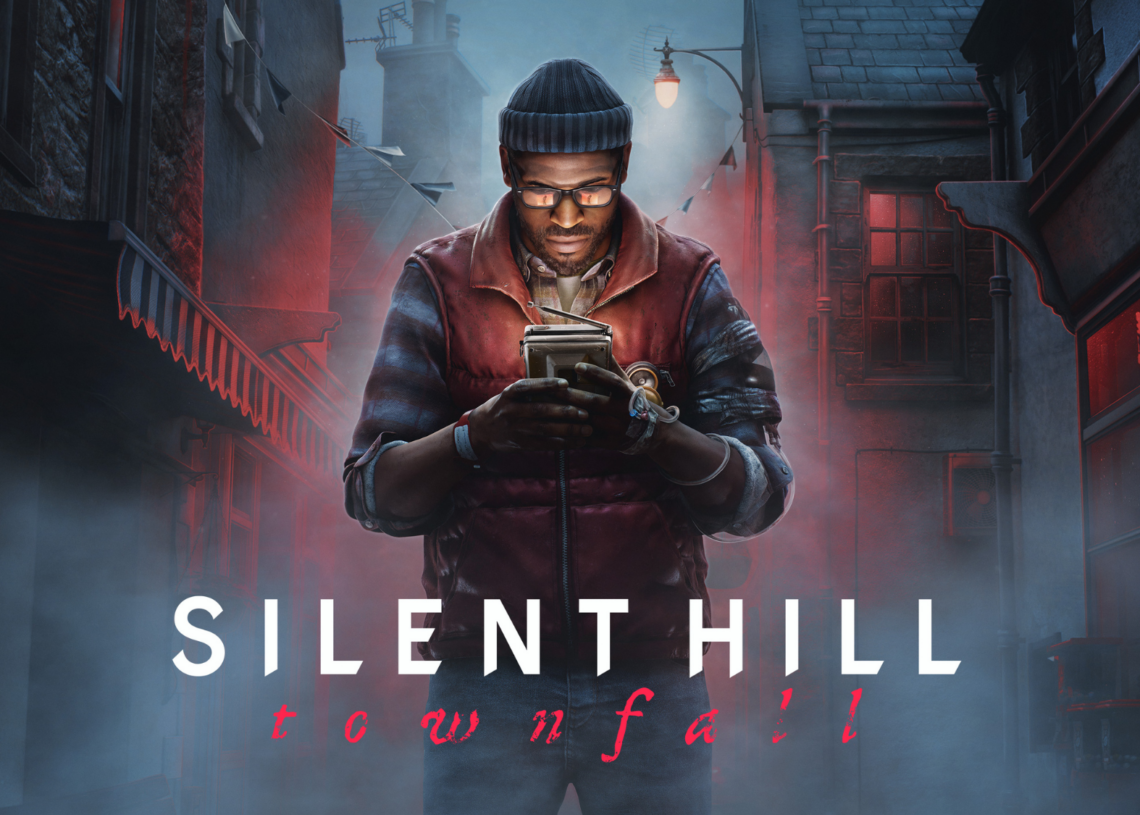
With its two most recent additions – Silent Hill f (2025) and Silent Hill Townfall – featuring POC as their main characters, some fans online are questioning whether the franchise is purposely catering to a “woke” audience. But the franchise has always had progressive issues at its heart.
Silent Hill has never been a simple story
The titular town has been the setting for multiple games, including mainline entries such as Silent Hill 1, its sister game Silent Hill 3, and prequel Silent Hill: Origins, there have been a few entries which take place outside Silent Hill city limits. Both of the recent games, for example, have not only taken place away from the town, but outside of the United States itself – Silent Hill f is set in 1960s Japan, while Townfall takes players to the island community of St. Amelia in Scotland.
So what, then, ties the Silent Hill franchise together if not the town that bears its name? The themes of trauma and guilt are certainly prevalent throughout the games, whether it’s James Sunderland’s suppressed guilt or Shimizu Hinako’s fraught relationship with her family, her friends, and her own self. But there are also the themes unique to each story. Like the town itself, which presents James with his own version of hell that is distinct from Angela’s or Eddie’s respective suffering, the games have always tackled a variety of serious issues.
The first game, for example, along with Silent Hill 3 and Origins, are focused on the cult – known as the Order – which draws on the sacred, supernatural nature of the town to fuel its disturbing rituals. Alessa Gillespie herself, who is a significant character across all three entries, is a symbol of the loss of bodily autonomy. The Order, including her own mother, intend to use Alessa as a vehicle for their god, without pausing to consider how Alessa feels or how she will suffer.
Silent Hill: Downpour focuses on PTSD, with protagonist Murphy being triggered by water, and Silent Hill: Homecoming features a main character whose torment is fueled by parental neglect. Similarly, Silent Hill 4: the Room shows exceptionally disturbing consequences of neglect with antagonist Walter, while also delving into both the forcible loss of privacy, along with deep loneliness. Even PT, the playable trailer released in 2014 as a teaser for a scrapped Silent Hill game, focuses on domestic abuse and its tragic consequences.
These new games are no different, except for how their main characters look
Similar to their predecessors, Silent Hill f and Townfall center around stories that may be difficult to swallow. Hinako faces the horrors of young womanhood in a society which subsumes her rights into those of the men in her life, from her father to her future husband. In Townfall, protagonist Simon faces the crushing weight of blame, alongside corporate greed that causes irrevocable harm to the environment.
So while Hinako and Simon are both people of color, which differentiates them from the majority of the playable main characters in the franchise, their stories are not so different from those that came before. Horror in general is an excellent mirror for society, enabling audiences to face difficult, if not painful, questions, rendered into monsters and mist so that they might be a little easier to fight or maybe even understand.
The post Townfall Is Nothing New, Silent Hill Has Always Been This Way appeared first on VICE.